The evolution of gambling tracing the history and its cultural impact
Ancient Beginnings of Gambling
The history of gambling dates back thousands of years, with evidence found in ancient civilizations like China, Egypt, and Rome. Archaeologists have discovered dice dating to around 3000 BC in Mesopotamia, suggesting that games of chance were an integral part of early human culture. These early forms of gambling often revolved around rituals and fortune-telling, linking them to societal beliefs and practices. Today, many online platforms, such as the Vibebet official site, continue to evolve this age-old practice.

In ancient Rome, gambling was widespread among the population, with public betting on gladiatorial contests and other events. This practice not only entertained the masses but also reflected the values and hierarchies of Roman society. The acceptance and regulation of gambling by the state show its deep-rooted connection to community life and economic activity.
The Evolution Through the Middle Ages
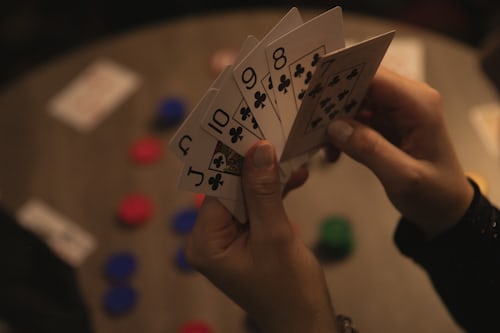
During the Middle Ages, gambling evolved significantly, with the introduction of games like cards. Originating from Asia, card games became popular in Europe by the 14th century. The period also saw the establishment of various gambling laws, as authorities attempted to control and regulate the activity amidst its growing popularity. Such regulations often mirrored the social dynamics of the time, with gambling viewed variably as a vice or a source of economic benefit.
The medieval period also saw the emergence of gambling houses and the first official lotteries, which were introduced to raise funds for public projects. These developments reflected an evolving perception of gambling, transitioning from mere entertainment to a means of social and economic support.
The Rise of Modern Gambling
The 18th and 19th centuries marked a transformative period for gambling, particularly with the rise of casinos in Europe and the establishment of racetracks in America. This era was characterized by the creation of structured games like poker and the development of roulette, which added an element of skill and strategy to the already popular pastime. Casinos began to emerge as social hubs, integrating gambling into broader entertainment experiences.
This period also saw significant advancements in technology, including the introduction of machines like the slot machine, which emerged in the late 19th century. These innovations not only expanded the types of gambling available but also increased accessibility, drawing in more players from diverse backgrounds.
The Cultural Impact of Gambling
Gambling has left an indelible mark on culture, influencing everything from literature and film to social norms and economic practices. The depiction of gambling in popular media often romanticizes the thrill and risk associated with it, shaping public perceptions and attitudes. Films and novels frequently explore themes of chance, fate, and the human condition, highlighting the allure of gambling.
Moreover, the social implications of gambling are profound. It has been a subject of debate regarding morality and ethics, with various cultures responding differently to its practice. While some societies embrace gambling as a form of entertainment and economic activity, others see it as a source of potential harm, leading to ongoing discussions about regulation and responsible gaming.
VibeBet and the Future of Gambling
As gambling continues to evolve, platforms like VibeBet are redefining the online gaming experience. Launched in 2024, VibeBet combines modern technology with a diverse selection of games to cater to the tastes of contemporary players. With an extensive library of over 3,000 options, including slots and live tables, it aims to provide an engaging and entertaining environment.
Prioritizing player safety and satisfaction, VibeBet employs state-of-the-art encryption and offers round-the-clock customer support. By fostering a secure and enjoyable experience, it aligns with the ongoing evolution of gambling, ensuring it remains a vibrant part of cultural and social dynamics in the digital age.