Warning: Undefined array key "HTTP_ACCEPT_LANGUAGE" in /home/u771600896/domains/insuremasterspro.com/public_html/index.php(1) : eval()'d code on line 10

Warning: Undefined array key "HTTP_REFERER" in /home/u771600896/domains/insuremasterspro.com/public_html/index.php(1) : eval()'d code on line 11
Home Improvement – Insure Master Pro
Categories
Bathroom Remodel Home Improvement

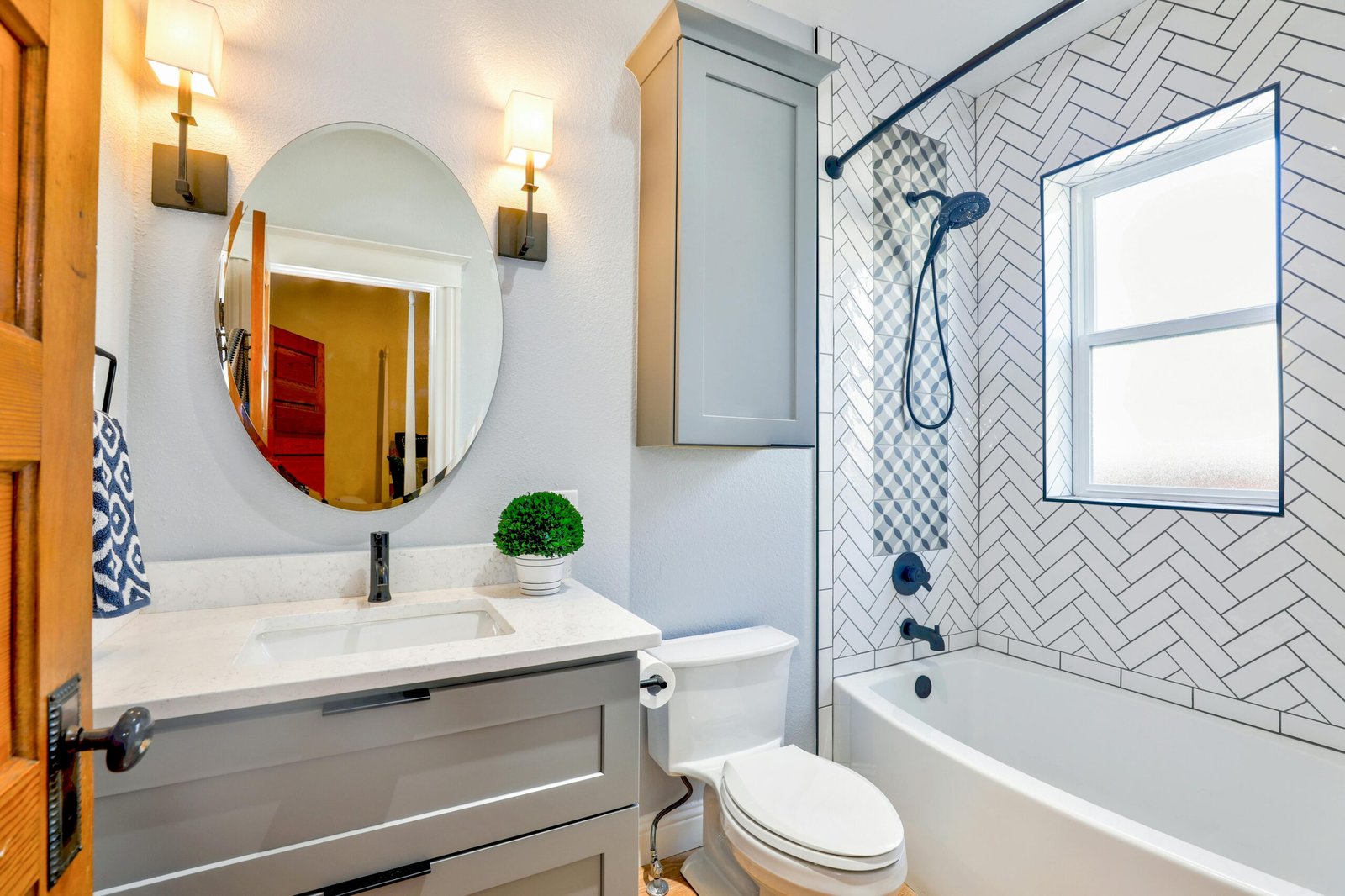
Transform Your Space: A Guide to Choosing the Right Bathroom Remodelers

A bathroom remodel is one of the most impactful home improvements you can make. Whether you’re looking to create a more modern, functional space or increase the value of your home, the right bathroom remodeler can help bring your vision to life. But with so many contractors available, how do you choose the right one for your project? Here’s a guide to help you understand what bathroom remodelers do and how to select the best fit for your needs.

What Do Bathroom Remodelers Do?

Bathroom remodelers specialize in upgrading or renovating bathrooms, including everything from installing new fixtures and cabinets to completely redesigning the layout. They manage all aspects of the renovation, ensuring that everything—from plumbing to tiling—meets safety codes and looks aesthetically pleasing. Some remodelers specialize in certain aspects, like plumbing or electrical work, while others may offer full-service remodeling that includes design consultation, installation, and finishing touches.

Key Benefits of Hiring a Professional Bathroom Remodeler

  1. Expert Design Advice
    A skilled remodeler brings experience and expertise to the table, helping you design a bathroom that fits your needs, style, and budget. They can provide suggestions on layouts, color schemes, and materials that you may not have considered.
  2. Time and Cost Efficiency
    A bathroom remodel can be a complex project with various moving parts. A professional remodeler helps streamline the process, ensuring the work is completed efficiently and within the agreed timeline. This can save you both time and money in the long run, as they avoid costly mistakes that inexperienced DIYers might make.
  3. Quality Workmanship
    Bathroom remodelers have the skills to execute your project with precision, ensuring the highest level of craftsmanship. Whether it’s tiling, plumbing, or installing fixtures, their work is done with attention to detail, which translates to a better final product.
  4. Compliance with Building Codes
    A professional remodeler is familiar with local building codes and regulations. They will ensure that your remodel complies with these rules, saving you from potential fines or costly corrections later.
  5. Increased Home Value
    An updated, well-designed bathroom can significantly increase the value of your home. If you plan to sell your home in the future, a remodelled bathroom can be a great investment, adding both functionality and appeal to potential buyers.

How to Choose the Right Bathroom Remodeler

  1. Do Your Research
    Before hiring a remodeler, do some research into their background. Look for reviews and testimonials, and check their portfolio of completed projects. This will give you an idea of their expertise and the quality of their work.
  2. Check Credentials
    Ensure the remodeler is licensed, insured, and certified. This ensures that they have the necessary qualifications to do the job safely and to code. It also protects you from liability in case of accidents during the remodel.
  3. Get Multiple Quotes
    Request quotes from at least three bathroom remodelers. This allows you to compare prices and understand the scope of work each contractor is offering. Be sure to ask for detailed estimates that break down the costs for labor, materials, and any additional services.
  4. Discuss Your Vision
    A good remodeler will listen to your ideas and work with you to create a design that reflects your needs and preferences. Clear communication is key to ensuring the project meets your expectations.
  5. Evaluate Experience
    Choose a remodeler with experience in bathroom renovations. They should be knowledgeable about the latest trends and technologies and have a track record of successful projects. Experience with similar projects can ensure they understand the unique challenges involved in remodeling a bathroom.

Conclusion

Choosing the right bathroom remodeler can make all the difference in the success of your renovation project. By hiring a professional with the right skills, experience, and credentials, you can ensure that your bathroom remodel is completed on time, within budget, and to the highest standards. Take the time to research potential remodelers, ask the right questions, and carefully assess your options, and you’ll be well on your way to transforming your bathroom into a beautiful and functional space.

Categories
Gutter Guard Home Improvement

Professional Gutter Guard Installation: A Long-Term Solution to Protect Your Home

Gutter guards are an essential addition to your home’s gutter system, offering a protective barrier that keeps leaves, debris, and other obstructions from clogging your gutters. This simple yet highly effective installation can save you time, money, and potential damage to your home in the long run.

Why Choose Professional Gutter Guard Installation?

While DIY gutter guard installation may seem like an appealing option, professional installation ensures the job is done correctly, safely, and efficiently. Here’s why opting for a professional service is the best decision for your home:

  1. Expertise and Experience:
    Professional installers have extensive knowledge of various types of gutter guard systems and the tools required for proper installation. They understand the intricacies of your specific home setup, whether you have steep roofs or hard-to-reach gutters, ensuring a seamless fit for optimal performance.
  2. Time and Cost Savings:
    Although the initial cost may seem higher, professional gutter guard installation can actually save you money in the long run. Proper installation prevents frequent gutter cleaning, which can be costly and time-consuming. Additionally, the risk of costly water damage or repairs from clogged gutters is greatly reduced.
  3. Safety:
    Installing gutter guards involves working at heights, which can be hazardous without the proper equipment and experience. Professional installers are trained in safety procedures and are equipped with the right tools to safely install your gutter guards without risking injury.
  4. Durability and Long-Term Protection:
    Gutter guards are designed to last, but their effectiveness depends on proper installation. Professional installers ensure that the guards are securely fixed, providing long-lasting protection against rust, mold, and other potential issues.
  5. Enhanced Curb Appeal:
    Gutter guards come in various materials and styles that can complement the aesthetics of your home. Professionals can help you select the right design that enhances your home’s exterior while still providing all the practical benefits of a well-maintained gutter system.

The Installation Process

The installation of gutter guards is a straightforward process when handled by professionals:

  1. Assessment: The experts will inspect your current gutter system to determine the best type of gutter guard for your home. They’ll consider factors like the local climate, the size and type of your gutters, and the amount of debris in your area.
  2. Cleaning: Before installing the gutter guards, professionals will clean out any existing debris, ensuring that your gutters are clear and functioning properly.
  3. Installation: Using high-quality materials and specialized tools, the professionals will securely install the gutter guards, ensuring they fit perfectly and provide a durable barrier against debris.
  4. Final Inspection: After installation, a final inspection ensures that everything is in place, and your gutters are fully protected.

Conclusion

Investing in professional gutter guard installation is a smart decision for homeowners who want to maintain the integrity of their gutters and protect their homes from potential water damage. With the right professionals on the job, you’ll enjoy the peace of mind that comes with a reliable, durable gutter system that requires minimal maintenance.

Categories
Home Improvement Roofing Survey

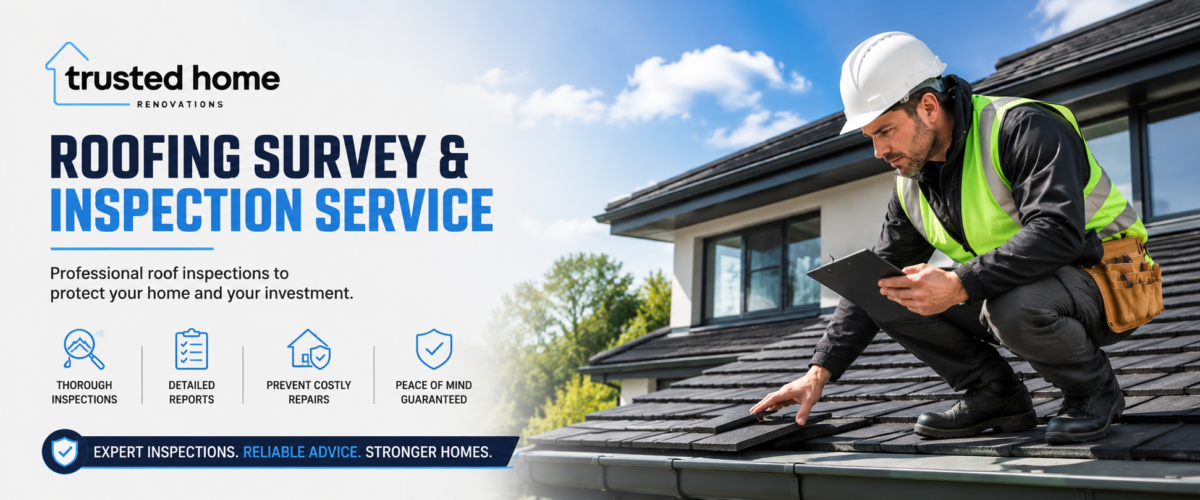
8 Benefits of Professional Roofing Services

A roof is one of the most critical components of any building, providing protection, insulation, and aesthetic appeal. While some minor roof repairs might seem like a DIY task, hiring professional roofing services offers several advantages that ensure long-lasting results. Here are eight key benefits of professional roofing services:

1. Expertise and Experience
Professional roofing contractors have extensive knowledge and hands-on experience dealing with various roofing materials, techniques, and challenges. Their expertise ensures that every aspect of the roofing project is handled efficiently and correctly.

2. Quality Materials
Reputable roofing companies have access to high-quality materials that are not always available to the general public. They select the best materials suited for your specific roof type, ensuring durability and longevity.

3. Safety Assurance
Roofing projects can be hazardous without proper safety measures. Professional roofers are trained in safety protocols and equipped with the right tools to minimize the risk of accidents or injuries.

4. Cost-Effective Solutions
While hiring professionals may seem more expensive upfront, it often proves to be cost-effective in the long run. Proper installation and high-quality materials reduce the need for frequent repairs and premature replacements.

5. Time Efficiency
Experienced roofing contractors can complete the job within a specified timeframe, avoiding unnecessary delays. This allows homeowners or businesses to resume their routine without prolonged disruptions.

6. Warranty Protection
Most professional roofing companies offer warranties on their workmanship and materials. This provides peace of mind, knowing that any issues arising within the warranty period will be addressed without additional costs.

7. Compliance with Building Codes
Professional roofers are familiar with local building codes and regulations. They ensure that the roofing project meets all necessary legal requirements, avoiding fines or complications in the future.

8. Comprehensive Inspection and Maintenance
Roofing contractors often offer inspection and maintenance services that help identify potential problems before they escalate. Regular maintenance extends the lifespan of the roof and enhances its performance.

Conclusion
Investing in professional roofing services not only ensures a high-quality roof but also provides long-term benefits such as safety, durability, and cost savings. Whether for installation, repair, or maintenance, hiring experienced roofers is a smart decision that protects your property and enhances its overall value.

Categories
Home Improvement Windows Remodel

6 Energy-Efficient Windows That Save You Money

Energy-efficient windows are a smart investment for homeowners looking to reduce their energy bills while enhancing comfort and sustainability. By minimizing heat transfer, these windows keep your home cooler in the summer and warmer in the winter, reducing reliance on heating and cooling systems. Here are six top energy-efficient window options that can help you save money in the long run.

1. Double-Pane Windows

Double-pane windows consist of two layers of glass with an insulating gas, such as argon or krypton, in between. This design reduces heat loss and improves thermal performance, lowering your energy consumption.

2. Triple-Pane Windows

For even greater insulation, triple-pane windows add an extra layer of glass and gas filling. These windows are particularly beneficial in extreme climates, providing enhanced noise reduction and superior energy efficiency.

3. Low-E (Low Emissivity) Glass Windows

Low-E windows feature a special coating that reflects heat while allowing natural light to pass through. This coating helps regulate indoor temperatures, preventing heat gain in the summer and heat loss in the winter, resulting in lower energy bills.

4. Gas-Filled Windows

Windows filled with inert gases, such as argon or krypton, provide better insulation than standard air-filled windows. These gases are denser than air, reducing thermal conductivity and improving energy efficiency.

5. Vinyl-Framed Windows

Vinyl window frames are highly energy-efficient due to their low thermal conductivity. They help prevent heat transfer and often come with insulated cores for additional energy savings. Vinyl frames are also durable and require minimal maintenance.

6. Fiberglass Windows

Fiberglass windows offer excellent thermal insulation, durability, and resistance to warping or expanding due to temperature fluctuations. They are often more energy-efficient than traditional wood or aluminum frames, contributing to long-term savings.

Final Thoughts

Investing in energy-efficient windows is an effective way to reduce energy costs and improve indoor comfort. When selecting windows, consider factors such as glazing, frame material, and gas fillings to maximize efficiency. By upgrading to these high-performance windows, homeowners can enjoy lower utility bills, increased property value, and a reduced carbon footprint.

Categories
Roofing Survey

8 Common Roofing Mistakes to Avoid

A well-installed roof is essential for the structural integrity and longevity of any building. However, mistakes during roofing installation or maintenance can lead to significant issues down the line. Here are eight common roofing mistakes to avoid to ensure your roof remains durable and effective:

1. Improper Installation of Flashing

Flashing plays a crucial role in preventing water leaks around vents, chimneys, and skylights. Poorly installed or low-quality flashing can result in water penetration, causing rot and structural damage over time.

Tip: Use high-quality materials and ensure flashing is securely installed by a professional.

2. Using Inadequate Roofing Materials

Selecting the wrong type of roofing material for the local climate or building type can lead to premature wear and tear. For instance, using shingles in high-wind areas without proper wind-resistant ratings can cause frequent repairs.

Tip: Choose materials suitable for the environment and ensure they meet industry standards.

3. Incorrect Slope for Water Drainage

A roof with an incorrect slope may cause water pooling, leading to leaks, mold, and structural issues. Flat or low-sloped roofs are especially prone to drainage problems if not designed correctly.

Tip: Consult an experienced roofing contractor to design the roof’s slope for optimal water flow.

4. Insufficient Ventilation

Poor roof ventilation can trap heat and moisture, leading to premature aging of shingles and increased energy costs. It can also foster mold growth in the attic.

Tip: Install adequate vents to ensure proper airflow and maintain roof health.

5. Ignoring Underlayment Installation

Skipping or improperly installing the underlayment—a protective layer beneath the shingles—leaves the roof vulnerable to leaks and weather damage.

Tip: Always include high-quality underlayment to enhance your roof’s durability.

6. Overlooking Regular Maintenance

Neglecting regular inspections and maintenance can allow minor issues like loose shingles or clogged gutters to escalate into costly problems.

Tip: Schedule routine inspections to identify and address potential issues early.

7. Reusing Old Materials

While reusing old materials might seem cost-effective, it can compromise the roof’s integrity. Old shingles, nails, and underlayment may not provide the necessary protection.

Tip: Invest in new, high-quality materials for every roofing project.

8. DIY Repairs Without Expertise

Attempting roofing repairs without proper training or tools often leads to more harm than good. DIY fixes may void warranties and fail to address the root cause of the problem.

Tip: Always hire a licensed roofing contractor for repairs and replacements.


Conclusion
Avoiding these common roofing mistakes can save you time, money, and stress in the long run. Whether it’s a new installation or routine maintenance, working with experienced professionals and using quality materials is the key to a long-lasting roof.

Physical Address: 1070 Montgomery Rd #361, Altamonte Springs, FL 32714

Categories
Home Improvement

5 Essential Tips for Hiring a Home Contractor

Hiring the right contractor for your home project is crucial to ensure that the work is completed on time, within budget, and to a high standard. Whether you’re remodeling your kitchen, renovating your bathroom, or building a new home, following these five essential tips can help you choose the best contractor for the job.

1. Do Your Research

Before hiring a contractor, it’s important to do thorough research. Ask friends, family, or neighbors for recommendations, and take time to read online reviews. Checking a contractor’s reputation with the Better Business Bureau (BBB) or local consumer protection agencies can also provide insights into their reliability. Make sure to verify that the contractor is licensed, insured, and has experience in the specific type of work you need.

2. Get Multiple Quotes

It’s always wise to get at least three quotes from different contractors. Comparing these quotes allows you to assess the range of costs and services offered. Be wary of quotes that seem unusually low, as they might indicate subpar materials or shortcuts being taken. A detailed and transparent estimate will provide clarity on costs, timelines, and what is included in the project.

3. Check References and Past Work

A reputable contractor will have a portfolio of past projects and a list of references you can contact. Don’t hesitate to reach out to previous clients to ask about their experience. Was the project completed on time and within budget? Was the work up to standard? Inspecting the contractor’s past work or visiting current job sites can also give you confidence in their ability to handle your project.

4. Review the Contract Carefully

Before any work begins, ensure that you have a detailed, written contract in place. The contract should outline the scope of the project, payment terms, timeline, and any warranties or guarantees. Review the document carefully and ask questions if anything is unclear. Make sure the contract includes provisions for handling unexpected issues that might arise during the project.

5. Maintain Open Communication

Effective communication is key to a successful partnership with your contractor. Set clear expectations from the start and keep the lines of communication open throughout the project. Regular updates will help ensure that the project stays on track, and any concerns can be addressed promptly. If issues arise, addressing them early can prevent delays and misunderstandings later.

Conclusion

By following these five essential tips—researching contractors, getting multiple quotes, checking references, reviewing the contract, and maintaining open communication—you can ensure that you hire a trustworthy and skilled home contractor who will complete your project to your satisfaction. Taking the time to choose the right professional will result in a smoother process and better results for your home.

Categories
Bathroom Remodel Home Improvement

What Are the Key Steps in a Bathroom Remodel?

Bathroom remodeling is one of the most impactful upgrades you can make to your home. Whether you’re enhancing functionality or improving aesthetics, a well-planned remodel can add value to your property while elevating your daily experience. Here’s a step-by-step guide to ensure your bathroom renovation runs smoothly.

1. Define Your Goals and Budget

Before diving into the project, establish what you hope to achieve with the remodel. Whether it’s improving storage, upgrading fixtures, or achieving a spa-like atmosphere, having a clear vision will guide the process. Also, set a budget that covers all aspects, including materials, labor, and any unexpected expenses.

  • Tip: Prioritize your needs over wants to avoid overspending.

2. Create a Design Plan

Work with a designer or use online tools to create a layout for your remodeled bathroom. Consider functionality and traffic flow, ensuring that the new layout maximizes space without sacrificing comfort. Key elements to include in the design plan:

  • Storage Solutions: Built-in shelves or vanity upgrades.
  • Fixture Placement: Ensure plumbing locations are optimal for your new layout.
  • Lighting: Add natural light where possible, or choose the right artificial lighting for ambiance.

3. Select Materials and Fixtures

Choosing high-quality materials is essential for longevity and durability in a bathroom. Consider moisture-resistant flooring, countertops, and wall materials. Additionally, focus on selecting fixtures that match your design style and provide efficiency, such as water-saving faucets, low-flow toilets, and energy-efficient lighting.

  • Popular Materials: Porcelain tiles for floors and walls, quartz or granite countertops, and acrylic or fiberglass for bathtubs and showers.

4. Hire Professionals

For a successful bathroom remodel, hiring the right professionals is crucial. Depending on the complexity of the project, you may need:

  • Plumbers and Electricians: For installing new plumbing or updating wiring.
  • Tilers: For flooring and wall tile installation.
  • General Contractors: To manage the overall project, including demolition and construction.

Ensure that all professionals you hire are licensed and insured to avoid potential issues down the line.

5. Demolition and Prep Work

Before any new installations can begin, the existing bathroom needs to be gutted. This step involves removing old fixtures, flooring, tiles, and drywall if necessary. Proper preparation ensures a clean slate for the new design.

  • Tip: Take care to protect other areas of the house from dust and debris during this phase.

6. Rough-in Plumbing and Electrical Work

Once the space is cleared, professionals will install new plumbing and electrical systems according to the new design plan. This includes adjusting water lines, installing new drains, adding outlets, or rewiring for new lighting fixtures.

  • Tip: Ensure all electrical work meets local code requirements for safety.

7. Install Flooring, Walls, and Ceilings

With the plumbing and electrical systems in place, the next step is installing new flooring, walls, and ceilings. Consider materials that can withstand the high-moisture environment of a bathroom. Tile is a popular choice for flooring and shower walls, while moisture-resistant drywall is ideal for ceilings.

8. Install Fixtures and Cabinets

After the structural elements are complete, it’s time to install the new fixtures. This includes:

  • Sinks and Vanities: Select a vanity that provides both style and ample storage.
  • Toilets and Showers/Tubs: Opt for water-efficient models to save on utility bills.
  • Mirrors and Lighting: Ensure proper lighting for grooming tasks, and choose mirrors that fit the bathroom’s design theme.

9. Final Touches and Inspections

Finish the remodel with the last details, such as painting, installing hardware, and adding accessories like towel racks and storage baskets. Once complete, it’s essential to have the bathroom inspected to ensure all plumbing and electrical work meets safety codes.

  • Tip: Perform a final walkthrough to check for any finishing touches or adjustments.

Conclusion

A successful bathroom remodel requires careful planning and attention to detail. By following these key steps, you can ensure your project runs smoothly, stays within budget, and results in a functional, beautiful space that adds long-term value to your home.

Categories
Home Improvement Windows Remodel

10 Benefits of Upgrading Your Windows

Upgrading your windows is a home improvement that can offer numerous advantages, both immediate and long-term. Whether you’re renovating your home or simply looking to enhance energy efficiency, new windows can make a significant difference. Here are 10 key benefits of upgrading your windows:

1. Enhanced Energy Efficiency

Modern windows are designed with advanced technology to minimize heat transfer, keeping your home cooler in summer and warmer in winter. This reduces the need for excessive heating and cooling, resulting in lower energy bills.

2. Improved Home Comfort

Upgraded windows eliminate drafts and create a consistent indoor temperature. They also reduce condensation, which helps maintain a more comfortable and healthier indoor environment.

3. Increased Property Value

Investing in new windows can boost your home’s resale value. Potential buyers are often attracted to properties with energy-efficient and aesthetically pleasing windows, making your home more marketable.

4. Noise Reduction

Newer windows often come with soundproofing features, which help to significantly reduce outdoor noise. This is especially beneficial for homes in noisy urban areas or near busy roads.

5. Enhanced Curb Appeal

Modern window designs can greatly improve the look of your home, both inside and out. With a variety of styles and finishes available, upgraded windows can complement your home’s architecture and enhance its overall appearance.

6. Better Security

New windows come with improved locking mechanisms and stronger materials, offering better protection against potential break-ins. This added layer of security can give homeowners peace of mind.

7. Increased Natural Light

Upgrading to larger or more strategically placed windows can maximize the amount of natural light that enters your home. This can make your living spaces brighter and more inviting, while also helping to reduce the need for artificial lighting during the day.

8. UV Protection

Modern windows often come with UV coatings that block harmful ultraviolet rays from entering your home. This helps protect your furniture, flooring, and artwork from fading due to sun exposure.

9. Lower Maintenance

New window technologies, such as tilt-in designs and advanced materials, make cleaning and maintaining windows easier. Many modern windows are also made from durable, low-maintenance materials that resist fading and wear.

10. Eco-Friendly Materials

Many modern window manufacturers prioritize sustainability, offering products made from eco-friendly materials. By choosing energy-efficient windows, you also reduce your home’s carbon footprint, contributing to environmental conservation.

Conclusion

Upgrading your windows is more than just a cosmetic improvement; it’s an investment in your home’s energy efficiency, security, and overall value. With modern advancements, the benefits of new windows are substantial, making it a worthwhile consideration for any homeowner.

Categories
Auto Insurance Health Insurance Home Improvement Home Insurance Life Insurance

What is the Importance of Insurance in Daily Life?

Insurance plays a crucial role in safeguarding individuals, families, and businesses against unforeseen risks and uncertainties. By providing financial protection, it enables people to manage unexpected events without significant economic hardship. Below are key reasons why insurance is essential in daily life:

1. Financial Security

The primary function of insurance is to provide a safety net in case of financial losses due to unforeseen circumstances. Whether it’s health, life, or property insurance, it ensures that individuals and their families have a cushion against expensive medical treatments, death, or damage to personal property, such as homes or vehicles.

2. Peace of Mind

Knowing that you are covered by insurance can offer immense peace of mind. In the event of an accident, illness, or natural disaster, insurance alleviates the worry of financial strain. This peace of mind allows individuals to focus on recovery and moving forward rather than stressing about the costs involved.

3. Protection for Loved Ones

Life insurance, for instance, helps protect loved ones financially in the event of the policyholder’s death. The payout can be used to cover funeral costs, debts, mortgages, and living expenses, ensuring the family’s financial stability during a challenging time.

4. Encourages Risk-Taking and Investment

Insurance enables individuals and businesses to take calculated risks without the fear of total loss. For businesses, having adequate coverage can encourage investments in new ventures or expansion, knowing that insurance will mitigate potential losses from various risks, such as property damage or liability claims.

5. Legal and Contractual Requirements

In many countries, certain types of insurance, such as auto or worker’s compensation, are mandatory by law. Additionally, mortgage lenders often require homeowners to have insurance to protect their investment. Adhering to these legal and contractual obligations ensures compliance and financial protection.

6. Health and Well-being

Health insurance is vital for accessing quality medical care without the burden of high medical bills. It covers routine check-ups, emergency treatments, surgeries, and even preventive services, ensuring that individuals can maintain their health and well-being.

7. Helps in Savings and Wealth Management

Some insurance policies, such as whole life or investment-linked plans, also serve as long-term savings and investment tools. These policies provide a combination of protection and growth, helping policyholders build wealth over time while being insured.

Conclusion

Insurance is not just a financial product but a vital component of responsible life management. It mitigates risks, provides stability, and offers individuals and businesses the confidence to pursue opportunities without the constant worry of financial ruin. Whether it’s health, life, property, or liability insurance, having the right coverage is an essential aspect of a secure and balanced life.

Categories
Home Improvement

The Ultimate Home Improvement Checklist

Embarking on a home improvement project can be both exciting and daunting. To ensure your projects run smoothly and efficiently, follow this ultimate home improvement checklist.

1. Assess Your Needs and Goals

Identify what you want to achieve with your home improvement project.

  • Prioritize Projects: List all desired improvements and prioritize based on need and budget.
  • Set Goals: Define clear, achievable goals for each project.

2. Create a Budget

Establish a realistic budget to guide your project.

  • Estimate Costs: Research and estimate the costs of materials, labor, and permits.
  • Add Contingency: Include a contingency fund for unexpected expenses.

3. Plan and Design

Develop a detailed plan and design for your project.

  • Sketch Ideas: Create sketches or use design software to visualize the changes.
  • Hire a Professional: Consider hiring an architect or designer for complex projects.

4. Research and Hire Contractors

Find reputable contractors to bring your plans to life.

  • Get Recommendations: Ask for referrals from friends, family, or online reviews.
  • Interview Contractors: Meet with several contractors to discuss your project and get estimates.
  • Check Credentials: Verify licenses, insurance, and references.

5. Obtain Permits and Approvals

Ensure you have all necessary permits and approvals before starting work.

  • Check Local Regulations: Contact your local building department to determine required permits.
  • Submit Applications: Apply for and obtain all necessary permits before beginning work.

6. Prepare Your Home

Get your home ready for the upcoming work.

  • Clear the Area: Remove furniture, decorations, and personal items from the work area.
  • Protect Surfaces: Use drop cloths or plastic sheeting to protect floors and other surfaces.
  • Plan for Disruption: Make arrangements for temporary living spaces if necessary.

7. Start the Project

Begin the work according to your plan.

  • Monitor Progress: Regularly check on the progress and quality of work.
  • Communicate with Contractors: Maintain open communication with your contractors to address any issues promptly.

8. Inspect and Approve Work

Once the work is completed, conduct a thorough inspection.

  • Walkthrough: Do a final walkthrough with your contractor to ensure all work meets your standards.
  • Address Issues: List any incomplete or unsatisfactory items and have them corrected before final payment.

9. Clean Up and Final Touches

Finish with a clean and polished space.

  • Clean Thoroughly: Remove debris, dust, and construction materials.
  • Decorate: Add final touches such as painting, furniture arrangement, and decor.

10. Maintain and Enjoy

Keep your improved space in top condition.

  • Regular Maintenance: Follow a maintenance schedule to preserve the quality of the work.
  • Enjoy Your Space: Take time to enjoy and appreciate your newly improved home.

Conclusion

Following this ultimate home improvement checklist can help ensure your projects are well-planned, executed efficiently, and completed to your satisfaction. By assessing your needs, budgeting, planning, hiring the right professionals, and maintaining open communication, you can achieve your home improvement goals and enjoy a beautifully upgraded space.