Categories
Blog

Eco-Friendly Energy Solutions: The Rise of Solar Panels

Eco-Friendly Energy Solutions: The Rise of Solar Panels

In recent years, the global focus on sustainable living and reducing carbon footprints has driven the popularity of eco-friendly energy solutions. Among these, solar panels have emerged as a leading technology. Solar energy is not only renewable but also increasingly accessible and cost-effective, making it an attractive option for both residential and commercial use. This article explores the rise of solar panels and their impact on the energy landscape.

The Growth of Solar Energy

Solar energy harnesses the power of the sun to generate electricity. It is a clean, renewable resource that offers numerous benefits over traditional fossil fuels, including reduced greenhouse gas emissions and a lower environmental impact. The adoption of solar panels has surged globally, driven by technological advancements, policy incentives, and a growing awareness of environmental issues.

Technological Advancements

  1. Increased Efficiency: Modern solar panels have seen significant improvements in efficiency, allowing them to convert more sunlight into electricity. The average efficiency of solar panels has increased from around 15% to over 20%, with some cutting-edge models exceeding 22%.
  2. Cost Reduction: The cost of solar panel production has dropped dramatically over the past decade. According to the International Renewable Energy Agency (IRENA), the cost of solar photovoltaic (PV) modules has fallen by more than 80% since 2010. This reduction has made solar power more affordable for a wider range of consumers.
  3. Energy Storage: Advances in battery technology have enhanced the viability of solar energy. Efficient energy storage systems allow users to store excess energy generated during the day for use during nighttime or cloudy periods, improving the reliability and consistency of solar power.

Policy and Incentives

Governments worldwide have implemented various policies and incentives to promote the adoption of solar energy:

  1. Tax Credits and Rebates: Many countries offer tax credits, rebates, and other financial incentives to offset the initial costs of installing solar panels. For instance, the Investment Tax Credit (ITC) in the United States provides a significant tax deduction for residential and commercial solar panel installations.
  2. Net Metering: Net metering programs allow solar panel users to sell excess electricity back to the grid. This not only reduces electricity bills but also provides an additional revenue stream, making solar power an economically attractive option.
  3. Renewable Energy Targets: National and regional governments have set ambitious renewable energy targets to reduce reliance on fossil fuels. These targets often include specific goals for solar energy capacity, driving investment and development in the sector.

Environmental and Economic Impact

  1. Reduced Carbon Footprint: Solar panels produce electricity without emitting greenhouse gases, significantly reducing the carbon footprint of energy consumption. The widespread adoption of solar energy can help mitigate climate change and promote cleaner air and water.
  2. Job Creation: The solar energy sector has become a major source of employment. According to the International Energy Agency (IEA), the solar PV industry employed over 3.8 million people worldwide in 2020, a number that continues to grow as the industry expands.
  3. Energy Independence: Solar energy allows individuals and businesses to generate their own electricity, reducing dependence on external energy sources and enhancing energy security.

Challenges and Future Outlook

Despite its many benefits, solar energy faces challenges that need to be addressed:

  1. Intermittency: Solar power generation is dependent on sunlight, making it intermittent and less predictable compared to traditional energy sources. Enhancements in energy storage and grid management are essential to overcome this challenge.
  2. Initial Costs: While costs have decreased, the initial investment for solar panel installation can still be a barrier for some consumers. Continued policy support and innovative financing solutions are crucial to making solar energy accessible to all.
  3. Land Use: Large-scale solar farms require significant land area, which can compete with other land uses. Balancing land use and optimizing space-efficient solar solutions, such as rooftop installations, are key considerations.

Conclusion

The rise of solar panels as an eco-friendly energy solution marks a significant shift in the global energy landscape. Technological advancements, supportive policies, and increasing environmental awareness are driving the growth of solar energy. While challenges remain, the future outlook for solar power is bright. With continued innovation and investment, solar energy has the potential to play a pivotal role in achieving a sustainable and clean energy future.

Categories
Understanding Debt

8 Ways to Reduce Your Debt Burden

Managing debt is a critical aspect of financial health. Whether it’s student loans, credit card balances, or mortgages, high debt levels can be stressful. Here are eight effective strategies to help reduce your debt burden and improve your financial stability:

1. Create a Budget

A well-planned budget is the cornerstone of debt reduction. Start by tracking your income and expenses to understand where your money is going. Allocate funds for debt repayment and identify areas where you can cut back on spending. A disciplined budget helps you avoid unnecessary expenses and focus on paying down your debt.

2. Prioritize High-Interest Debt

Tackle debts with the highest interest rates first, such as credit cards. Paying off high-interest debt faster reduces the overall amount of interest you pay, freeing up more money to address other debts. This approach, known as the avalanche method, can save you a significant amount in interest payments over time.

3. Consolidate Your Debts

Debt consolidation involves combining multiple debts into a single loan with a lower interest rate. This can simplify your repayment process and potentially reduce the total interest paid. Options include personal loans, balance transfer credit cards, and home equity loans. Ensure that the consolidation loan offers better terms than your existing debts.

4. Negotiate with Creditors

Don’t hesitate to reach out to your creditors to negotiate better terms. They may be willing to lower your interest rates, waive fees, or extend your repayment period. Many creditors prefer to work with you directly rather than risk default. Be honest about your financial situation and explore possible options.

5. Increase Your Income

Boosting your income can accelerate debt repayment. Consider taking on a part-time job, freelancing, or monetizing a hobby. Use the additional income exclusively for debt payments to speed up the process. Even small increases in income can make a big difference over time.

6. Utilize Windfalls Wisely

Unexpected financial gains, such as tax refunds, bonuses, or gifts, should be used to pay down debt rather than splurged. Applying windfalls directly to your debt can significantly reduce the principal amount owed and shorten the repayment period.

7. Seek Professional Advice

If you’re struggling to manage your debt, consider consulting a financial advisor or a credit counseling service. These professionals can provide personalized advice, help you create a debt repayment plan, and negotiate with creditors on your behalf. They can also educate you on better financial practices to avoid future debt issues.

8. Stay Committed and Patient

Reducing debt is a long-term commitment that requires patience and perseverance. Stay motivated by tracking your progress and celebrating small milestones along the way. Remember that every payment brings you one step closer to financial freedom.


Reducing your debt burden is a gradual process that requires dedication and strategic planning. By implementing these eight strategies, you can regain control of your finances and work towards a debt-free future.

Categories
Solar Program

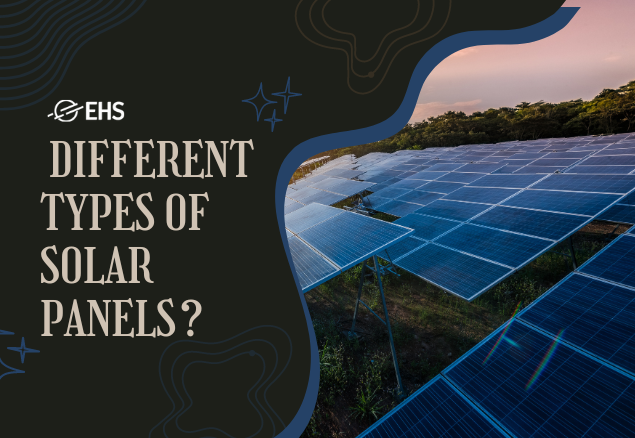
What are the Different Types of Solar Panels?

Solar energy is a popular and effective renewable energy source, and various types of solar panels are available to meet different energy needs and applications. Here, we’ll delve into the main types of solar panels, their advantages, disadvantages, and typical uses.

1. Monocrystalline Solar Panels

Description:

Monocrystalline solar panels are made from single-crystal silicon, giving them a uniform appearance. The silicon is grown into a single crystal, which is then sliced into wafers to form the cells.

Advantages:

  • High Efficiency: Typically, they offer efficiencies between 15-20%.
  • Space-Efficient: Higher efficiency means they require less space to produce the same amount of power.
  • Long Lifespan: Often come with a 25-year warranty.

Disadvantages:

  • Cost: They are more expensive to manufacture than other types.
  • Performance in Shaded Conditions: Performance drops significantly if any part of the panel is shaded.

Uses:

  • Ideal for residential rooftops and small spaces due to their high efficiency.

2. Polycrystalline Solar Panels

Description:

Polycrystalline, or multicrystalline, panels are made from silicon crystals that are melted together. These panels have a speckled blue appearance.

Advantages:

  • Lower Cost: Generally less expensive to produce than monocrystalline panels.
  • Good Efficiency: Typically, they offer efficiencies between 13-16%.

Disadvantages:

  • Lower Efficiency: They are less efficient than monocrystalline panels.
  • More Space Required: Need more space to produce the same amount of power.

Uses:

  • Suitable for larger installations where space is less of a constraint, such as commercial buildings or solar farms.

3. Thin-Film Solar Panels

Description:

Thin-film panels are made by depositing one or more layers of photovoltaic material onto a substrate. The most common types include amorphous silicon (a-Si), cadmium telluride (CdTe), and copper indium gallium selenide (CIGS).

Advantages:

  • Flexibility: Can be made flexible, allowing for more versatile applications.
  • Low-Light Performance: Perform better in low-light conditions and high temperatures.
  • Aesthetics: Can be made semi-transparent and come in various colors, making them suitable for building-integrated photovoltaics (BIPV).

Disadvantages:

  • Lower Efficiency: Generally have lower efficiencies, around 10-12%.
  • Shorter Lifespan: Tend to degrade faster than crystalline silicon panels.

Uses:

  • Ideal for large-scale installations, BIPV, and applications where flexibility is a key requirement.

4. Bifacial Solar Panels

Description:

Bifacial solar panels can capture sunlight from both sides. They are typically made from monocrystalline or polycrystalline silicon and are designed to take advantage of reflected light.

Advantages:

  • Increased Energy Yield: Can produce more electricity compared to traditional panels by capturing sunlight from both sides.
  • Durability: Often have a more robust design.

Disadvantages:

  • Higher Cost: More expensive than traditional single-sided panels.
  • Installation Complexity: Require specific installation setups to maximize reflected light capture.

Uses:

  • Suitable for ground-mounted installations, solar farms, and locations with high reflectivity surfaces such as snow-covered or sandy areas.

5. Concentrated PV Cell (CPV)

Description:

CPV systems use lenses or mirrors to concentrate sunlight onto a small but highly efficient solar cell.

Advantages:

  • High Efficiency: Can achieve efficiencies above 40% under ideal conditions.
  • Space-Efficient: High efficiency reduces the space needed for installation.

Disadvantages:

  • Cost: Very expensive compared to other types of solar panels.
  • Complexity: Requires precise alignment and tracking systems to focus sunlight accurately.

Uses:

  • Suitable for solar power plants in areas with high direct sunlight and minimal cloud cover.

Conclusion

Choosing the right type of solar panel depends on several factors, including budget, space availability, efficiency requirements, and specific application needs. Monocrystalline panels are best for high-efficiency residential installations, polycrystalline panels offer a cost-effective solution for larger spaces, thin-film panels provide versatility, bifacial panels maximize energy yield with innovative designs, and CPV systems are suited for specialized, high-efficiency projects. Each type has its unique advantages and is suited to different applications, ensuring that solar energy can be harnessed effectively in various scenarios.

Categories
Solar Program

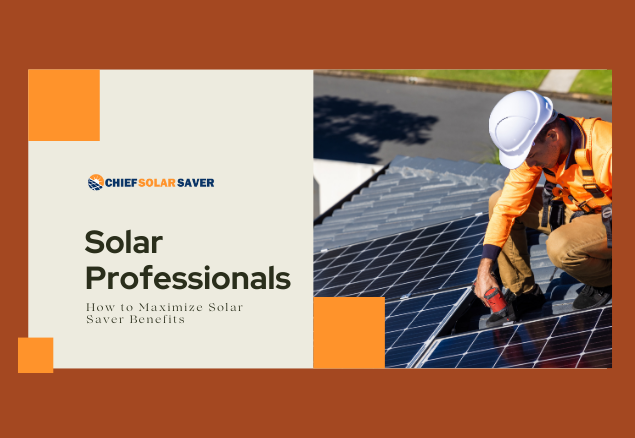
How to Maximize Solar Saver Benefits

Solar energy is an increasingly popular choice for homeowners and businesses looking to reduce energy costs and their environmental footprint. To fully capitalize on the benefits of solar power, strategic planning and informed decision-making are essential. Here’s a guide on how to maximize solar saver benefits.

1. Assess Your Energy Needs

  • Conduct an Energy Audit: Evaluate your current energy consumption to determine the size and capacity of the solar system you need.
  • Peak Energy Usage: Identify the times when your energy usage is highest to plan for adequate solar energy production during these periods.

2. Choose the Right Solar System

  • System Size: Ensure that the system size matches your energy needs. Oversizing can lead to unnecessary costs, while undersizing can limit savings.
  • Quality of Panels: Invest in high-efficiency solar panels that have a longer lifespan and better performance.
  • Inverters: Choose quality inverters as they convert the solar energy into usable electricity and play a crucial role in system efficiency.

3. Optimize System Placement

  • Orientation and Tilt: Install panels in a location with maximum sun exposure. The optimal tilt and orientation vary based on geographic location.
  • Avoid Shading: Ensure that trees, buildings, or other structures do not shade the panels throughout the day.

4. Utilize Incentives and Rebates

  • Government Incentives: Take advantage of federal, state, and local incentives, such as tax credits, rebates, and grants, to reduce the initial cost.
  • Net Metering: Use net metering programs that allow you to sell excess energy back to the grid, providing additional savings.

5. Implement Energy Storage Solutions

  • Battery Storage: Invest in battery storage systems to store excess energy generated during the day for use at night or during cloudy periods.
  • Energy Management Systems: Use smart energy management systems to optimize the use of stored energy and reduce reliance on the grid.

6. Regular Maintenance and Monitoring

  • Routine Inspections: Perform regular maintenance and cleaning of solar panels to ensure they operate at peak efficiency.
  • Monitoring Systems: Install monitoring systems to track the performance and identify any issues early on.

7. Energy Efficiency Measures

  • Reduce Consumption: Implement energy-efficient practices and appliances to lower overall consumption, maximizing the impact of your solar system.
  • Smart Devices: Use smart thermostats, LED lighting, and energy-efficient appliances to further reduce energy usage.

8. Financial Planning

  • Financing Options: Explore various financing options such as loans, leases, and power purchase agreements (PPAs) to make solar more affordable.
  • Cost-Benefit Analysis: Conduct a thorough cost-benefit analysis to understand the payback period and long-term savings.

9. Stay Informed

  • Industry Trends: Stay updated on new technologies and industry trends that can enhance the efficiency and benefits of your solar system.
  • Policy Changes: Keep an eye on policy changes that may affect solar incentives and regulations.

Conclusion

Maximizing the benefits of solar energy involves careful planning, strategic investment, and ongoing maintenance. By assessing your energy needs, choosing the right system, optimizing placement, and taking advantage of incentives, you can significantly reduce your energy costs and contribute to a more sustainable future.

Implementing these strategies will ensure that you get the most out of your solar investment, making it a financially and environmentally sound decision.

Categories
Solar Program

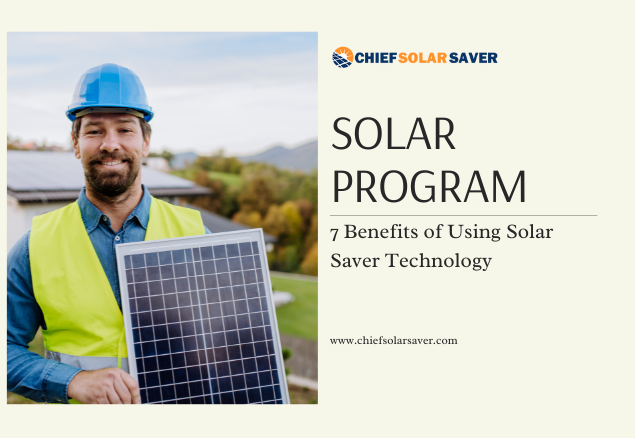
7 Benefits of Using Solar Saver Technology

As the world pivots towards sustainable energy solutions, solar power has emerged as a front-runner. Among the various technologies in this domain, Solar Saver Technology stands out for its efficiency, affordability, and eco-friendliness. This article delves into the seven key benefits of adopting Solar Saver Technology for both residential and commercial applications.

1. Cost Savings

One of the most compelling reasons to switch to Solar Saver Technology is the significant reduction in electricity bills. By harnessing solar energy, users can generate their own power, decreasing their reliance on grid electricity. Over time, this translates to substantial cost savings, making it a smart financial investment.

2. Environmental Impact

Solar Saver Technology contributes to a cleaner, greener planet. By using renewable energy from the sun, it reduces the dependency on fossil fuels, which are major contributors to air pollution and greenhouse gas emissions. This shift not only helps mitigate climate change but also promotes environmental sustainability.

3. Energy Independence

With Solar Saver Technology, individuals and businesses can achieve greater energy independence. By generating their own electricity, they are less susceptible to energy price fluctuations and supply disruptions. This independence ensures a more stable and predictable energy future.

4. Low Maintenance Costs

Solar Saver Technology systems are known for their durability and low maintenance requirements. Most systems come with long-term warranties and require minimal upkeep, mainly periodic cleaning and inspections. This low maintenance cost adds to the overall affordability and convenience of solar energy.

5. Increased Property Value

Investing in Solar Saver Technology can increase the value of a property. Homes and commercial buildings equipped with solar panels are seen as modern and environmentally conscious, appealing to potential buyers and tenants. This increase in property value can provide a significant return on investment.

6. Job Creation and Economic Growth

The adoption of Solar Saver Technology fosters job creation and supports economic growth. The solar industry creates jobs in manufacturing, installation, maintenance, and research and development. These job opportunities contribute to the local economy and promote sustainable development.

7. Technological Advancements and Innovation

Solar Saver Technology is at the forefront of technological innovation. Continuous advancements in solar technology lead to more efficient and cost-effective solutions. By embracing these innovations, users can benefit from improved performance and new features that enhance the overall value of solar energy systems.

Conclusion

Solar Saver Technology offers a multitude of benefits that make it an attractive option for anyone looking to embrace renewable energy. From cost savings and environmental impact to increased property value and job creation, the advantages are clear. By investing in Solar Saver Technology, users can enjoy a sustainable, efficient, and forward-thinking energy solution.

Categories
Home Warranty

6 Common Home Warranty Myths Debunked

Home warranties can provide peace of mind for homeowners by covering the cost of repairs and replacements for major home systems and appliances. However, misconceptions about home warranties often lead to confusion and missed opportunities. Here, we debunk six common home warranty myths.

Myth 1: Home Warranties Cover Everything

Debunked: While home warranties cover many significant home systems and appliances, they do not cover everything. Typical warranties include coverage for HVAC systems, electrical systems, plumbing, and major appliances like refrigerators and ovens. However, structural issues, pre-existing conditions, and items not listed in the contract are generally excluded.

Myth 2: Home Warranties are Only for New Homes

Debunked: Home warranties are beneficial for both new and older homes. For older homes, warranties can be particularly valuable as systems and appliances are more likely to fail due to age. New home buyers also benefit from warranties that cover potential defects in workmanship and materials.

Myth 3: Home Warranties Replace Homeowners Insurance

Debunked: Home warranties and homeowners insurance serve different purposes. Homeowners insurance covers damage from events like fires, storms, and theft, whereas home warranties cover repair and replacement costs for home systems and appliances due to normal wear and tear. Both are essential for comprehensive home protection.

Myth 4: All Repairs are Fully Covered

Debunked: While home warranties cover many repairs, they often come with limitations and exclusions. Homeowners may have to pay service call fees, and some repairs may only be partially covered. It’s essential to read the warranty contract carefully to understand the extent of coverage and any potential out-of-pocket costs.

Myth 5: You Can’t Choose Your Service Provider

Debunked: Many home warranty companies have a network of pre-approved service providers, but some allow homeowners to choose their own licensed contractor. Always check with the warranty provider to understand their policy on service provider selection.

Myth 6: Home Warranties are Not Worth the Cost

Debunked: The value of a home warranty depends on individual circumstances. For homeowners with aging systems and appliances, a warranty can save thousands in repair and replacement costs. Additionally, warranties can provide peace of mind, making them a worthwhile investment for many.

Conclusion

Understanding what home warranties cover and the limitations involved can help homeowners make informed decisions. By debunking these common myths, homeowners can better appreciate the value that home warranties offer and avoid unnecessary surprises.

Categories
Solar Program

How Can I Get Involved in a Solar Program?

The global shift towards renewable energy sources has made solar power one of the most accessible and beneficial options for both individuals and businesses. Here’s how you can get involved in a solar program:

1. Educate Yourself on Solar Energy

  • Research: Start by understanding the basics of solar energy, including how solar panels work, the different types of solar technologies (e.g., photovoltaic, solar thermal), and the benefits of solar energy.
  • Courses and Certifications: Consider taking courses or certifications in solar energy. Many institutions offer online courses covering various aspects of solar technology and installation.

2. Assess Your Needs and Opportunities

  • Personal Use: Determine if solar energy is suitable for your home or business. Conduct a solar assessment to evaluate your energy needs, roof condition, and the amount of sunlight your location receives.
  • Community Involvement: Look into community solar programs where multiple participants share the benefits of a single solar array. This is ideal if installing solar panels on your property is not feasible.

3. Explore Available Solar Programs

  • Government Incentives: Investigate federal, state, and local government incentives for solar energy. Programs like the Investment Tax Credit (ITC) in the U.S. can significantly reduce the cost of installation.
  • Utility Programs: Check with your local utility company for any solar programs they offer. Some utilities provide rebates, net metering, or solar leasing options.
  • Non-Profit Organizations: Many non-profits promote solar energy adoption and may offer programs to help you get started, such as Solarize campaigns that provide bulk purchasing discounts.

4. Choose the Right Solar Provider

  • Compare Providers: Research and compare different solar providers in your area. Look for companies with good reputations, positive customer reviews, and comprehensive warranties.
  • Get Multiple Quotes: Obtain quotes from several providers to understand the costs and services offered. This will help you make an informed decision and ensure you get the best deal.

5. Financing Your Solar Installation

  • Cash Purchase: If you have the capital, purchasing a solar system outright can provide the best long-term savings.
  • Loans: Consider solar loans that allow you to spread the cost over several years.
  • Leasing and PPAs: Solar leases and power purchase agreements (PPAs) enable you to install solar with little to no upfront cost. You pay a monthly fee or a set rate for the electricity generated.

6. Installation and Maintenance

  • Professional Installation: Hire a certified solar installer to ensure the system is installed correctly and safely. Verify that the installer is accredited by organizations such as the North American Board of Certified Energy Practitioners (NABCEP).
  • Regular Maintenance: While solar panels require minimal maintenance, it’s essential to keep them clean and inspect them periodically to ensure they operate efficiently.

7. Get Involved in Solar Advocacy

  • Join Solar Advocacy Groups: Participate in groups and organizations that advocate for solar energy and renewable energy policies.
  • Promote Solar in Your Community: Educate others about the benefits of solar energy and encourage local businesses and community leaders to support solar initiatives.

8. Stay Informed and Engaged

  • Stay Updated: Keep up with the latest developments in solar technology and policy changes that may affect solar energy adoption.
  • Network: Connect with other solar enthusiasts and professionals through events, conferences, and online forums.

By following these steps, you can effectively get involved in a solar program and contribute to the transition to renewable energy. Whether for personal use, community involvement, or professional advocacy, your participation can make a significant impact on the environment and energy sustainability.

Categories
Solar Program

6 Key Responsibilities of Solar Professionals

Solar professionals play a crucial role in the renewable energy sector, ensuring the efficient and sustainable deployment of solar energy systems. Here are six key responsibilities they typically handle:

  1. Site Assessment and Feasibility Studies
    • Conduct thorough site assessments to determine the suitability of locations for solar installations.
    • Evaluate various factors such as sun exposure, shading, structural integrity, and local weather conditions.
    • Perform feasibility studies to assess potential energy generation, economic viability, and return on investment.
  2. System Design and Engineering
    • Develop detailed designs for solar power systems, including photovoltaic (PV) arrays, mounting structures, inverters, and electrical components.
    • Ensure compliance with industry standards, local regulations, and safety codes.
    • Utilize specialized software and tools for system modeling, simulation, and optimization.
  3. Installation and Commissioning
    • Oversee the installation of solar energy systems, ensuring proper placement and alignment of panels and equipment.
    • Coordinate with electricians, contractors, and other stakeholders to ensure seamless integration with existing infrastructure.
    • Perform commissioning tests to verify system performance, efficiency, and safety before turning it over to the client.
  4. Maintenance and Troubleshooting
    • Conduct regular maintenance to ensure optimal performance and longevity of solar energy systems.
    • Monitor system performance using remote monitoring tools and on-site inspections.
    • Diagnose and resolve technical issues, including electrical faults, component failures, and performance discrepancies.
  5. Regulatory Compliance and Documentation
    • Ensure all installations meet local, state, and federal regulations, including building codes, electrical codes, and environmental standards.
    • Prepare and maintain detailed documentation, including site plans, engineering drawings, permits, and inspection reports.
    • Keep abreast of changes in regulations and standards to ensure ongoing compliance.
  6. Customer Education and Support
    • Educate customers on the benefits, operation, and maintenance of their solar energy systems.
    • Provide technical support and answer customer inquiries regarding system performance and troubleshooting.
    • Assist clients in understanding financial incentives, such as tax credits, rebates, and net metering programs.

These responsibilities ensure that solar professionals contribute effectively to the growth and sustainability of the renewable energy sector, promoting the adoption of clean energy solutions.

Categories
Home Insurance

Top 5 Benefits of Having Full Home Security

Implementing a comprehensive home security system offers a range of advantages that significantly improve safety, peace of mind, and the overall quality of life for homeowners. Here’s an in-depth look at the top five benefits:

  1. Enhanced Protection Against Intruders: Full home security systems provide a robust defense against potential intruders. Features like alarms, motion sensors, and security cameras act as deterrents and can alert homeowners and authorities to any unauthorized access, minimizing the risk of burglary or property damage.
  2. 24/7 Monitoring and Alerts: Modern home security systems offer round-the-clock monitoring services. These systems are connected to monitoring centers that can quickly respond to alarms and alerts. Whether it’s a break-in, fire, or medical emergency, prompt notification ensures that appropriate action can be taken swiftly, potentially saving lives and property.
  3. Remote Access and Control: Many full home security systems come with remote access capabilities via mobile apps or online platforms. Homeowners can monitor their property in real-time, arm or disarm the system, and receive alerts directly on their smartphones or devices. This feature provides unparalleled convenience and peace of mind, especially when away from home.
  4. Fire and Environmental Monitoring: Beyond intrusion detection, comprehensive home security systems often include sensors for smoke, fire, carbon monoxide, and other environmental hazards. Early detection of these dangers can trigger immediate alerts to homeowners and emergency services, allowing for faster response times and minimizing damage or injury.
  5. Insurance Premium Discounts: Installing a full home security system can lead to substantial savings on homeowners insurance premiums. Insurance companies recognize the reduced risk of theft and property damage associated with monitored security systems. As a result, they frequently offer discounts to policyholders who invest in these protective measures, making the system a smart financial investment over time.

In conclusion, investing in a full home security system not only enhances the safety and protection of your property but also provides invaluable peace of mind. With advanced features like 24/7 monitoring, remote access, and environmental sensors, homeowners can rest assured knowing their homes and loved ones are safeguarded against various threats. Moreover, the potential savings on insurance premiums make it a practical choice for long-term financial security.

Categories
Life Insurance

Top 5 Reasons Why You Need Life Insurance

Life insurance is a vital financial product that provides protection and peace of mind to individuals and their families. Despite its importance, many people remain unsure about whether they need life insurance or the benefits it can offer. Here, we outline the top five reasons why you should consider purchasing life insurance.

1. Financial Security for Your Loved Ones

The primary purpose of life insurance is to provide financial security to your dependents in the event of your untimely death. The death benefit from a life insurance policy can replace lost income, ensuring that your family can maintain their standard of living, pay for daily expenses, and avoid financial hardship. This is especially important if you are the primary breadwinner or have significant financial responsibilities.

2. Covering Outstanding Debts and Obligations

Life insurance can help cover outstanding debts and financial obligations that you leave behind. This includes:

  • Mortgage payments: Ensuring your family can continue to live in their home without the burden of mortgage payments.
  • Credit card debt and personal loans: Preventing your loved ones from being saddled with your outstanding debts.
  • Funeral and burial costs: Easing the financial strain of funeral expenses, which can be substantial.

3. Providing for Your Children’s Future

Life insurance can play a critical role in securing your children’s future by providing funds for their education and other long-term needs. The death benefit can help pay for college tuition, extracurricular activities, and other costs associated with raising children. This ensures that your children can pursue their dreams and opportunities even if you are no longer there to support them financially.

4. Supplementing Retirement Savings

Certain types of life insurance, such as whole life or universal life insurance, come with a cash value component that can grow over time. This cash value can be borrowed against or withdrawn, providing an additional source of funds during retirement. Life insurance can thus serve as a supplement to your retirement savings, offering financial flexibility in your later years.

5. Peace of Mind

Having life insurance provides peace of mind, knowing that your loved ones will be taken care of financially in your absence. This peace of mind allows you to focus on enjoying your life and spending quality time with your family, free from worries about their financial future. It is an investment in your family’s security and well-being.

Conclusion

In conclusion, life insurance is a crucial component of a comprehensive financial plan. It ensures that your loved ones are protected, your debts and obligations are covered, and your children’s future is secure. Additionally, it can supplement your retirement savings and provide peace of mind. Considering these benefits, it is wise to evaluate your life insurance needs and choose a policy that best fits your situation.