Categories
Personal Finance

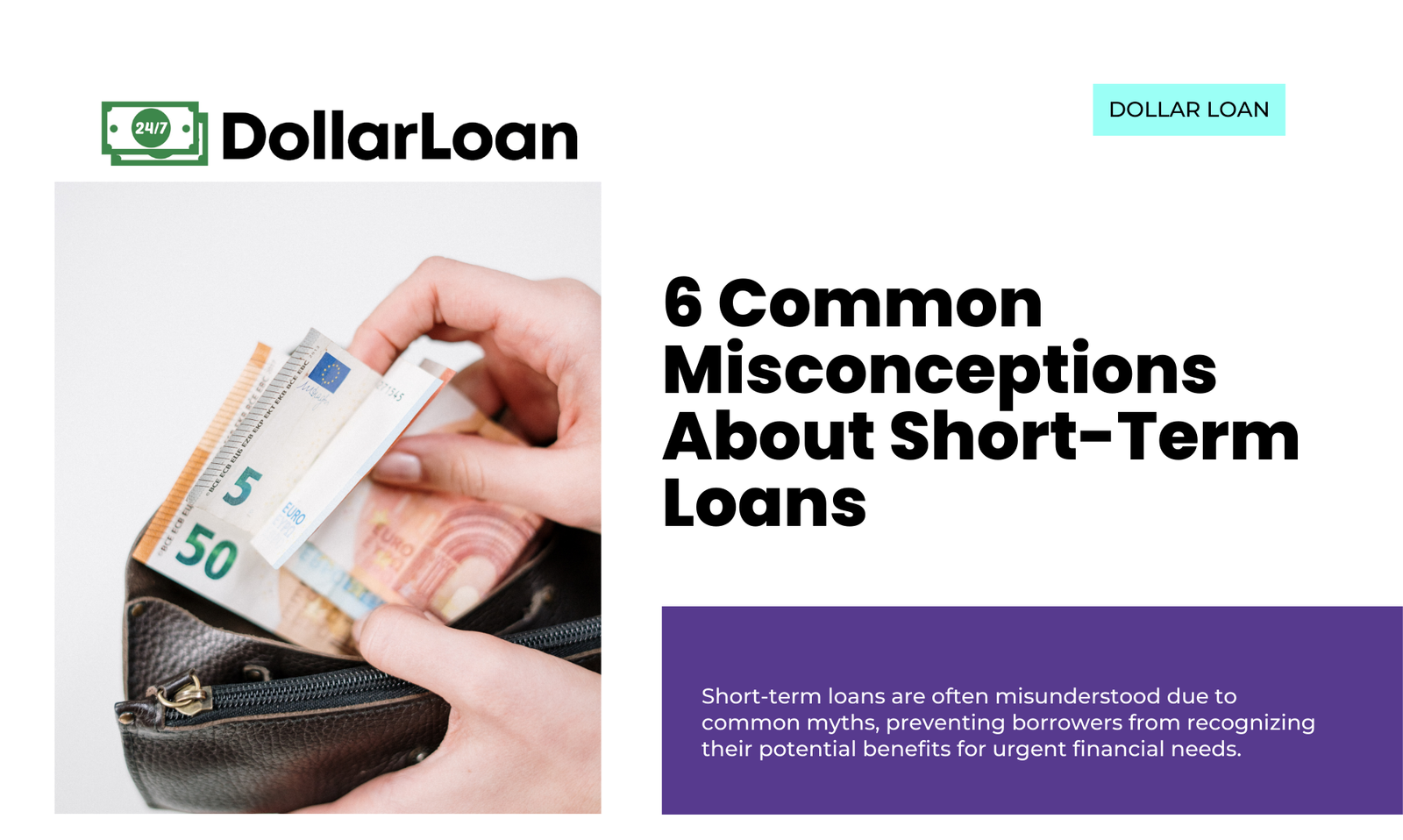
6 Common Misconceptions About Short-Term Loans

Short-term loans are often misunderstood, leading many borrowers to overlook their potential benefits. These loans, typically used for urgent financial needs, are surrounded by myths that can deter individuals and businesses from considering them as a viable option. Let’s debunk six common misconceptions about short-term loans.

1. Short-Term Loans Are Only for Desperate Borrowers

Many believe that short-term loans are a last resort for those in financial distress. In reality, these loans are commonly used by individuals and businesses for managing cash flow, covering unexpected expenses, or seizing timely opportunities. They can be a strategic financial tool when used wisely.

2. Interest Rates Are Always Exorbitant

While it’s true that short-term loans may have higher interest rates compared to long-term loans, they are not always exorbitant. Rates vary depending on the lender, the borrower’s creditworthiness, and the loan terms. Shopping around and understanding the terms can lead to finding competitive rates.

3. Short-Term Loans Harm Your Credit Score

Taking out a short-term loan doesn’t automatically damage your credit score. In fact, timely repayments can improve your credit history. Problems only arise when borrowers miss payments or default on the loan.

4. Only Those with Perfect Credit Can Qualify

Another common myth is that you need flawless credit to secure a short-term loan. Many lenders offer short-term loans to individuals and businesses with less-than-perfect credit. Lenders often consider income, cash flow, and other factors alongside credit scores.

5. Repayment Terms Are Unmanageable

Short-term loans are designed to be repaid quickly, but that doesn’t mean the terms are unmanageable. Lenders often offer flexible repayment options tailored to the borrower’s income cycle, making it easier to meet the obligations without strain.

6. They’re Only for Personal Use

While many individuals use short-term loans for personal expenses, they are equally popular among small businesses. Entrepreneurs often use them for inventory purchases, payroll management, or bridging gaps between receivables and expenses.

Conclusion Short-term loans, when used responsibly, can be a valuable financial resource rather than a burden. Understanding the facts behind these common misconceptions empowers borrowers to make informed decisions and leverage short-term financing effectively.


Categories
Auto Insurance

The Most Expensive Mistakes Drivers Make with Auto Insurance

Auto insurance is a necessity, but many drivers unknowingly make costly mistakes that lead to higher premiums, inadequate coverage, or even denied claims. Avoiding these common pitfalls can save you significant money and ensure you have the protection you need. Here are the most expensive mistakes drivers make with auto insurance:

1. Failing to Shop Around for the Best Rates

Many drivers stick with the same insurance provider for years without comparing rates. Insurers frequently update their pricing models, and a better deal may be available elsewhere. Comparing quotes from multiple providers annually can help you secure the best coverage at the most competitive price.

2. Carrying Only the Minimum Required Coverage

Opting for the lowest legally required coverage might save money upfront but can be costly in the long run. If you’re involved in a serious accident, insufficient coverage can leave you financially responsible for damages that exceed your policy limits. Comprehensive and collision coverage may provide greater financial protection.

3. Not Understanding Deductibles

Choosing a low deductible results in higher monthly premiums, while a high deductible reduces premiums but increases out-of-pocket expenses in case of a claim. Drivers should carefully assess their financial situation and risk tolerance to select an appropriate deductible.

4. Failing to Report Life Changes

Certain life events, such as moving to a different area, getting married, or changing jobs, can impact your insurance rates. Not updating your insurer with accurate information may lead to higher premiums or even denied claims.

5. Overlooking Discounts

Many insurers offer discounts for safe driving, bundling policies, installing anti-theft devices, or even maintaining a good credit score. Failing to ask about available discounts means missing out on potential savings.

6. Letting Coverage Lapse

Allowing your policy to expire, even for a short period, can result in increased rates when reinstating coverage. Lapses in coverage make insurers view you as a higher-risk driver, leading to higher premiums.

7. Not Updating Coverage After Buying a New Car

When purchasing a new vehicle, some drivers forget to update their insurance policy. This can leave them without coverage, potentially resulting in denied claims or financial loss if an accident occurs.

8. Ignoring the Impact of Traffic Violations

Speeding tickets, DUIs, and other traffic violations significantly impact insurance rates. Safe driving not only protects you and others on the road but also helps maintain lower insurance costs.

9. Failing to Consider Gap Insurance

If you finance or lease a vehicle, gap insurance can be crucial. Standard insurance policies only cover a car’s current market value, which may be less than the outstanding loan amount. Without gap insurance, you may have to pay the difference out of pocket.

10. Not Reviewing Your Policy Regularly

Insurance needs change over time, yet many drivers neglect to review their policies. Regularly assessing your coverage ensures it aligns with your current needs and prevents unnecessary costs.

By avoiding these costly mistakes, drivers can ensure they have the right coverage at the best possible rate, ultimately saving money and protecting themselves from financial hardship in case of an accident. Always stay informed, compare options, and maintain an open line of communication with your insurer to optimize your auto insurance policy.

Categories
Home Improvement Windows Remodel

6 Energy-Efficient Windows That Save You Money

Energy-efficient windows are a smart investment for homeowners looking to reduce their energy bills while enhancing comfort and sustainability. By minimizing heat transfer, these windows keep your home cooler in the summer and warmer in the winter, reducing reliance on heating and cooling systems. Here are six top energy-efficient window options that can help you save money in the long run.

1. Double-Pane Windows

Double-pane windows consist of two layers of glass with an insulating gas, such as argon or krypton, in between. This design reduces heat loss and improves thermal performance, lowering your energy consumption.

2. Triple-Pane Windows

For even greater insulation, triple-pane windows add an extra layer of glass and gas filling. These windows are particularly beneficial in extreme climates, providing enhanced noise reduction and superior energy efficiency.

3. Low-E (Low Emissivity) Glass Windows

Low-E windows feature a special coating that reflects heat while allowing natural light to pass through. This coating helps regulate indoor temperatures, preventing heat gain in the summer and heat loss in the winter, resulting in lower energy bills.

4. Gas-Filled Windows

Windows filled with inert gases, such as argon or krypton, provide better insulation than standard air-filled windows. These gases are denser than air, reducing thermal conductivity and improving energy efficiency.

5. Vinyl-Framed Windows

Vinyl window frames are highly energy-efficient due to their low thermal conductivity. They help prevent heat transfer and often come with insulated cores for additional energy savings. Vinyl frames are also durable and require minimal maintenance.

6. Fiberglass Windows

Fiberglass windows offer excellent thermal insulation, durability, and resistance to warping or expanding due to temperature fluctuations. They are often more energy-efficient than traditional wood or aluminum frames, contributing to long-term savings.

Final Thoughts

Investing in energy-efficient windows is an effective way to reduce energy costs and improve indoor comfort. When selecting windows, consider factors such as glazing, frame material, and gas fillings to maximize efficiency. By upgrading to these high-performance windows, homeowners can enjoy lower utility bills, increased property value, and a reduced carbon footprint.

Categories
Personal Finance

10 Things to Know About Online Personal Loans

Introduction Online personal loans have become a popular financial solution for individuals seeking quick access to funds without the hassle of traditional banking processes. While convenient, these loans come with important factors to consider. Here are ten key things to know before applying for an online personal loan.

1. Convenience and Accessibility Online personal loans provide a seamless application process, allowing borrowers to apply from the comfort of their homes. Many lenders offer quick approvals and disburse funds within a few business days.

2. Interest Rates Vary by Lender Interest rates depend on factors such as credit score, loan amount, and lender policies. It’s important to compare rates from multiple lenders to secure the best deal.

3. Credit Score Impact Your credit score plays a significant role in determining loan approval and interest rates. A higher credit score increases the likelihood of approval and better loan terms, while a lower score may result in higher interest rates.

4. Loan Terms and Repayment Periods Differ Online personal loans come with varying repayment terms, typically ranging from a few months to several years. Borrowers should choose a term that balances manageable monthly payments with the total cost of the loan.

5. Hidden Fees and Charges Some online lenders charge origination fees, prepayment penalties, or late payment fees. Always read the loan agreement carefully to understand all associated costs before committing.

6. Security and Credibility of Lenders Not all online lenders are reputable. Verify a lender’s credibility by checking reviews, accreditation, and regulatory compliance before providing personal and financial information.

7. Loan Approval is Not Guaranteed While online loans often have streamlined processes, approval is not guaranteed. Factors such as income stability, existing debt, and creditworthiness play crucial roles in the lender’s decision.

8. Impact on Credit Score Applying for multiple loans within a short period can negatively impact your credit score. Prequalifying with a soft credit check before submitting a formal application can help avoid unnecessary credit score drops.

9. Repayment Discipline is Essential Timely repayments help build credit and avoid late fees or penalties. Setting up automatic payments or reminders ensures you stay on track with your loan obligations.

10. Alternative Lending Options Before applying for an online personal loan, consider alternative financing options such as credit unions, traditional banks, or peer-to-peer lending platforms that may offer better rates or terms.

Conclusion Online personal loans can be a valuable financial tool when used responsibly. By understanding the terms, comparing lenders, and ensuring repayment capability, borrowers can make informed decisions and avoid unnecessary financial strain.

Categories
Personal Finance

5 Factors to Consider When Calculating Cash Needs

Effective cash flow management is crucial for any business, ensuring sufficient funds are available for daily operations, expansion, and unforeseen expenses. When determining cash needs, several critical factors must be considered. Here are five key elements to evaluate:

1. Operating Expenses
A business’s daily operational costs, including rent, utilities, salaries, and inventory, significantly impact cash needs. Ensuring that these expenses are consistently covered without financial strain is essential for sustainability.

2. Seasonal Variations
Many businesses experience fluctuations in revenue based on seasonal demand. Companies should anticipate peak and off-peak periods, adjusting cash reserves accordingly to avoid shortfalls during slow seasons.

3. Growth and Expansion Plans
If a business is planning to expand, launch new products, or enter new markets, additional funds will be required. Accurately forecasting the necessary investment and aligning it with available cash flow is crucial for smooth execution.

4. Emergency Fund Requirements
Unpredictable events such as economic downturns, equipment failures, or supply chain disruptions can strain cash flow. Maintaining a reserve for emergencies helps ensure business continuity without needing high-interest loans.

5. Accounts Receivable and Payable Management
Efficiently managing receivables and payables affects cash availability. Delays in collecting payments from customers can create cash shortages, while timely payment of obligations strengthens business relationships and creditworthiness.

Conclusion
By carefully evaluating these factors, businesses can better anticipate cash requirements, optimize financial planning, and sustain long-term growth. A well-structured cash flow strategy ensures stability and minimizes financial risks, making it a cornerstone of successful business management.

Categories
Personal Finance

How to Secure a Cash Loan Today

Securing a cash loan can be a quick and effective solution when facing unexpected financial challenges. Whether you need funds for an emergency, debt consolidation, or other urgent expenses, understanding the process can help you obtain a loan efficiently and responsibly. Here’s a step-by-step guide to securing a cash loan today.

1. Determine Your Loan Needs

Before applying for a loan, assess your financial situation and determine how much money you need. Consider factors such as:

  • The purpose of the loan
  • Your ability to repay
  • The urgency of the funds

2. Explore Different Loan Options

Several types of cash loans are available, each with varying terms and conditions:

  • Personal Loans: Offered by banks, credit unions, and online lenders with fixed repayment terms.
  • Payday Loans: Short-term, high-interest loans typically due on your next payday.
  • Title Loans: Require vehicle ownership as collateral.
  • Credit Card Cash Advances: Allow you to withdraw cash using your credit card but may have high fees.

3. Check Your Credit Score

Your credit score plays a crucial role in determining loan approval and interest rates. Lenders use it to assess your creditworthiness. If your score is low, consider improving it before applying or looking for lenders that offer loans to individuals with poor credit.

4. Compare Lenders and Loan Terms

Not all loans are the same, so it’s essential to compare options before committing. Consider factors such as:

  • Interest rates and fees
  • Repayment terms and schedules
  • Eligibility requirements
  • Customer reviews and lender reputation

5. Prepare Necessary Documentation

Lenders typically require the following documents for loan approval:

  • Proof of identity (government-issued ID or passport)
  • Proof of income (pay stubs, bank statements, or tax returns)
  • Employment verification
  • Credit history (if applicable)

6. Apply for the Loan

Once you have chosen a lender, complete the application process. Many lenders offer online applications for quick approval. Ensure you provide accurate and complete information to avoid delays.

7. Review the Loan Agreement Carefully

Before signing, read the loan terms and conditions thoroughly. Pay attention to:

  • Interest rates and APR
  • Repayment schedule
  • Penalties for late payments or prepayments
  • Hidden fees or additional charges

8. Receive Funds and Manage Repayment

If approved, funds are typically deposited into your bank account within 24 hours. To avoid financial strain, set up automatic payments or reminders to ensure timely repayments.

9. Consider Alternative Options

If you’re struggling to secure a loan, consider alternative solutions such as:

  • Borrowing from friends or family
  • Employer paycheck advances
  • Negotiating payment plans with creditors

Final Thoughts

Securing a cash loan today is possible with the right approach. By understanding your financial needs, comparing lenders, and reviewing loan terms carefully, you can obtain the necessary funds while maintaining financial stability. Always borrow responsibly and explore all available options before making a final decision.

Categories
Health Insurance

Finding Affordable Health Insurance Options: A Comprehensive Guide

Health insurance is an essential investment in your well-being, but finding an affordable plan that meets your needs can be challenging. With rising healthcare costs, it is crucial to explore different options to secure quality coverage without breaking the bank. This guide provides insights into various affordable health insurance options, helping you make an informed decision.

1. Understand Your Insurance Needs

Before choosing a health insurance plan, evaluate your healthcare requirements. Consider factors such as age, existing medical conditions, anticipated medical expenses, and whether you need coverage for dependents.

2. Explore Government-Sponsored Programs

Many countries offer government-funded health insurance programs to provide affordable coverage:

  • Medicaid (U.S.): Designed for low-income individuals and families.
  • Medicare (U.S.): Available for seniors aged 65 and older, as well as certain disabled individuals.
  • Affordable Care Act (ACA) Plans (U.S.): Provides marketplace options with subsidies based on income.
  • National Health Service (NHS) (UK): Provides free healthcare services.

3. Employer-Sponsored Health Insurance

If you are employed, check if your company offers health insurance. Many employers provide group health plans at a lower cost than individual policies. These plans often include coverage for medical visits, prescriptions, and preventive care.

4. Compare Private Health Insurance Plans

Private insurers offer various plans with different levels of coverage. When comparing options:

  • Check the monthly premiums, deductibles, and out-of-pocket costs.
  • Review coverage for doctor visits, hospitalization, prescription drugs, and preventive care.
  • Consider Health Maintenance Organization (HMO) vs. Preferred Provider Organization (PPO) plans based on your preferred healthcare providers.

5. Look for Short-Term Health Insurance

Short-term health insurance can be a cost-effective solution if you need temporary coverage. These plans offer lower premiums but may not cover pre-existing conditions or comprehensive healthcare needs.

6. Consider Health Savings Accounts (HSA) or Flexible Spending Accounts (FSA)

If you have a high-deductible health plan (HDHP), an HSA allows you to save money tax-free for medical expenses. FSAs, offered through employers, also provide tax benefits for healthcare costs.

7. Check for Discounts and Subsidies

Many insurance providers offer discounts based on income level, lifestyle choices (such as non-smoking), and preventive care participation. Government subsidies may also reduce premium costs if you qualify.

8. Join Professional or Community Groups

Certain associations, unions, or community organizations offer group health insurance plans at reduced rates. Research industry-specific or local group plans that might provide affordable options.

9. Leverage Telemedicine and Preventive Care

Many insurers provide telemedicine services, allowing virtual doctor consultations at lower costs. Using preventive care services, such as vaccinations and screenings, can reduce long-term healthcare expenses.

10. Consult an Insurance Broker or Marketplace

An insurance broker or online health insurance marketplace can help you compare plans and find the best affordable option for your needs. These professionals have expertise in navigating policies and ensuring you receive maximum benefits within your budget.

Final Thoughts

Finding affordable health insurance requires careful research and comparison of available options. By evaluating your healthcare needs, exploring government programs, leveraging employer benefits, and comparing private insurance plans, you can secure quality coverage at an affordable cost. Take advantage of subsidies, discounts, and community group plans to maximize savings while ensuring comprehensive protection for yourself and your family.