Warning: Undefined array key "HTTP_ACCEPT_LANGUAGE" in /home/u771600896/domains/insuremasterspro.com/public_html/index.php(1) : eval()'d code on line 10

Warning: Undefined array key "HTTP_REFERER" in /home/u771600896/domains/insuremasterspro.com/public_html/index.php(1) : eval()'d code on line 11
Solar Program – Insure Master Pro
Categories
Solar Program

Empowering Your Future: 5 Key Benefits of Choosing a Trusted Solar Power Provider”

In today’s energy-conscious world, solar power has emerged as a sustainable, cost-effective, and eco-friendly solution. Partnering with the right solar power provider can significantly impact your long-term savings and energy efficiency. Here are five compelling benefits of choosing a reliable solar power provider:

1. Cost Savings on Energy Bills

Switching to solar can drastically reduce or even eliminate your electricity bills. Trusted providers design optimized systems that match your energy usage, ensuring maximum efficiency and return on investment.

2. Expertise & Quality Assurance

Professional solar providers bring years of experience, certified technicians, and premium equipment. This ensures that your system is installed correctly, meets regulatory standards, and performs reliably for years.

3. Customized Solutions for Every Need

Top-tier solar companies offer tailored solutions—whether for residential, commercial, or industrial needs. They assess your property, consumption patterns, and budget to deliver the most effective solar setup.

4. Seamless Maintenance & Support

Reputable providers don’t disappear after installation. They offer ongoing maintenance, monitoring, and customer support to ensure your system operates at peak performance throughout its life.

5. Environmental Impact & Sustainability

By going solar, you’re significantly reducing your carbon footprint and contributing to a cleaner planet. A dependable provider helps you take this step responsibly with high-efficiency panels and ethical practices.

Conclusion:

Choosing the right solar power provider isn’t just about installation—it’s about long-term value, trust, and performance. Make a smart move toward a sustainable future with a partner who powers your home or business with confidence.

Categories
Solar Program

How to Monitor Your Solar Program Performance

As solar energy adoption continues to grow, ensuring the efficiency and effectiveness of your solar program is crucial. Monitoring your solar program’s performance allows you to optimize energy production, reduce costs, and maximize return on investment (ROI). Here’s a professional guide on how to effectively track and evaluate your solar program performance.

1. Establish Key Performance Indicators (KPIs)

Defining clear KPIs is the foundation of effective monitoring. Some essential KPIs include:

2. Use Solar Monitoring Software

Modern solar monitoring systems provide real-time data and insights. Some key features to look for include:

3. Monitor Energy Consumption vs. Production

Balancing energy production and consumption is essential for efficiency. If your energy consumption exceeds production, adjustments may be needed to optimize usage or consider expanding capacity.

4. Conduct Regular Inspections and Maintenance

Routine checks help prevent system degradation and maintain peak performance. Key maintenance tasks include:

  • Cleaning solar panels to remove dirt and debris.
  • Checking for shading issues caused by new obstructions.
  • Inspecting wiring and inverters for any faults.
  • Scheduling professional servicing for comprehensive system diagnostics.

5. Analyze Financial Performance

Regularly reviewing financial metrics ensures your solar program remains cost-effective. Key considerations include:

6. Leverage AI and Predictive Analytics

AI-driven tools can predict maintenance needs, optimize energy use, and provide actionable insights to improve system performance. Implementing these technologies enhances efficiency and long-term savings.

7. Evaluate Environmental Impact

Tracking your solar program’s contribution to sustainability is valuable for businesses and individuals committed to reducing their carbon footprint. Measure metrics such as:

  • CO2 emissions reduced.
  • Number of trees saved.
  • Contribution to local renewable energy goals.

Conclusion

Regular monitoring and proactive management of your solar program ensure optimal performance and maximum benefits. By utilizing advanced monitoring tools, setting clear KPIs, and maintaining your system efficiently, you can achieve long-term sustainability and cost savings. Implementing these best practices will keep your solar program performing at its best while maximizing its impact on energy efficiency and environmental conservation.

Categories
Solar Program

Discovering the Ease of Finding Solar Providers

As the world embraces renewable energy, solar power has become a leading solution for reducing carbon footprints and cutting electricity costs. Finding the right solar provider is a crucial step in transitioning to solar energy, and with today’s tools and resources, the process is easier than ever. Here’s how you can streamline your search and discover the ideal solar provider for your needs.

1. Understand Your Solar Goals

  • Energy Needs: Assess how much electricity your household or business consumes. Reviewing past utility bills can help estimate the system size required.
  • Budget: Determine your financial constraints, whether you plan to purchase a system outright, lease it, or opt for a solar loan.
  • Sustainability Goals: Consider the environmental impact you want to achieve, such as reducing emissions or aiming for energy independence.

2. Leverage Online Tools

Modern technology simplifies the search for solar providers:

  • Solar Marketplaces: Platforms like EnergySage and Solar.com allow you to compare multiple providers based on cost, services, and reviews.
  • Calculator Tools: Many providers offer online calculators to estimate system size, savings, and costs based on your location and energy usage.

3. Evaluate Provider Offerings

Compare providers on these essential criteria:

  • Reputation: Look for established companies with strong customer reviews and industry certifications, such as NABCEP (North American Board of Certified Energy Practitioners).
  • Services: Ensure the provider offers end-to-end solutions, including consultation, design, installation, and maintenance.
  • Warranties: Check for comprehensive warranties covering equipment and installation.
  • Financing Options: Look for flexible financing plans like loans, leases, or Power Purchase Agreements (PPAs).

4. Schedule Consultations

Most solar companies offer free consultations to assess your property and provide tailored solutions. Use this opportunity to:

  • Discuss system designs and placement options.
  • Clarify timelines for installation and permitting.
  • Ask about incentives, tax credits, and rebates you may qualify for.

5. Consider Local Providers

While national companies offer consistency and resources, local providers often have a better understanding of regional regulations, climate conditions, and utility requirements. Research both options to determine the best fit.

6. Research Incentives and Policies

Government incentives, such as the Federal Solar Investment Tax Credit (ITC) in the U.S., can significantly reduce upfront costs. Check for additional state or local rebates and net metering policies that allow you to earn credits for excess energy production.

7. Compare Quotes

Don’t settle for the first quote you receive. Comparing multiple proposals ensures you get the best value for your investment. Look beyond price to evaluate quality, system efficiency, and provider expertise.

8. Read Contracts Carefully

Before committing, review the contract details, including:

  • Installation timelines.
  • Maintenance and repair responsibilities.
  • Terms for warranties and performance guarantees.

9. Monitor and Maintain Your System

After installation, track your system’s performance to ensure it meets expectations. Many providers offer monitoring tools and maintenance plans to keep your system running efficiently.

Transitioning to solar energy is an investment in both your finances and the planet. With the right approach and resources, finding a reliable solar provider is a straightforward process. Start your journey today and take a step towards a sustainable future.

Categories
Solar Program

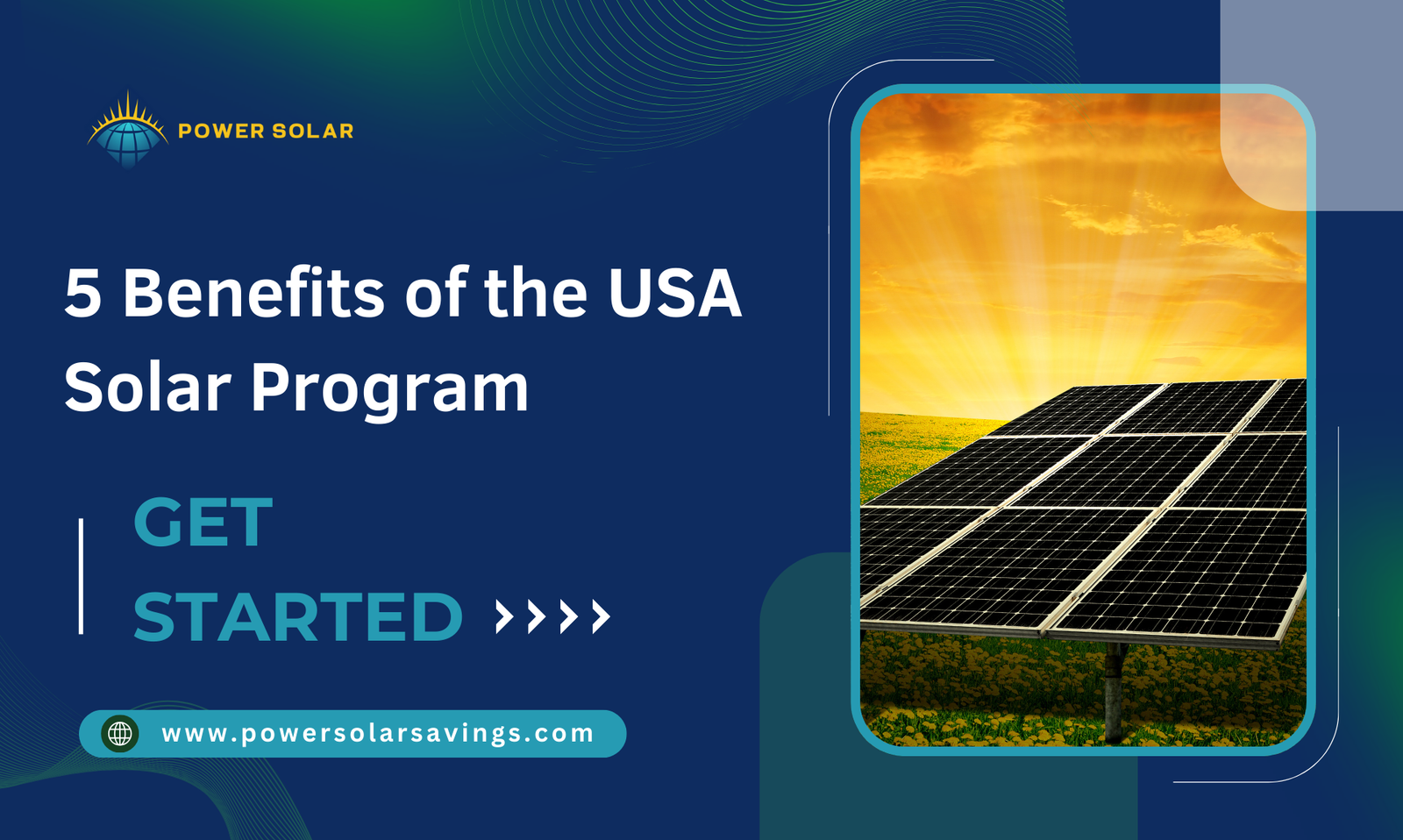
5 Key Benefits of the USA Solar Program

The USA Solar Program has revolutionized the renewable energy landscape by making solar power more accessible, affordable, and sustainable for individuals and businesses. Here’s a professional breakdown of its key benefits:


1. Significant Cost Savings

One of the primary advantages of adopting the USA Solar Program is the reduction in energy costs. Participants can enjoy lower utility bills by harnessing renewable solar energy. Over time, this leads to substantial financial savings, with some households even eliminating their energy bills entirely.


2. Federal and State Incentives

The program provides access to attractive financial incentives, including tax credits, rebates, and grants. The Federal Solar Investment Tax Credit (ITC), for instance, allows participants to deduct a significant percentage of their solar system installation costs from federal taxes, encouraging more households and businesses to transition to solar energy.


3. Environmental Sustainability

By reducing dependency on fossil fuels, the USA Solar Program contributes to a cleaner environment. Solar energy is a renewable resource that generates no greenhouse gas emissions, helping to combat climate change and promote ecological balance.


4. Energy Independence and Security

Participants gain energy independence by producing their own power. This reduces reliance on traditional grid-based systems, which are susceptible to outages and price volatility. Solar systems also enhance national energy security by diversifying the country’s energy portfolio.


5. Boost to Property Value

Investing in solar installations can increase property value. Homes and businesses equipped with solar panels are more attractive to buyers, thanks to their energy efficiency and lower operating costs. According to studies, properties with solar energy systems sell faster and at higher prices than those without.


Conclusion

The USA Solar Program is more than an initiative; it’s a transformative step toward a sustainable future. With financial savings, environmental benefits, and enhanced energy security, the program empowers individuals and businesses to make a positive impact while reaping long-term rewards. Transitioning to solar energy isn’t just a smart choice — it’s a necessary one for a greener tomorrow.

Categories
Solar Program

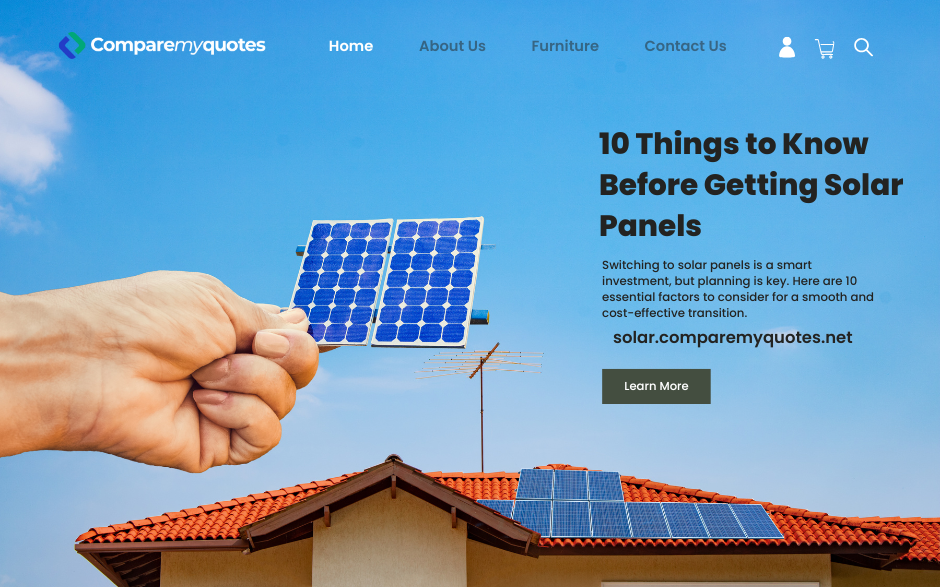
10 Things to Know Before Getting Solar Panels

Switching to solar energy is a great investment that can save you money, reduce your carbon footprint, and boost your energy independence. However, before making the transition, there are essential factors to consider to ensure a smooth and cost-effective process. Here are 10 things you need to know before getting solar panels:


1. Understand Your Energy Needs

Before installing solar panels, analyze your current energy consumption. Review your monthly electricity bills to determine how much power you use on average. This information will help you decide the size and capacity of the solar system you need.


2. Evaluate Your Roof’s Condition

Your roof plays a critical role in a solar panel installation. Ensure it is in good condition and has enough space to accommodate the panels. If your roof requires repairs or replacement, it’s better to address these issues before installation.


3. Determine Solar Panel Suitability

Solar panels work best in areas with consistent sunlight. Check your home’s orientation, shading, and roof angle to determine if your property is suitable for maximum energy generation.


4. Understand the Cost and Financing Options

The upfront cost of solar panels can be significant, but there are several financing options available, including solar loans, leases, and government incentives. Research tax credits, rebates, and other programs that can help reduce costs.


5. Choose the Right Solar Panel Type

There are different types of solar panels, such as monocrystalline, polycrystalline, and thin-film panels. Each has its pros and cons related to efficiency, cost, and appearance. Consider your energy needs and budget when choosing the right type.


6. Research Installation Providers

Selecting a reputable solar installation company is crucial. Look for certified installers with experience, customer reviews, and warranties. Compare multiple quotes to ensure you get the best deal.


7. Understand Net Metering Policies

Net metering allows you to send excess electricity generated by your solar panels back to the grid in exchange for credits. Familiarize yourself with your local utility company’s net metering policies to maximize savings.


8. Know Maintenance Requirements

Solar panels require minimal maintenance, but regular cleaning and occasional inspections are necessary to ensure optimal performance. Understand the maintenance needs and costs before installation.


9. Check Local Regulations and Permits

Installing solar panels may require permits and compliance with local building codes or homeowners’ association guidelines. Check with your local authorities to ensure a hassle-free installation.


10. Calculate the Long-Term Savings

Solar panels are a long-term investment that can reduce your electricity bills for decades. Calculate the return on investment (ROI) and estimate how long it will take to break even based on your energy savings.


Final Thoughts

Going solar is a smart decision, but it requires proper planning and understanding. By considering these 10 factors, you can ensure that your solar installation process is smooth, efficient, and tailored to your energy needs. Take the time to research, consult with professionals, and make the switch to sustainable energy confidently.

Categories
Solar Program

10 Benefits of Choosing Solar Energy for Your Home

Switching to solar energy for your home can offer a range of financial, environmental, and practical benefits. As energy costs continue to rise and concerns about environmental sustainability grow, more homeowners are turning to solar power as a viable solution. Here are 10 compelling benefits of choosing solar energy for your home:

1. Reduced Electricity Bills

One of the most significant benefits of installing solar panels is the reduction in your monthly electricity bills. By generating your own power, you can offset a large portion of the energy costs, and in some cases, you may even eliminate them altogether. With solar energy, the cost of electricity becomes more predictable.

2. Environmentally Friendly

Solar energy is a clean, renewable source of power that doesn’t contribute to pollution or greenhouse gas emissions. By using solar power, you can significantly reduce your carbon footprint and help combat climate change. It’s an excellent way to live more sustainably.

3. Increased Home Value

Homes with solar energy systems often have higher resale values. Buyers are increasingly attracted to homes with solar panels due to the long-term energy savings and eco-friendly benefits. Studies have shown that homes with solar panels can sell for a premium compared to similar homes without them.

4. Energy Independence

Solar energy allows you to generate your own power, reducing your reliance on utility companies. This is especially beneficial in areas with fluctuating energy prices or frequent power outages. With a solar system, you are less susceptible to the rising cost of energy and energy supply interruptions.

5. Tax Incentives and Rebates

Many governments offer tax credits, rebates, and incentives to encourage homeowners to invest in solar energy. These financial incentives can significantly reduce the upfront cost of installation, making solar power more affordable and attractive.

6. Low Maintenance Costs

Once installed, solar panels require minimal maintenance. Regular cleaning and occasional inspections are all that’s needed to ensure your system remains efficient. Most solar panel manufacturers offer warranties of 20 years or more, which ensures long-term reliability.

7. Job Creation and Economic Growth

The solar industry has grown rapidly in recent years, creating numerous jobs in manufacturing, installation, and maintenance. By investing in solar energy, homeowners support local job markets and contribute to economic growth in their communities.

8. Energy Storage Options

With advances in technology, homeowners now have the option to pair solar panels with energy storage systems, such as batteries. This allows you to store excess energy generated during the day and use it at night or during power outages, enhancing your energy independence.

9. Low Environmental Impact

Unlike fossil fuels, solar energy does not deplete natural resources. Solar panels have a long lifespan and can be recycled at the end of their use. The environmental impact of solar power is minimal compared to traditional energy sources, making it an excellent option for eco-conscious homeowners.

10. Increased Grid Security

Solar power helps reduce the strain on the electrical grid, especially during peak demand times. By generating your own energy, you reduce the overall demand on the grid, which can help prevent blackouts and reduce the need for new power plants.

Conclusion

Solar energy offers a wide range of benefits for homeowners, from reducing energy bills and enhancing home value to supporting environmental sustainability. With financial incentives, low maintenance, and technological advancements, switching to solar power has never been more accessible or rewarding. Consider making the move to solar energy today for a greener, more cost-effective home tomorrow.

Categories
Solar Program

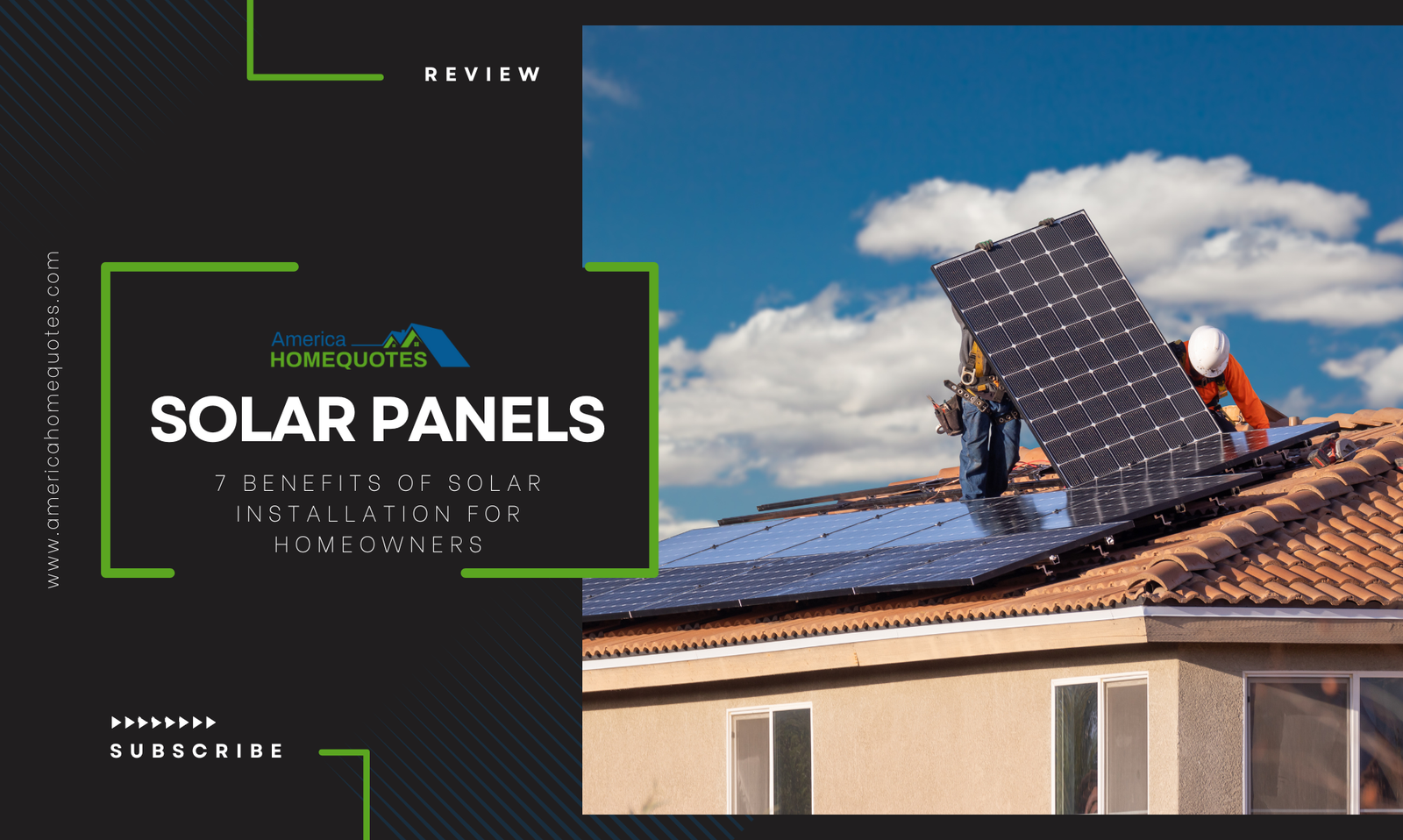
7 Benefits of Solar Installation for Homeowners

In recent years, solar energy has gained significant traction among homeowners as a sustainable and cost-effective energy solution. Investing in solar installation not only supports environmental conservation but also offers tangible benefits for property owners. Below are seven compelling reasons to consider installing solar panels at home.

1. Reduced Energy Bills

One of the most immediate benefits of solar energy is the substantial reduction in electricity costs. By generating your own power, you rely less on grid electricity, which translates to significant monthly savings. Over time, these savings can cover the initial installation costs, making solar a financially sound investment.

2. Increased Property Value

Homes equipped with solar panels often have higher resale values. Potential buyers are drawn to the prospect of reduced utility bills and a sustainable energy source, making your property more attractive in the real estate market.

3. Environmental Benefits

Switching to solar energy reduces your carbon footprint by lowering greenhouse gas emissions. By relying on a renewable energy source, homeowners contribute to a cleaner, greener planet while setting an example for eco-conscious living.

4. Energy Independence

Solar installations provide homeowners with energy independence, reducing reliance on fluctuating utility rates and power outages. With the addition of battery storage, you can store excess energy for use during the night or emergencies.

5. Government Incentives and Tax Credits

Many governments offer tax incentives, rebates, or grants to encourage solar adoption. These financial incentives can significantly offset installation costs, making solar energy more accessible to homeowners.

6. Low Maintenance Costs

Solar panels require minimal maintenance and are designed to last for decades. Periodic cleaning and occasional inspections are generally sufficient to keep the system running efficiently, providing long-term hassle-free energy generation.

7. Supports Energy Sustainability

By adopting solar energy, you contribute to reducing dependency on non-renewable energy sources like coal and gas. This shift not only supports global sustainability goals but also ensures a more stable energy future for generations to come.

Conclusion

Solar energy is not just an eco-friendly option—it’s a smart, long-term investment for homeowners. From cost savings and energy independence to boosting property value, solar panels offer a multitude of benefits. As technology advances and incentives grow, there’s never been a better time to make the switch to solar energy.

Categories
Solar Program

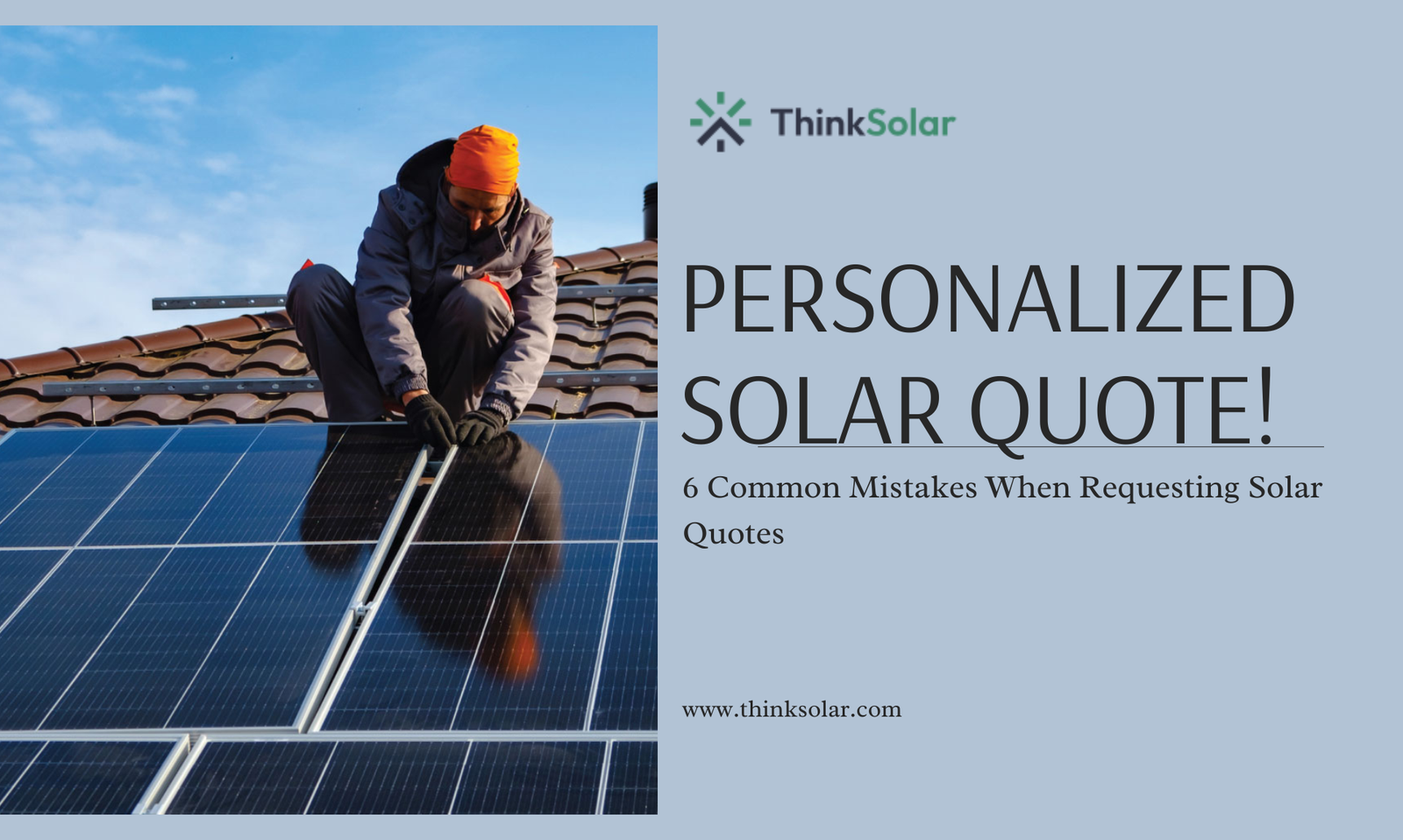
6 Common Mistakes When Requesting Solar Quotes

As more homeowners and businesses recognize the benefits of going solar, the demand for solar installations continues to rise. However, requesting a solar quote can be a complex process, especially for those new to the solar industry. Avoiding common mistakes can help you receive accurate quotes and make an informed decision. Here are six common mistakes to watch out for when requesting solar quotes:

1. Not Providing Sufficient Information

A frequent mistake is not sharing enough details about your energy needs, property specifications, or roof condition. To generate an accurate quote, solar providers need details such as your average energy consumption, roof size, roof material, and any shading factors. Providing this upfront ensures that quotes reflect your specific needs and reduces the chances of unexpected costs.

2. Ignoring Local Incentives and Rebates

Solar incentives vary significantly by location. Some regions offer federal tax credits, state incentives, or local rebates that can greatly reduce the overall installation cost. By overlooking these, you risk missing out on savings opportunities. Research local incentives before requesting quotes, or ask providers if they can incorporate available incentives into their estimates.

3. Requesting Too Few Quotes

Getting just one or two quotes might seem time-efficient, but it often leads to overpaying or underestimating installation requirements. Aim for at least three quotes to compare installation approaches, pricing structures, warranties, and financing options. This variety offers a clearer picture of the market rate and the quality of services, helping you avoid impulsive decisions.

4. Focusing Only on Upfront Costs

While it’s tempting to choose the cheapest option, the initial quote doesn’t always reflect long-term value. Consider factors like equipment quality, system efficiency, warranty terms, and maintenance costs. A slightly higher upfront cost may come with better long-term savings due to lower maintenance needs or higher energy efficiency, resulting in a faster return on investment.

5. Overlooking Maintenance and Warranty Details

Not all solar installations are covered equally under warranty, and some may require more maintenance than others. Carefully review warranty terms and ask for details on maintenance requirements. A comprehensive warranty can safeguard your investment, while lower maintenance needs can keep future costs low, making a significant difference in your solar experience.

6. Rushing the Decision Process

Solar installations are a long-term investment, so avoid rushing into a decision. Take the time to review each quote carefully, ask follow-up questions, and consult with trusted professionals or advisors if needed. A thorough review process helps ensure the quote aligns with your expectations and long-term goals.


By being mindful of these common mistakes, you can make the process of getting solar quotes much smoother. The right preparation ensures you receive fair and accurate quotes, helping you make a well-informed decision for your energy future.

Categories
Solar Program

Solar Panels: A Sustainable Solution for Modern Energy Needs

As the world increasingly turns towards sustainable energy solutions, solar panels have emerged as one of the most viable and effective technologies for addressing modern energy demands. Solar energy harnesses the power of the sun, a limitless and renewable resource, making it an ideal solution for both residential and commercial energy needs.

The Growing Need for Sustainable Energy

With global energy consumption rising and concerns over environmental degradation mounting, the shift to renewable energy sources has never been more urgent. Fossil fuels, which have been the backbone of global energy supply for decades, are not only finite but also contribute significantly to pollution and climate change. Solar panels offer a clean, efficient, and sustainable alternative, reducing dependence on fossil fuels and lowering greenhouse gas emissions.

How Solar Panels Work

Solar panels, or photovoltaic (PV) systems, work by converting sunlight into electricity. The panels are composed of numerous solar cells made from semiconductor materials, typically silicon. When sunlight strikes these cells, it excites electrons, creating an electric current that can be harnessed to power homes, businesses, and even entire communities.

Advantages of Solar Energy

  1. Environmental Benefits: Solar energy is a clean, green source of power. It produces no pollution or greenhouse gases, significantly reducing the carbon footprint of users.
  2. Cost Savings: While the initial investment in solar panels can be substantial, the long-term savings are considerable. Once installed, solar panels generate free electricity for decades, reducing or even eliminating electricity bills.
  3. Energy Independence: Solar energy allows users to generate their own power, reducing reliance on external energy suppliers and protecting against fluctuating energy prices.
  4. Low Maintenance: Solar panels require minimal maintenance. Most systems come with a long lifespan, often exceeding 25 years, with warranties that cover most potential issues.
  5. Technological Advancements: The solar industry has seen significant technological advancements, improving the efficiency of solar panels and reducing costs, making solar energy more accessible than ever.

Solar Panels in Different Sectors

  • Residential Use: Homeowners can benefit from installing solar panels by reducing energy costs and increasing the value of their property. With various government incentives and financing options available, residential solar installation is more attainable for the average household.
  • Commercial Use: Businesses can leverage solar energy to power their operations, reduce operating costs, and showcase their commitment to sustainability. Large-scale commercial solar installations can also contribute to grid stability and energy resilience.
  • Industrial Use: Industries with high energy demands can particularly benefit from solar energy, which can provide a significant portion of their power needs while mitigating the environmental impact of their operations.

The Future of Solar Energy

As technology continues to advance, the efficiency and affordability of solar panels are expected to improve further. Innovations such as solar batteries and smart grid systems will enhance the ability to store and distribute solar energy, making it a more integral part of the global energy landscape. Additionally, the growing emphasis on sustainability in corporate and governmental policies will likely spur further adoption of solar energy.

In conclusion, solar panels represent a crucial component of the transition to a sustainable energy future. They offer a reliable, cost-effective, and environmentally friendly solution to the world’s energy needs. As the demand for clean energy continues to rise, solar panels will undoubtedly play a leading role in shaping the future of energy consumption.

Categories
Solar Program

What are the Different Types of Solar Panels?

Solar energy is a popular and effective renewable energy source, and various types of solar panels are available to meet different energy needs and applications. Here, we’ll delve into the main types of solar panels, their advantages, disadvantages, and typical uses.

1. Monocrystalline Solar Panels

Description:

Monocrystalline solar panels are made from single-crystal silicon, giving them a uniform appearance. The silicon is grown into a single crystal, which is then sliced into wafers to form the cells.

Advantages:

  • High Efficiency: Typically, they offer efficiencies between 15-20%.
  • Space-Efficient: Higher efficiency means they require less space to produce the same amount of power.
  • Long Lifespan: Often come with a 25-year warranty.

Disadvantages:

  • Cost: They are more expensive to manufacture than other types.
  • Performance in Shaded Conditions: Performance drops significantly if any part of the panel is shaded.

Uses:

  • Ideal for residential rooftops and small spaces due to their high efficiency.

2. Polycrystalline Solar Panels

Description:

Polycrystalline, or multicrystalline, panels are made from silicon crystals that are melted together. These panels have a speckled blue appearance.

Advantages:

  • Lower Cost: Generally less expensive to produce than monocrystalline panels.
  • Good Efficiency: Typically, they offer efficiencies between 13-16%.

Disadvantages:

  • Lower Efficiency: They are less efficient than monocrystalline panels.
  • More Space Required: Need more space to produce the same amount of power.

Uses:

  • Suitable for larger installations where space is less of a constraint, such as commercial buildings or solar farms.

3. Thin-Film Solar Panels

Description:

Thin-film panels are made by depositing one or more layers of photovoltaic material onto a substrate. The most common types include amorphous silicon (a-Si), cadmium telluride (CdTe), and copper indium gallium selenide (CIGS).

Advantages:

  • Flexibility: Can be made flexible, allowing for more versatile applications.
  • Low-Light Performance: Perform better in low-light conditions and high temperatures.
  • Aesthetics: Can be made semi-transparent and come in various colors, making them suitable for building-integrated photovoltaics (BIPV).

Disadvantages:

  • Lower Efficiency: Generally have lower efficiencies, around 10-12%.
  • Shorter Lifespan: Tend to degrade faster than crystalline silicon panels.

Uses:

  • Ideal for large-scale installations, BIPV, and applications where flexibility is a key requirement.

4. Bifacial Solar Panels

Description:

Bifacial solar panels can capture sunlight from both sides. They are typically made from monocrystalline or polycrystalline silicon and are designed to take advantage of reflected light.

Advantages:

  • Increased Energy Yield: Can produce more electricity compared to traditional panels by capturing sunlight from both sides.
  • Durability: Often have a more robust design.

Disadvantages:

  • Higher Cost: More expensive than traditional single-sided panels.
  • Installation Complexity: Require specific installation setups to maximize reflected light capture.

Uses:

  • Suitable for ground-mounted installations, solar farms, and locations with high reflectivity surfaces such as snow-covered or sandy areas.

5. Concentrated PV Cell (CPV)

Description:

CPV systems use lenses or mirrors to concentrate sunlight onto a small but highly efficient solar cell.

Advantages:

  • High Efficiency: Can achieve efficiencies above 40% under ideal conditions.
  • Space-Efficient: High efficiency reduces the space needed for installation.

Disadvantages:

  • Cost: Very expensive compared to other types of solar panels.
  • Complexity: Requires precise alignment and tracking systems to focus sunlight accurately.

Uses:

  • Suitable for solar power plants in areas with high direct sunlight and minimal cloud cover.

Conclusion

Choosing the right type of solar panel depends on several factors, including budget, space availability, efficiency requirements, and specific application needs. Monocrystalline panels are best for high-efficiency residential installations, polycrystalline panels offer a cost-effective solution for larger spaces, thin-film panels provide versatility, bifacial panels maximize energy yield with innovative designs, and CPV systems are suited for specialized, high-efficiency projects. Each type has its unique advantages and is suited to different applications, ensuring that solar energy can be harnessed effectively in various scenarios.