Categories
Auto Insurance

Why Personalized Coverage Matters in Auto Insurance

Auto insurance is not a one-size-fits-all solution. Every driver has unique needs, driving habits, and financial considerations that demand tailored coverage. Personalized auto insurance coverage ensures that policyholders receive the protection they need without paying for unnecessary extras. Here are the key reasons why personalized coverage is crucial:

1. Addresses Individual Needs

No two drivers are alike. Factors such as the type of vehicle, driving frequency, and geographical location significantly influence the kind of coverage a driver requires. Personalized policies account for these variables, offering protection that aligns with individual circumstances.

2. Cost-Effectiveness

Standardized policies often include blanket coverage, leading to higher premiums for features that may not be relevant. A personalized approach eliminates redundant coverage, allowing drivers to pay only for what they need, thus saving money.

3. Enhanced Financial Security

Custom coverage ensures adequate protection against potential risks specific to the driver. For instance, someone who commutes long distances daily might prioritize collision coverage, while an occasional driver might focus on liability insurance. This tailored approach minimizes financial vulnerability in the event of an accident.

4. Incorporates Lifestyle Changes

Life is dynamic, and so are insurance needs. Personalized coverage allows policyholders to adjust their policies as circumstances change, such as moving to a new city, purchasing a new car, or adding a young driver to the policy.

5. Promotes Customer Satisfaction

Insurance providers that offer personalized coverage demonstrate an understanding of their clients’ unique requirements. This builds trust and fosters long-term relationships, as customers feel valued and cared for.

6. Encourages Responsible Driving

Many personalized policies incorporate usage-based insurance (UBI) options, where premiums are determined by driving behavior. Safe driving habits can lead to lower premiums, incentivizing responsible behavior on the road.

Conclusion

Personalized coverage in auto insurance is more than just a trend; it’s a necessity in today’s diverse driving landscape. By addressing specific needs, enhancing financial security, and adapting to lifestyle changes, tailored policies provide superior value and peace of mind. For drivers seeking optimal protection without overpaying, personalized coverage is the smart choice.
Categories
Auto Insurance

5 Tips for Finding Low-Cost Auto Insurance Plans

Finding an affordable auto insurance plan without compromising on essential coverage can be a challenge. However, with the right approach, you can secure a policy that fits your budget while providing adequate protection. Here are five expert tips to help you find a low-cost auto insurance plan:

1. Compare Multiple Quotes One of the most effective ways to save on auto insurance is by comparing quotes from different providers. Insurance companies use various factors to determine rates, so prices can vary significantly. Utilize online comparison tools or work with an independent insurance agent to find the best deal.

2. Take Advantage of Discounts Many insurance providers offer discounts that can help lower your premium. Some common discounts include:

  • Safe driver discounts for maintaining a clean driving record
  • Multi-policy discounts for bundling auto insurance with home or renters insurance
  • Good student discounts for young drivers with high academic performance
  • Low mileage discounts for drivers who don’t drive frequently
  • Safety feature discounts for vehicles equipped with advanced safety features

3. Adjust Your Coverage and Deductibles Reevaluating your coverage levels and deductibles can help you find a balance between cost and protection. Consider raising your deductible to lower your premium, but ensure you have sufficient savings to cover it in case of an accident. Additionally, if you have an older car, you might not need comprehensive and collision coverage.

4. Maintain a Good Credit Score Insurance companies often use credit scores to assess risk and determine premiums. A higher credit score can lead to lower insurance rates. To improve your credit score:

  • Pay bills on time
  • Reduce outstanding debt
  • Monitor your credit report for errors and discrepancies

5. Drive Safely and Avoid Claims Maintaining a clean driving record can significantly impact your insurance costs. Avoiding accidents and traffic violations helps you qualify for lower rates over time. Some insurers also offer usage-based programs that track your driving habits and reward safe driving with discounts.

By following these tips, you can find a low-cost auto insurance plan that meets your needs without compromising on essential coverage. Always review your policy regularly to ensure you’re getting the best rates and benefits available.

Categories
Auto Insurance

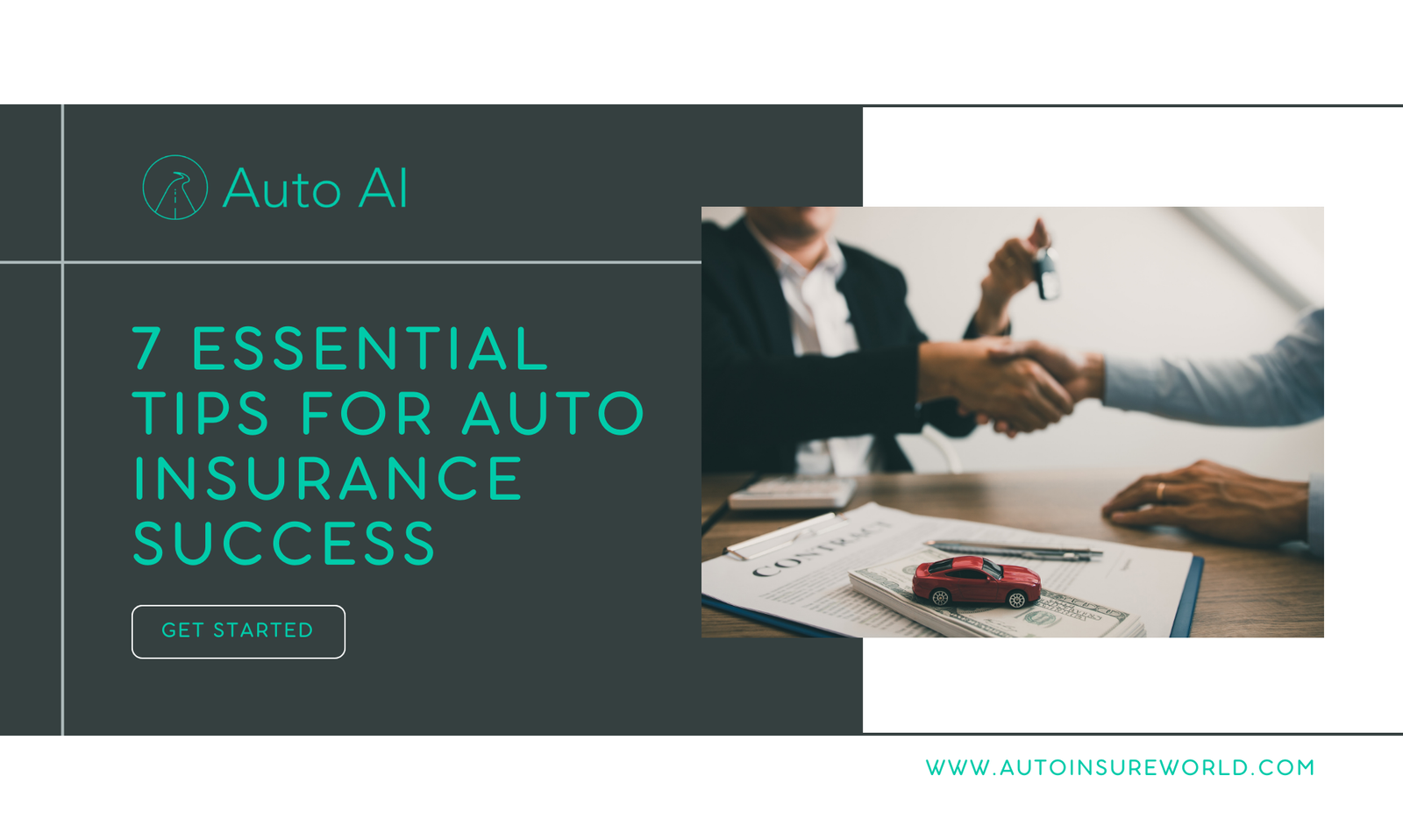
7 Essential Tips for Auto Insurance Success

Auto insurance is a crucial aspect of vehicle ownership, offering financial protection in case of accidents, theft, or damage. However, selecting the right policy and managing your coverage effectively requires knowledge and strategy. Here are seven essential tips to help you achieve success with auto insurance.

1. Understand Your Coverage Needs
Before purchasing auto insurance, evaluate your coverage requirements based on factors like vehicle type, driving habits, and financial situation. Liability insurance is mandatory, but you may also need collision, comprehensive, uninsured motorist, or personal injury protection (PIP) based on your needs.

2. Compare Multiple Insurance Providers
Insurance rates and coverage options vary significantly among providers. Obtain quotes from at least three different insurers to find the best combination of price, coverage, and customer service. Online comparison tools and independent insurance agents can help simplify the process.

3. Maintain a Clean Driving Record
A history of accidents and traffic violations can increase your insurance premiums. Safe driving habits not only keep you protected on the road but also help qualify you for discounts and lower rates over time.

4. Take Advantage of Discounts
Many insurers offer discounts for safe driving, bundling policies, installing anti-theft devices, or completing defensive driving courses. Ask your provider about available discounts to maximize savings on your premium.

5. Opt for a Higher Deductible
Choosing a higher deductible can lower your monthly premium. However, ensure you have sufficient savings to cover the deductible amount in case of a claim.

6. Regularly Review and Update Your Policy
Your insurance needs may change over time due to factors like purchasing a new vehicle, moving to a new location, or improving your credit score. Review your policy annually and adjust coverage as necessary to avoid overpaying or being underinsured.

7. Understand Policy Exclusions and Fine Print
Carefully read your policy details to understand exclusions, limitations, and claim procedures. Knowing what is and isn’t covered can prevent surprises during a claim and ensure you’re adequately protected.

By following these tips, you can secure the right auto insurance coverage, minimize costs, and protect yourself from unexpected financial burdens. Staying informed and proactive ensures you get the best value and coverage for your needs.

Categories
Auto Insurance

How Do I Know If I’m Getting a Good Auto Insurance Quote?

Finding the right auto insurance quote is essential for securing the best coverage at an affordable rate. However, determining whether a quote is truly competitive requires a careful assessment of several factors. Here’s how you can evaluate an auto insurance quote to ensure you’re getting the best deal.

1. Compare Quotes from Multiple Insurers

One of the most effective ways to gauge whether you’re receiving a fair quote is to compare offers from multiple insurance providers. Rates can vary significantly between companies due to factors like underwriting criteria, risk assessments, and available discounts.

2. Assess Coverage Options

A good quote isn’t just about the price—it’s about the coverage included. Ensure that the quote covers essential aspects such as:

  • Liability Coverage – Covers bodily injury and property damage to others.
  • Collision Coverage – Covers damages to your vehicle in case of an accident.
  • Comprehensive Coverage – Protects against non-collision incidents like theft, fire, or natural disasters.
  • Uninsured/Underinsured Motorist Coverage – Protects you if you’re involved in an accident with an uninsured or underinsured driver.

3. Evaluate Deductibles and Limits

The deductible is the amount you pay out of pocket before your insurance kicks in. Lower deductibles mean higher premiums, whereas higher deductibles lead to lower premiums. Additionally, check policy limits to ensure they provide sufficient financial protection in case of an accident.

4. Look for Discounts

Many insurers offer discounts that can significantly reduce your premium. Common discounts include:

  • Safe driver discounts
  • Multi-policy discounts (bundling auto and home insurance)
  • Good student discounts
  • Low-mileage discounts
  • Anti-theft device discounts

5. Review Customer Service and Claims Process

Price and coverage matter, but so does the insurer’s reputation for customer service and claims handling. Research customer reviews, claim settlement ratios, and response times to ensure that the company will provide hassle-free service when needed.

6. Understand Policy Exclusions and Conditions

Read the fine print to identify any exclusions or conditions that could impact your coverage. Some policies may exclude certain drivers, impose limitations on car usage, or have hidden fees.

7. Consider the Financial Strength of the Insurer

Check the financial ratings of the insurance company through agencies like A.M. Best, Standard & Poor’s, or Moody’s. A financially stable insurer is more likely to fulfill claims without delays.

8. Assess Annual vs. Monthly Payments

Many insurers offer discounts for paying the premium annually instead of monthly. If financially feasible, paying annually can help you save money in the long run.

Conclusion

A good auto insurance quote balances affordability, coverage, and reliability. By comparing multiple quotes, assessing coverage options, looking for discounts, and researching the insurer’s reputation, you can make an informed decision and secure the best possible protection for your vehicle.

Categories
Solar Program

How to Monitor Your Solar Program Performance

As solar energy adoption continues to grow, ensuring the efficiency and effectiveness of your solar program is crucial. Monitoring your solar program’s performance allows you to optimize energy production, reduce costs, and maximize return on investment (ROI). Here’s a professional guide on how to effectively track and evaluate your solar program performance.

1. Establish Key Performance Indicators (KPIs)

Defining clear KPIs is the foundation of effective monitoring. Some essential KPIs include:

2. Use Solar Monitoring Software

Modern solar monitoring systems provide real-time data and insights. Some key features to look for include:

3. Monitor Energy Consumption vs. Production

Balancing energy production and consumption is essential for efficiency. If your energy consumption exceeds production, adjustments may be needed to optimize usage or consider expanding capacity.

4. Conduct Regular Inspections and Maintenance

Routine checks help prevent system degradation and maintain peak performance. Key maintenance tasks include:

  • Cleaning solar panels to remove dirt and debris.
  • Checking for shading issues caused by new obstructions.
  • Inspecting wiring and inverters for any faults.
  • Scheduling professional servicing for comprehensive system diagnostics.

5. Analyze Financial Performance

Regularly reviewing financial metrics ensures your solar program remains cost-effective. Key considerations include:

6. Leverage AI and Predictive Analytics

AI-driven tools can predict maintenance needs, optimize energy use, and provide actionable insights to improve system performance. Implementing these technologies enhances efficiency and long-term savings.

7. Evaluate Environmental Impact

Tracking your solar program’s contribution to sustainability is valuable for businesses and individuals committed to reducing their carbon footprint. Measure metrics such as:

  • CO2 emissions reduced.
  • Number of trees saved.
  • Contribution to local renewable energy goals.

Conclusion

Regular monitoring and proactive management of your solar program ensure optimal performance and maximum benefits. By utilizing advanced monitoring tools, setting clear KPIs, and maintaining your system efficiently, you can achieve long-term sustainability and cost savings. Implementing these best practices will keep your solar program performing at its best while maximizing its impact on energy efficiency and environmental conservation.

Categories
Auto Insurance

5 Key Factors to Compare in Car Insurance Quotes

When shopping for car insurance, comparing quotes from different providers is crucial to finding the best coverage at the most affordable price. However, price alone shouldn’t be the sole deciding factor. Below are five key factors to consider when evaluating car insurance quotes to ensure you’re making an informed decision.

1. Coverage Options Different insurance providers offer varying coverage options. Basic policies typically include liability coverage, but comprehensive coverage, collision coverage, and additional add-ons like roadside assistance or rental car reimbursement can differ. Carefully review what each policy includes to ensure it meets your specific needs.

2. Premium Costs and Deductibles While the premium cost is a significant factor, it’s essential to balance it with the deductible amount. A lower premium might come with a higher deductible, which means you’ll pay more out-of-pocket in case of a claim. Compare both premium costs and deductible options to find the right balance for your budget.

3. Discounts and Incentives Many insurance companies offer discounts for various reasons, such as safe driving records, bundling multiple policies, or installing anti-theft devices. Ask about available discounts and how they can affect your premium to maximize savings.

4. Claim Process and Customer Service An insurer’s reputation for handling claims and customer service can significantly impact your experience. Research customer reviews and ratings to understand how quickly and efficiently the company processes claims. A provider with excellent customer service can ease the stress during an already difficult time.

5. Policy Limits and Exclusions Pay close attention to policy limits and exclusions. Higher policy limits offer more protection but often come with higher premiums. Additionally, exclusions specify what the policy does not cover, such as certain types of damage or drivers. Understanding these details can prevent unexpected surprises down the road.

Conclusion Comparing car insurance quotes involves more than just looking at the price. By considering coverage options, premium costs, available discounts, customer service quality, and policy exclusions, you can make a more informed decision that provides the best value and protection for your vehicle.

Categories
Personal Finance

6 Benefits of Personal Loans You Should Know

In today’s fast-paced world, personal loans have become a popular financial solution for individuals seeking quick access to funds. Whether for emergencies, debt consolidation, or personal expenses, personal loans offer several advantages. Here are six key benefits of personal loans that everyone should know.

1. Flexible Usage

One of the most significant benefits of personal loans is their versatility. Unlike other loans that are designated for specific purposes, such as home or car loans, personal loans can be used for various needs, including medical expenses, home renovations, travel, or education.

2. Quick Approval and Disbursement

Many financial institutions offer quick approval and disbursement of personal loans, especially if you have a good credit score. This feature makes personal loans an ideal option for emergencies where immediate funds are required.

3. No Collateral Required

Most personal loans are unsecured, meaning they do not require any collateral. This makes them accessible to a broader range of individuals who may not have significant assets to pledge.

4. Fixed Interest Rates and Repayment Terms

Personal loans typically come with fixed interest rates and repayment terms, making it easier to plan monthly budgets. This predictability helps borrowers manage their finances without unexpected fluctuations.

5. Debt Consolidation

Personal loans can be used to consolidate multiple debts into a single loan with a lower interest rate. This simplifies monthly payments and can help reduce overall interest costs.

6. Improve Credit Score

Timely repayment of personal loans can positively impact your credit score. Managing your loan responsibly demonstrates financial discipline, which can improve your creditworthiness for future loans.

Conclusion

Personal loans offer a range of benefits that cater to diverse financial needs. Their flexibility, quick processing, and potential to improve credit scores make them a valuable financial tool. However, it’s essential to assess your repayment capacity before applying to avoid financial strain. Always compare loan offers from different lenders to secure the best deal for your needs.

Categories
Auto Insurance

Auto Insurance for New Drivers: What You Need to Know

Introduction

Navigating the world of auto insurance can be overwhelming, especially for new drivers. Understanding the essentials of auto insurance is crucial to ensure proper coverage and avoid unexpected expenses. This guide outlines what new drivers need to know to make informed decisions when selecting an auto insurance policy.

Why Auto Insurance is Essential

Auto insurance is not just a legal requirement in most regions, but it also provides financial protection in case of accidents, theft, or damage. For new drivers, having the right coverage can prevent significant financial burdens and provide peace of mind on the road.

Types of Coverage

  1. Liability Coverage: Covers damages to others’ property and medical expenses if you’re at fault in an accident.
  2. Collision Coverage: Pays for repairs to your own vehicle after an accident.
  3. Comprehensive Coverage: Covers non-collision-related damages, such as theft, fire, or natural disasters.
  4. Personal Injury Protection (PIP): Covers medical expenses for you and your passengers, regardless of fault.
  5. Uninsured/Underinsured Motorist Coverage: Protects you if you’re involved in an accident with a driver who lacks sufficient insurance.

Factors Affecting Insurance Rates

New drivers typically face higher insurance premiums due to their lack of driving experience. Key factors that influence rates include:

  • Age and Gender
  • Driving History
  • Type of Vehicle
  • Location
  • Credit Score (in some regions)
  • Coverage Limits and Deductibles

Tips to Lower Premiums

Conclusion

Auto insurance is a vital part of responsible vehicle ownership, particularly for new drivers. By understanding coverage options, factors affecting premiums, and ways to reduce costs, new drivers can secure affordable and comprehensive insurance policies. Researching and comparing quotes from different insurers will help ensure the best coverage at the most competitive price.

Categories
Auto Insurance

Transform Your Auto Insurance: Save Money Now

Auto insurance is a necessity for every vehicle owner, but that doesn’t mean it has to break the bank. By exploring professional auto insurance services, you can unlock significant savings while maintaining quality coverage. Here are some ways professional auto insurance services can help you save money:

1. Tailored Coverage Plans
Professional insurance agents assess your individual needs and recommend customized coverage plans, ensuring you’re not paying for unnecessary extras.

2. Access to Multiple Providers
Experienced insurance brokers work with multiple insurance companies, allowing them to compare policies and find the best rates on your behalf.

3. Discounts and Bundling Options
Professionals are aware of various discounts such as safe driver incentives, multi-car policies, and bundling options that can significantly reduce premiums.

4. Accurate Risk Assessment
Insurance experts provide accurate risk assessments, helping you select the appropriate coverage without over-insuring or under-insuring your vehicle.

5. Claims Assistance
Having a professional handle your claims process ensures quick and fair settlements, minimizing stress and financial loss.

6. Regular Policy Reviews
Insurance agents conduct periodic reviews of your policy, identifying opportunities for adjustments or better rates as your circumstances change.

7. Expert Advice
Professionals provide guidance on coverage options, helping you make informed decisions that align with your budget and lifestyle.

8. Legal Compliance
Auto insurance specialists ensure your policy meets all state and local legal requirements, avoiding fines and legal issues.

Conclusion
Transforming your auto insurance with the help of professional services not only saves money but also ensures you have the right coverage for your needs. With expert advice, personalized plans, and access to the best deals, professional auto insurance services are a smart investment for every driver.

Categories
Home Improvement Roofing Survey

8 Benefits of Professional Roofing Services

A roof is one of the most critical components of any building, providing protection, insulation, and aesthetic appeal. While some minor roof repairs might seem like a DIY task, hiring professional roofing services offers several advantages that ensure long-lasting results. Here are eight key benefits of professional roofing services:

1. Expertise and Experience
Professional roofing contractors have extensive knowledge and hands-on experience dealing with various roofing materials, techniques, and challenges. Their expertise ensures that every aspect of the roofing project is handled efficiently and correctly.

2. Quality Materials
Reputable roofing companies have access to high-quality materials that are not always available to the general public. They select the best materials suited for your specific roof type, ensuring durability and longevity.

3. Safety Assurance
Roofing projects can be hazardous without proper safety measures. Professional roofers are trained in safety protocols and equipped with the right tools to minimize the risk of accidents or injuries.

4. Cost-Effective Solutions
While hiring professionals may seem more expensive upfront, it often proves to be cost-effective in the long run. Proper installation and high-quality materials reduce the need for frequent repairs and premature replacements.

5. Time Efficiency
Experienced roofing contractors can complete the job within a specified timeframe, avoiding unnecessary delays. This allows homeowners or businesses to resume their routine without prolonged disruptions.

6. Warranty Protection
Most professional roofing companies offer warranties on their workmanship and materials. This provides peace of mind, knowing that any issues arising within the warranty period will be addressed without additional costs.

7. Compliance with Building Codes
Professional roofers are familiar with local building codes and regulations. They ensure that the roofing project meets all necessary legal requirements, avoiding fines or complications in the future.

8. Comprehensive Inspection and Maintenance
Roofing contractors often offer inspection and maintenance services that help identify potential problems before they escalate. Regular maintenance extends the lifespan of the roof and enhances its performance.

Conclusion
Investing in professional roofing services not only ensures a high-quality roof but also provides long-term benefits such as safety, durability, and cost savings. Whether for installation, repair, or maintenance, hiring experienced roofers is a smart decision that protects your property and enhances its overall value.