The evolution of gambling tracing its roots through history
The Origins of Gambling
The history of gambling can be traced back to ancient civilizations, where it was often intertwined with religious and cultural practices. Evidence suggests that as early as 3000 BC, Chinese citizens used rudimentary forms of gambling, including the earliest known lottery games. The dice, believed to have originated in India around 2000 BC, further exemplified the human fascination with chance and risk, forming a critical part of social and entertainment activities across various societies. Today, platforms like Casoola offer a modern take on these ancient traditions.

As societies evolved, so did the methods and platforms for gambling. Ancient Greeks and Romans incorporated betting into their athletic competitions and gladiatorial games, reflecting the deep-seated cultural acceptance of chance. The first recorded gambling houses emerged in Italy during the Renaissance period, paving the way for more formalized betting practices.
The Rise of Organized Gambling
The 16th and 17th centuries witnessed a significant shift in gambling’s structure, especially in Europe. The development of casinos marked a new era, with establishments designed explicitly for gambling emerging in cities like Venice and Monaco. These venues provided a regulated environment for a variety of games, attracting both local patrons and tourists seeking excitement and entertainment.
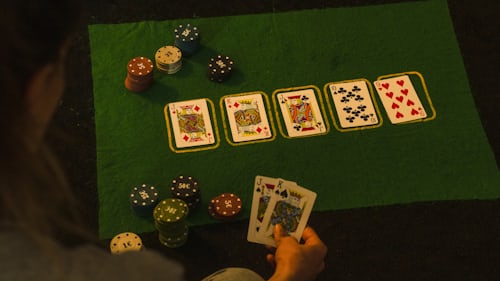
This period also saw the introduction of popular games such as poker and baccarat, which gained popularity due to their unique combination of skill and luck. As gambling became more mainstream, authorities sought to regulate the industry, resulting in the establishment of gambling laws aimed at protecting both players and operators.
Gambling in the Modern Era
The 19th century brought profound changes with the industrial revolution, which introduced new technologies and methods of gambling. The invention of the telegraph allowed for rapid communication, enabling people to place bets on horse racing and other events in real time. This innovation laid the groundwork for modern sports betting as we know it today.
By the 20th century, Las Vegas emerged as a gambling mecca, attracting millions seeking the thrill of casino games. The legalization of gambling in various states across the United States further propelled the industry’s growth, leading to the establishment of iconic casinos and the introduction of slot machines, which captivated players worldwide.
The Digital Transformation of Gambling
The late 20th and early 21st centuries marked the advent of the internet, revolutionizing the gambling industry. Online casinos and betting sites began to emerge, providing players with access to a vast array of games from the comfort of their homes. This shift democratized gambling, allowing for a global audience and making it more accessible than ever before.
As technology advanced, so did the methods of gameplay. Mobile gambling became increasingly popular, enabling users to engage in betting activities through smartphones and tablets. Additionally, innovations like live dealer games created immersive experiences that replicated the excitement of traditional casinos, bridging the gap between online and offline gambling.
Exploring the Online Gaming Landscape
Modern online casinos, such as Casoola Casino, represent the evolution of gambling into the digital age. Launched in 2026, this innovative platform caters specifically to players in New Zealand, offering a vast library of over 12,000 games, including an array of slots and a vibrant live casino experience. With a strong emphasis on player safety and responsible gaming practices, online casinos now operate under internationally recognized licenses, ensuring a secure environment for users.
Casoola Casino also enhances the gaming experience through 24/7 customer support and enticing promotions, including generous bonuses for new players. This evolution of gambling not only showcases the industry’s growth but also its commitment to improving player engagement and satisfaction in an increasingly competitive market.