Categories
Home Improvement Windows Remodel

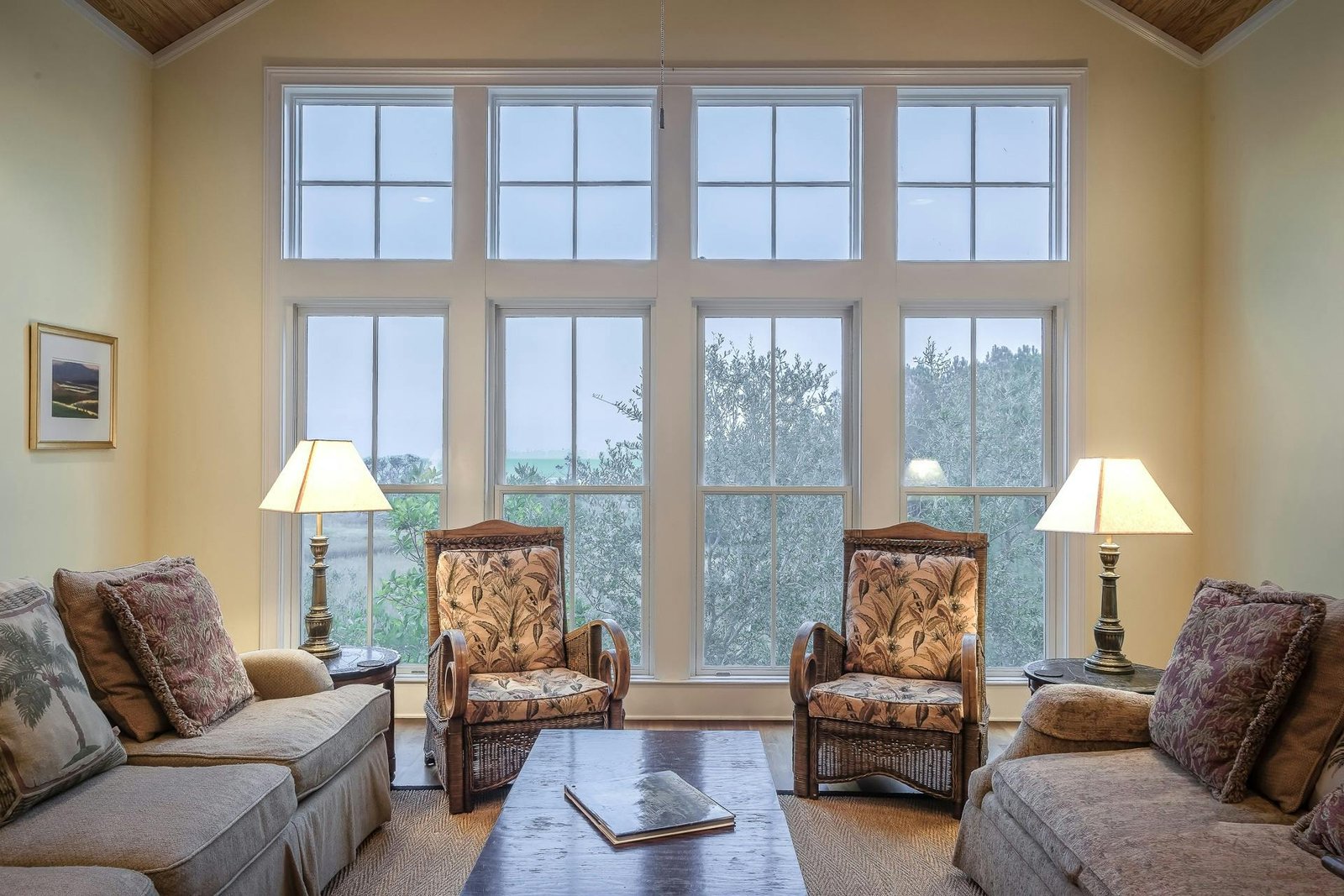
Through the Panes: A Comprehensive Guide to Windows Remodeling

Windows are not just functional components of a home; they are the portals that connect us with the outside world. Remodeling windows can significantly enhance the aesthetics, energy efficiency, and overall ambiance of a space. This comprehensive guide explores the various aspects of windows remodeling, from design considerations and material choices to installation processes and energy-efficient solutions, helping homeowners embark on a transformative journey to elevate their living spaces.

I. Design Considerations:

  1. Architectural Harmony: Consider the architectural style of your home when choosing window designs. Whether you have a modern, traditional, or eclectic aesthetic, selecting windows that complement your home’s architecture is crucial for a cohesive look.
  2. Natural Light Optimization: Assess the orientation of your home and strategically place windows to maximize natural light. Well-placed windows not only brighten up interiors but also contribute to a more open and inviting atmosphere.

II. Material Choices:

  1. Wood, Vinyl, or Aluminum: Explore different window frame materials, such as wood, vinyl, or aluminum. Each material has its unique characteristics, offering a balance of aesthetics, durability, and maintenance requirements.
  2. Energy-Efficient Glazing: Opt for energy-efficient glazing options, such as double or triple-pane windows with Low-E coatings. These features improve insulation, reduce heat transfer, and enhance the overall energy efficiency of your home.

III. Window Styles:

  1. Casement, Double-Hung, or Picture Windows: Understand the various window styles available, including casement, double-hung, or picture windows. Each style serves different purposes, so choose based on functionality, aesthetics, and ventilation requirements.
  2. Specialty Windows for Unique Spaces: For unique spaces like bay windows or architectural alcoves, consider specialty window designs. These can add character to your home while maximizing views and natural light.

IV. Installation Process:

  1. Professional Consultation: Seek professional advice for an expert evaluation of your home’s window remodeling needs. Professionals can guide you on the best solutions for your specific requirements and offer insights into the installation process.
  2. Proper Measurements and Fit: Accurate measurements are crucial for a successful window remodel. Ensure that the new windows are precisely fitted to prevent air leakage, drafts, and water intrusion.

V. Energy-Efficient Solutions:

  1. Insulated Frames and Seals: Choose windows with insulated frames and high-quality seals to minimize heat transfer and improve energy efficiency. Well-insulated frames contribute to maintaining a comfortable indoor temperature.
  2. Smart Window Technologies: Explore smart window technologies, including motorized shades or tinting, to regulate sunlight and enhance energy efficiency. These technologies offer convenience and control over your home’s lighting and climate.

VI. Curb Appeal Enhancement:

  1. Trim and Molding: Consider upgrading window trim and molding for an instant boost to curb appeal. Well-designed trim can frame windows elegantly and tie together the overall aesthetic of your home.
  2. Exterior Window Treatments: Explore exterior window treatments such as shutters, awnings, or window boxes. These elements not only add charm but also contribute to the overall visual appeal of your home.

VII. Maintenance Tips:

  1. Regular Cleaning Routine: Implement a regular cleaning routine to keep windows sparkling and free from debris. Clean windows not only enhance aesthetics but also allow for optimal natural light.
  2. Inspecting Seals and Frames: Periodically inspect window seals and frames for signs of wear or damage. Prompt repairs can prevent energy loss and maintain the efficiency of your windows.

VIII. Cost Considerations:

  1. Budgeting for Quality: While budget considerations are important, prioritize quality materials and professional installation. Investing in high-quality windows ensures long-term durability and energy efficiency.
  2. Potential Energy Savings: Factor in potential energy savings when budgeting for windows remodeling. Energy-efficient windows may lead to reduced utility bills over time, providing a return on your investment.

Conclusion:

Windows remodeling is a transformative journey that goes beyond aesthetics; it’s about enhancing comfort, energy efficiency, and the overall ambiance of your home. By carefully considering design elements, material choices, and energy-efficient solutions, you can elevate your living spaces to new heights. Embrace the potential of natural light, explore innovative window technologies, and invest in quality materials to create a home that not only looks inviting but also feels comfortable and sustainable. Through the panes of your newly remodeled windows, discover a renewed connection to the world outside and a revitalized sense of home.

Categories
Bathroom Remodel Home Improvement

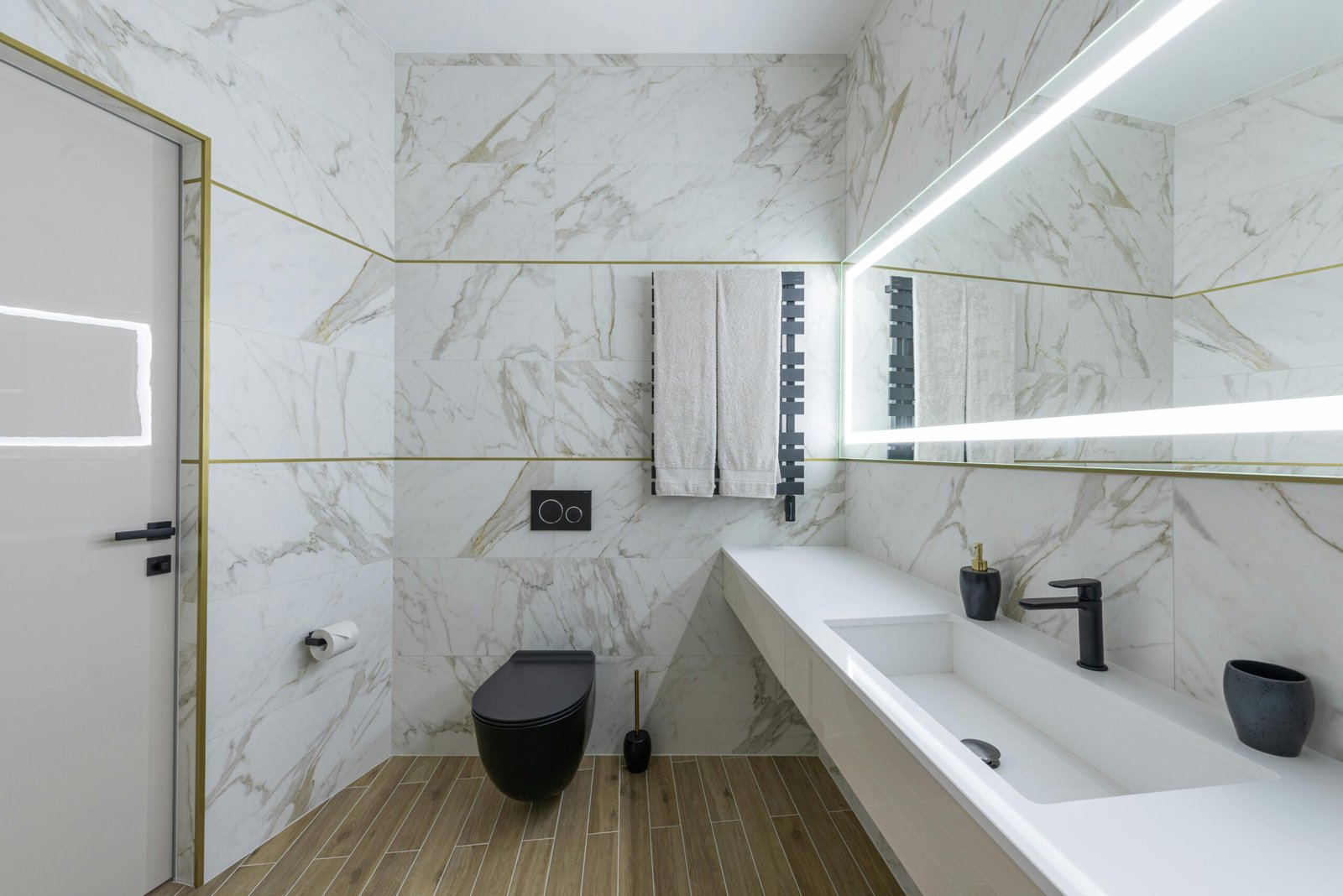
Transforming Retreats: A Comprehensive Guide to Successful Bathroom Remodeling

The bathroom, often considered a sanctuary within the home, serves as a retreat for relaxation and rejuvenation. A well-designed and thoughtfully remodeled bathroom has the power to elevate the entire living experience. This comprehensive guide is crafted to provide valuable insights and practical tips for embarking on a successful bathroom remodeling journey, covering essential aspects from initial planning and budgeting to design considerations and execution.

I. Assessing Needs and Goals:

  1. Identify Priorities: Begin by identifying your priorities for the bathroom remodel. Whether it’s creating a spa-like escape, enhancing functionality, or modernizing the aesthetics, a clear vision will serve as the guiding force throughout the remodeling process.
  2. Consider Long-Term Use: Envision how the bathroom will be used in the long term. Tailor the design to suit your lifestyle, whether it’s a master bathroom oasis or a family-friendly space. Long-term considerations ensure that your remodel remains relevant and functional for years to come.

II. Creating a Realistic Budget:

  1. Research Project Costs: Dive into thorough research to understand the costs associated with your desired improvements. From fixtures to materials and labor, gather estimates from online resources and local suppliers to create a realistic budget.
  2. Prioritize Essential Features: With a budget in place, prioritize essential features that align with your goals. Whether it’s investing in luxurious fixtures, updating flooring, or incorporating energy-efficient elements, establish must-haves to guide your spending.

III. Designing the Layout:

  1. Optimizing Space: Maximize the available space by optimizing the layout. Consider the placement of fixtures, storage solutions, and the flow of movement within the bathroom. An efficient layout enhances both functionality and visual appeal.
  2. Incorporating Storage Solutions: Infuse thoughtful storage solutions to maintain an organized and clutter-free bathroom. Built-in shelves, vanity cabinets, and creative storage options can seamlessly blend with the overall design, ensuring practicality meets aesthetics.

IV. Choosing Fixtures and Materials:

  1. Selecting Quality Fixtures: Invest in high-quality fixtures that not only enhance aesthetics but also ensure durability. Faucets, showerheads, and other hardware should not only look stylish but also stand the test of time.
  2. Durable and Elegant Materials: Strike a balance between durability and style when choosing materials. Opt for tiles, stone, or waterproof laminates for surfaces that boast visual appeal while being resistant to moisture and wear.

V. Lighting and Ventilation:

  1. Natural and Artificial Lighting: Combine natural and artificial lighting to create a well-lit and inviting atmosphere. Maximize natural light and incorporate task lighting around mirrors for functionality. Ambient lighting contributes to a serene ambiance.
  2. Effective Ventilation: Prioritize proper ventilation to prevent moisture-related issues. Install an efficient exhaust fan to promote air circulation, preventing the buildup of mold and mildew in the remodeled space.

VI. DIY vs. Professional Services:

  1. Assess DIY Abilities: Evaluate your DIY skills and identify tasks that align with your capabilities. While cosmetic changes like painting or installing accessories might be DIY-friendly, complex tasks may require professional assistance.
  2. Consulting Professionals: For tasks involving plumbing, electrical work, or structural changes, consult professionals. Experienced contractors ensure safety and efficiency in executing more complex aspects of the remodel.

VII. Creating a Realistic Timeline:

  1. Breaking Down Tasks: Divide the remodeling project into manageable tasks and establish a realistic timeline for each. This structured approach ensures a step-by-step progression toward the completion of the entire remodel.
  2. Anticipating Delays: Be prepared for potential delays due to unforeseen circumstances such as shipping issues or unexpected complications during the remodel. A flexible timeline helps manage expectations and reduce stress throughout the process.

Conclusion:

Embarking on a bathroom remodeling project is a transformative journey that promises to turn a functional space into a luxurious retreat. By carefully assessing needs, setting a realistic budget, and focusing on both aesthetics and functionality, you can create a bathroom that seamlessly blends style with practicality. Whether you choose to embrace a DIY approach or seek professional assistance, the result will be a revitalized sanctuary that reflects your vision for an elevated and serene bathroom experience. Transform your retreat into a haven of relaxation and style, where every moment becomes an indulgence in comfort and tranquility.

Categories
Home Improvement Windows Remodel

Windows Remodeling: Transforming Spaces with Style and Functionality

Windows serve as the eyes of a home, connecting its interiors with the outside world while influencing both aesthetics and functionality. Remodeling windows is a transformative process that can enhance the overall appeal, energy efficiency, and comfort of your living spaces. This comprehensive guide delves into the intricacies of windows remodeling, covering design considerations, material options, installation processes, and tips for creating a harmonious blend of style and functionality.

I. Design Considerations:

  1. Architectural Harmony: Consider the architectural style of your home when selecting window designs. Whether it’s a contemporary, traditional, or eclectic aesthetic, windows should seamlessly integrate with the overall design to create a cohesive and visually appealing look.
  2. Natural Light Optimization: Maximize the influx of natural light by strategically placing windows. Understand the orientation of your home and design window placements to harness sunlight effectively, creating brighter, more inviting interiors.

II. Material Choices:

  1. Wood, Vinyl, or Aluminum Frames: Explore different window frame materials such as wood, vinyl, or aluminum. Each material brings unique characteristics, balancing factors like aesthetics, durability, and maintenance requirements.
  2. Energy-Efficient Glazing: Opt for energy-efficient glazing options, such as double or triple-pane windows with Low-E coatings. These features improve insulation, reduce heat transfer, and contribute to the overall energy efficiency of your home.

III. Window Styles:

  1. Casement, Double-Hung, or Picture Windows: Familiarize yourself with various window styles, including casement, double-hung, or picture windows. Choose styles based on functionality, aesthetics, and ventilation needs to suit different areas of your home.
  2. Specialty Windows for Unique Spaces: For unique spaces like bay windows or alcoves, consider specialty window designs. These windows not only add character but also maximize views and natural light.

IV. Installation Process:

  1. Professional Consultation: Seek professional advice to assess your home’s unique window remodeling needs. Professionals can provide tailored solutions and guide you through the installation process, ensuring a seamless transformation.
  2. Precision Measurements and Fit: Accurate measurements are crucial for a successful window remodel. Precision ensures a proper fit, preventing issues like air leakage, drafts, and water intrusion.

V. Energy-Efficient Solutions:

  1. Insulated Frames and Seals: Choose windows with insulated frames and high-quality seals to minimize heat transfer. Well-insulated frames contribute to maintaining a comfortable indoor temperature.
  2. Smart Window Technologies: Explore smart window technologies such as motorized shades or tinting to regulate sunlight and enhance energy efficiency. These technologies offer convenience and control over your home’s lighting and climate.

VI. Curb Appeal Enhancement:

  1. Upgraded Trim and Molding: Consider upgrading window trim and molding for an instant curb appeal boost. Well-designed trim frames windows elegantly, tying together the overall aesthetic of your home.
  2. Exterior Window Treatments: Explore exterior window treatments like shutters, awnings, or window boxes to add charm and contribute to the overall visual appeal of your home.

VII. Maintenance Tips:

  1. Regular Cleaning Routine: Establish a regular cleaning routine to keep windows sparkling and free from debris. Clean windows not only enhance aesthetics but also allow for optimal natural light.
  2. Inspect Seals and Frames: Periodically inspect window seals and frames for signs of wear or damage. Timely repairs can prevent energy loss and maintain the efficiency of your windows.

VIII. Cost Considerations:

  1. Budgeting for Quality: Prioritize quality materials and professional installation. While budget considerations are important, investing in high-quality windows ensures long-term durability and energy efficiency.
  2. Potential Energy Savings: Factor in potential energy savings when budgeting for windows remodeling. Energy-efficient windows may lead to reduced utility bills over time, providing a return on your investment.

Conclusion:

Windows remodeling is a transformative journey that goes beyond aesthetics; it’s about enhancing comfort, energy efficiency, and the overall ambiance of your home. By carefully considering design elements, material choices, and energy-efficient solutions, you can elevate your living spaces to new heights. Embrace the potential of natural light, explore innovative window technologies, and invest in quality materials to create a home that not only looks inviting but also feels comfortable and sustainable. Through the panes of your newly remodeled windows, discover a renewed connection to the world outside and a revitalized sense of home.

Categories
Home Improvement Kitchen Remodel

Culinary Haven: A Comprehensive Guide to Successful Kitchen Remodeling

The kitchen is the heart of the home, where culinary creations come to life and family and friends gather. A well-designed and functional kitchen not only enhances the cooking experience but also adds significant value to a home. This comprehensive guide is tailored to provide valuable insights and practical tips for embarking on a successful kitchen remodeling journey, covering key considerations from initial planning and budgeting to design and execution.

I. Assessing Needs and Goals:

  1. Identify Priorities: Start by identifying your priorities for the kitchen remodel. Whether it’s creating a more efficient workspace, updating appliances, or enhancing the overall aesthetics, a clear vision will guide the entire remodeling process.
  2. Understand Functional Requirements: Consider how your kitchen is used. Are you an avid cook in need of more counter space, or is your kitchen a social hub requiring seating and entertainment features? Understanding functional requirements ensures your remodel aligns with your lifestyle.

II. Creating a Realistic Budget:

  1. Research Project Costs: Thoroughly research the costs associated with your desired improvements. From appliances to cabinetry and labor, gather estimates from various sources to create a realistic budget. This step is crucial for effective financial planning.
  2. Prioritize Essential Upgrades: With a budget in mind, prioritize essential upgrades. Focus on critical elements such as quality appliances, durable countertops, and efficient storage solutions. Prioritizing ensures that your budget is allocated to the most impactful aspects of the remodel.

III. Designing the Layout:

  1. Optimizing Workflow: Maximize the efficiency of your kitchen by optimizing the layout. Consider the classic work triangle (sink, stove, refrigerator) and ensure that the flow of movement is seamless. A well-designed layout enhances both functionality and aesthetics.
  2. Incorporating Ample Storage: Infuse your kitchen with ample storage solutions. Utilize cabinetry, pull-out shelves, and organizational accessories to keep your kitchen organized and clutter-free. Smart storage solutions contribute to a more enjoyable cooking experience.

IV. Choosing Appliances and Materials:

  1. Selecting Quality Appliances: Invest in quality appliances that not only meet your cooking needs but also add a touch of sophistication to the kitchen. Energy-efficient models can contribute to long-term savings.
  2. Durable and Stylish Materials: Choose durable materials for countertops, flooring, and backsplashes. Consider options like granite, quartz, or ceramic tiles that blend durability with style, ensuring your kitchen stands the test of time.

V. Lighting and Ventilation:

  1. Ample and Layered Lighting: Illuminate your kitchen with ample and layered lighting. Combine ambient, task, and accent lighting to create a well-lit and inviting space. Proper lighting enhances both functionality and ambiance.
  2. Effective Ventilation: Prioritize effective ventilation to remove cooking odors and prevent the buildup of heat and moisture. A quality range hood or ventilation system contributes to a comfortable cooking environment.

VI. DIY vs. Professional Services:

  1. Assess DIY Capabilities: Evaluate your DIY capabilities and identify tasks that align with your skills. While cosmetic changes like painting or installing new hardware may be DIY-friendly, complex tasks such as electrical work or cabinetry installation may require professional assistance.
  2. Consulting Professionals: For intricate tasks, seek the expertise of professionals. Experienced contractors and designers can bring valuable insights and ensure that complex aspects of the remodel are executed safely and efficiently.

VII. Creating a Realistic Timeline:

  1. Breaking Down Tasks: Divide the remodeling project into manageable tasks and create a realistic timeline for each. This structured approach ensures steady progress and prevents feeling overwhelmed by the enormity of the project.
  2. Anticipating Delays: Be prepared for potential delays, considering factors such as product delivery times, unexpected complications, or changes in design preferences. A flexible timeline accommodates unforeseen circumstances without compromising the overall project.

Conclusion:

Embarking on a kitchen remodeling project is an exciting venture that promises to transform the heart of your home into a culinary haven. By carefully assessing your needs, setting a realistic budget, and focusing on functionality and aesthetics, you can create a kitchen that seamlessly blends style with practicality. Whether you choose a DIY approach or enlist professional help, the result will be a revitalized space where every culinary adventure is a joy and every gathering is enriched by the warmth of a thoughtfully designed kitchen.

Categories
Home Improvement Windows Remodel

Windows Remodeling: A Breath of Fresh Air for Your Home

Windows are more than mere openings in a wall; they are the conduits through which light, air, and views enter our homes. Remodeling windows is a transformative endeavor that can rejuvenate your living spaces, providing a perfect blend of style, functionality, and energy efficiency. This comprehensive guide takes you on a journey through the key aspects of windows remodeling, from design considerations and material choices to installation processes and maintenance tips, helping you breathe new life into your home.

I. Design Considerations:

  1. Architectural Synergy: Harmonize your window designs with the architectural style of your home. Whether it’s a classic colonial or a sleek contemporary design, choose window styles that complement the overall aesthetic.
  2. Natural Light Optimization: Strategically position windows to maximize natural light. Understanding the orientation of your home allows you to harness sunlight effectively, creating bright and inviting interiors.

II. Material Choices:

  1. Wood, Vinyl, or Aluminum Frames: Explore various window frame materials, such as wood, vinyl, or aluminum. Each material brings its own set of advantages, balancing durability, aesthetics, and maintenance requirements.
  2. Energy-Efficient Glazing: Prioritize energy-efficient glazing options, like double or triple-pane windows with Low-E coatings. These features enhance insulation, reduce heat transfer, and contribute to overall energy efficiency.

III. Window Styles:

  1. Casement, Double-Hung, or Picture Windows: Familiarize yourself with different window styles, such as casement, double-hung, or picture windows. Choose styles based on functionality, aesthetics, and ventilation needs for specific areas of your home.
  2. Specialty Windows for Unique Spaces: Consider specialty window designs for unique spaces like bay windows or alcoves. These windows add character and maximize views and natural light.

IV. Installation Process:

  1. Professional Consultation: Seek professional guidance to assess your home’s unique window remodeling needs. Professionals can offer tailored solutions and guide you through the installation process, ensuring a seamless transformation.
  2. Precision Measurements and Fit: Accurate measurements are crucial for a successful window remodel. Ensuring a precise fit prevents issues like air leakage, drafts, and water intrusion.

V. Energy-Efficient Solutions:

  1. Insulated Frames and Seals: Opt for windows with insulated frames and high-quality seals to minimize heat transfer. Well-insulated frames contribute to maintaining a comfortable indoor temperature.
  2. Smart Window Technologies: Explore smart window technologies, like motorized shades or tinting, to regulate sunlight and enhance energy efficiency. These technologies offer convenience and control over your home’s lighting and climate.

VI. Curb Appeal Enhancement:

  1. Upgraded Trim and Molding: Consider upgrading window trim and molding to boost curb appeal. Well-designed trim frames windows elegantly, tying together the overall aesthetic of your home.
  2. Exterior Window Treatments: Explore exterior window treatments like shutters, awnings, or window boxes to add charm and contribute to the visual appeal of your home.

VII. Maintenance Tips:

  1. Regular Cleaning Routine: Establish a routine for cleaning windows to keep them sparkling and free from debris. Clean windows not only enhance aesthetics but also allow for optimal natural light.
  2. Inspect Seals and Frames: Periodically inspect window seals and frames for signs of wear or damage. Timely repairs can prevent energy loss and maintain the efficiency of your windows.

VIII. Cost Considerations:

  1. Budgeting for Quality: Prioritize quality materials and professional installation. While budget considerations are important, investing in high-quality windows ensures long-term durability and energy efficiency.
  2. Potential Energy Savings: Consider potential energy savings when budgeting for windows remodeling. Energy-efficient windows may lead to reduced utility bills over time, providing a return on your investment.

Conclusion:

Windows remodeling is an invigorating journey that transcends mere aesthetics; it’s about enhancing comfort, energy efficiency, and the overall ambiance of your home. By carefully considering design elements, material choices, and energy-efficient solutions, you can elevate your living spaces to new heights. Embrace the potential of natural light, explore innovative window technologies, and invest in quality materials to create a home that not only looks inviting but also feels comfortable and sustainable. Through the panes of your newly remodeled windows, rediscover the joy of a breath of fresh air within your living spaces.

Categories
Home Improvement Kitchen Remodel

Culinary Revival: A Comprehensive Guide to Successful Kitchen Remodeling

The kitchen is more than just a space for cooking; it’s the heartbeat of the home, a place where culinary creativity flourishes, and cherished memories are made. Remodeling the kitchen is an opportunity to not only enhance its functionality but also to infuse the space with a renewed sense of style and efficiency. This comprehensive guide is crafted to provide invaluable insights and practical tips for embarking on a successful kitchen remodeling journey, covering essential considerations from initial planning and budgeting to design concepts and execution.

I. Assessing Needs and Goals:

  1. Identify Kitchen Priorities: Begin by identifying your priorities for the kitchen remodel. Whether it’s creating a gourmet cooking space, improving storage solutions, or enhancing the overall aesthetics, a clear vision will guide your decisions throughout the remodeling process.
  2. Understand Daily Functionality: Consider how your kitchen functions on a daily basis. Is it a hub for family gatherings, a space for entertaining guests, or primarily a utilitarian cooking area? Understanding your kitchen’s daily use will help tailor the remodel to your lifestyle.

II. Creating a Realistic Budget:

  1. Thorough Cost Research: Dive into comprehensive research to understand the costs associated with your desired improvements. From appliances to cabinetry and labor, gather estimates from various sources to create a realistic budget. This step is crucial for effective financial planning.
  2. Prioritize Essential Upgrades: With a budget in mind, prioritize essential upgrades. Focus on key elements such as quality appliances, durable countertops, and efficient storage solutions. Prioritizing ensures that your budget is allocated to the most impactful aspects of the remodel.

III. Designing the Layout:

  1. Optimizing Workflow: Maximize the efficiency of your kitchen by optimizing the layout. Consider the classic work triangle (sink, stove, refrigerator) and ensure that the flow of movement is seamless. A well-designed layout enhances both functionality and aesthetics.
  2. Smart Storage Solutions: Introduce ample storage solutions to keep your kitchen organized and clutter-free. Utilize cabinetry, pull-out shelves, and innovative organizational accessories to create a space that is not only stylish but also highly practical.

IV. Choosing Appliances and Materials:

  1. Invest in Quality Appliances: Invest in quality appliances that align with your cooking needs and lifestyle. Opt for energy-efficient models that not only enhance functionality but also contribute to long-term savings.
  2. Durable and Stylish Materials: Choose durable materials for countertops, flooring, and backsplashes. Options like granite, quartz, or ceramic tiles not only offer durability but also add a touch of elegance to your kitchen.

V. Lighting and Ventilation:

  1. Ample and Thoughtful Lighting: Illuminate your kitchen with ample and thoughtful lighting. Combine ambient, task, and accent lighting to create a well-lit and inviting space. Proper lighting enhances functionality and sets the ambiance.
  2. Effective Ventilation: Prioritize effective ventilation to remove cooking odors and maintain a comfortable atmosphere. A high-quality range hood or ventilation system is essential for a pleasant cooking environment.

VI. DIY vs. Professional Services:

  1. Assess DIY Abilities: Evaluate your DIY capabilities and determine tasks that align with your skills. While cosmetic changes like painting or installing new hardware may be DIY-friendly, more complex tasks such as electrical work or cabinetry installation may require professional assistance.
  2. Consulting Professionals: Seek the expertise of professionals for intricate tasks. Experienced contractors and designers can provide valuable insights, ensuring that complex aspects of the remodel are executed safely and efficiently.

VII. Creating a Realistic Timeline:

  1. Structured Task Breakdown: Divide the remodeling project into manageable tasks and establish a realistic timeline for each. This structured approach ensures steady progress and prevents feeling overwhelmed by the scope of the project.
  2. Anticipating Delays: Be prepared for potential delays, considering factors such as product delivery times, unexpected complications, or adjustments in design preferences. A flexible timeline accommodates unforeseen circumstances without jeopardizing the overall project.

Conclusion:

Embarking on a kitchen remodeling project is an exhilarating venture that promises to breathe new life into the heart of your home. By meticulously assessing your needs, setting a realistic budget, and focusing on both functionality and aesthetics, you can create a kitchen that seamlessly blends style with practicality. Whether you choose a DIY approach or enlist professional help, the result will be a revitalized space where every culinary experience becomes a joy, and the kitchen transforms into a haven of culinary revival.

Categories
Home Improvement Roofing Survey

Apply These 20 Secret Techniques To Improve Roofing Survey

Conducting a thorough roofing survey is essential to ensuring the longevity and structural integrity of your home. Whether you’re a homeowner or a roofing professional, mastering the art of roofing surveys can save you from costly repairs and potential damage. Here are 20 secret techniques employed by experts for a comprehensive and professional roofing survey.

  1. Safety First: Before starting any roofing survey, prioritize safety. Use proper safety equipment, such as harnesses and helmets, and be mindful of potential hazards.
  2. Evaluate Roofing Materials: Identify the materials used in your roof. Understanding the composition will help you assess their condition and estimate their lifespan.
  3. Check for Signs of Water Damage: Look for water stains, mold, or mildew inside the attic or on the ceiling. These are indicators of potential leaks and water damage.
  4. Inspect Flashing: Examine the flashing around chimneys, vents, and skylights. Damaged flashing can lead to water penetration, so ensure it’s intact and properly sealed.
  5. Assess Shingle Condition: Examine the shingles for signs of wear, curling, or missing pieces. Replace damaged shingles promptly to prevent water infiltration.
  6. Examine Gutters and Downspouts: Clear debris from gutters and ensure downspouts are directing water away from the foundation. Clogged gutters can lead to water pooling on the roof.
  7. Look for Sagging Areas: Check for any sagging or uneven areas on the roof. This may indicate structural issues that need immediate attention.
  8. Inspect Attic Ventilation: Adequate ventilation in the attic is crucial. Ensure vents are unobstructed and working properly to prevent moisture buildup.
  9. Evaluate Skylights and Roof Windows: Inspect the seals and frames of skylights and roof windows. Leaks around these areas can lead to significant damage over time.
  10. Examine Chimney and Vents: Check for cracks or gaps in the chimney and vent structures. Proper sealing is essential to prevent water intrusion.
  11. Assess the Roof’s Pitch: Understanding the pitch of your roof is crucial for drainage. Ensure that water is effectively flowing away from the structure.
  12. Check for Algae and Moss: Algae and moss growth on the roof can compromise its integrity. Clean and treat the roof to prevent further damage.
  13. Evaluate Eaves and Overhangs: Inspect the condition of eaves and overhangs. These areas are susceptible to water damage, so prompt repairs are necessary.
  14. Examine Seals around Skylights and Vent Pipes: Damaged seals can lead to leaks. Inspect and replace seals around skylights and vent pipes as needed.
  15. Inspect Roof Valley: Roof valleys are prone to water accumulation. Ensure they are clear of debris and well-sealed to prevent leaks.
  16. Use Drone Technology: Employing drones for aerial surveys allows for a comprehensive view of the roof, aiding in the identification of potential issues.
  17. Utilize Infrared Technology: Infrared imaging can help identify hidden moisture beneath the roof surface, providing insights into potential water damage.
  18. Document Findings with Photos: Take clear photographs of any damage or areas of concern. This documentation is valuable for both assessment and future reference.
  19. Consult with a Professional Roofer: When in doubt, seek the expertise of a professional roofer. Their experience can uncover hidden issues and provide reliable solutions.
  20. Regular Maintenance Schedule: Establish a routine maintenance schedule to address minor issues promptly, preventing them from escalating into major problems.

Conclusion:

By incorporating these 20 expert techniques into your roofing survey, you’ll be equipped to assess your roof’s condition thoroughly. Whether you’re a homeowner conducting a routine check or a professional roofer ensuring the quality of your work, these techniques will help you achieve a professional and comprehensive roofing survey that safeguards your investment and promotes the longevity of your roof.

Categories
Home Improvement Kitchen Remodel

Culinary Symphony: A Comprehensive Guide to Successful Kitchen Remodeling

The kitchen is not just a room where meals are prepared; it’s the epicenter of the home, a space where family bonds are strengthened, and culinary creations come to life. Remodeling the kitchen is a transformative journey that goes beyond enhancing functionality – it’s about creating a harmonious space that marries style with efficiency. This comprehensive guide is crafted to provide invaluable insights and practical tips for embarking on a successful kitchen remodeling journey, covering key considerations from initial planning and budgeting to design concepts and execution.

I. Assessing Needs and Goals:

  1. Identify Kitchen Priorities: Start by identifying your priorities for the kitchen remodel. Whether it’s optimizing workflow, expanding storage, or elevating aesthetics, a clear understanding of your goals will serve as the foundation for the entire remodeling process.
  2. Understand Daily Functionality: Consider how your kitchen functions on a daily basis. Is it a space for intimate family dinners, social gatherings, or quick weekday meals? Tailoring the remodel to align with your lifestyle ensures that the end result caters to your specific needs.

II. Creating a Realistic Budget:

  1. Thorough Cost Research: Engage in comprehensive research to understand the costs associated with your desired improvements. From appliances to cabinetry and labor, gather estimates from various sources to establish a realistic budget – a crucial step for effective financial planning.
  2. Prioritize Essential Upgrades: With a budget in mind, prioritize essential upgrades. Focus on key elements such as quality appliances, durable countertops, and smart storage solutions. Prioritizing ensures that your budget is allocated to the most impactful aspects of the remodel.

III. Designing the Layout:

  1. Optimizing Workflow: Maximize the efficiency of your kitchen by optimizing the layout. Consider the classic work triangle (sink, stove, refrigerator) and ensure a seamless flow of movement. A well-designed layout enhances both functionality and visual appeal.
  2. Intelligent Storage Solutions: Introduce intelligent storage solutions to keep your kitchen organized. From pull-out shelves to custom cabinetry, incorporating smart storage not only adds convenience but also contributes to the overall aesthetic of the space.

IV. Choosing Appliances and Materials:

  1. Invest in Quality Appliances: Invest in high-quality appliances that align with your cooking style and preferences. Opt for energy-efficient models to not only enhance functionality but also contribute to long-term savings.
  2. Durable and Stylish Materials: Select durable materials for countertops, flooring, and backsplashes. Options like granite, quartz, or ceramic tiles strike the perfect balance between durability and aesthetics, adding a touch of sophistication to your culinary haven.

V. Lighting and Ventilation:

  1. Ample and Thoughtful Lighting: Illuminate your kitchen with ample and thoughtful lighting. A combination of ambient, task, and accent lighting creates a well-lit and inviting space. Proper lighting enhances functionality and sets the perfect ambiance for culinary adventures.
  2. Effective Ventilation: Prioritize effective ventilation to maintain a comfortable cooking environment. A high-quality range hood or ventilation system not only removes cooking odors but also contributes to a healthier kitchen atmosphere.

VI. DIY vs. Professional Services:

  1. Assess DIY Capabilities: Evaluate your DIY capabilities and determine tasks that align with your skills. While cosmetic changes like painting or installing new hardware may be DIY-friendly, more complex tasks such as electrical work or cabinetry installation may require professional assistance.
  2. Consulting Professionals: Seek the expertise of professionals for intricate tasks. Experienced contractors and designers bring valuable insights, ensuring that complex aspects of the remodel are executed safely and efficiently.

VII. Creating a Realistic Timeline:

  1. Structured Task Breakdown: Divide the remodeling project into manageable tasks and establish a realistic timeline for each. This structured approach ensures steady progress and prevents feeling overwhelmed by the magnitude of the project.
  2. Anticipating Delays: Be prepared for potential delays, considering factors such as product delivery times, unexpected complications, or adjustments in design preferences. A flexible timeline accommodates unforeseen circumstances without compromising the overall success of the project.

Conclusion:

Embarking on a kitchen remodeling project is a thrilling endeavor that promises to transform your culinary space into a symphony of style and functionality. By carefully assessing your needs, setting a realistic budget, and focusing on both practicality and aesthetics, you can create a kitchen that seamlessly blends form with function. Whether you choose a hands-on DIY approach or enlist professional help, the result will be a revitalized space where every culinary creation becomes a harmonious note in the symphony of your home. Welcome to a kitchen that not only serves but also inspires – a true culinary masterpiece.

Categories
Home Improvement Kitchen Remodel

10 Must-Have Features for Your Kitchen Remodel

Embarking on a kitchen remodel is an exciting endeavor, but it requires careful planning to ensure that your new space meets both aesthetic and functional needs. In this comprehensive guide, we’ll explore 15 must-have features for your kitchen remodel, combining professional advice and practical insights to help you create a modern, efficient, and stylish culinary haven.

  1. Open Concept Layout: Embrace the trend of open-concept kitchens, fostering a seamless flow between the kitchen and adjacent living spaces. This not only enhances social interaction but also makes the area feel more spacious.
  2. Ample Storage Solutions: Prioritize storage with smart solutions such as pull-out pantry shelves, deep drawers, and vertical cabinets. Optimize cabinet space with organizers for pots, pans, and utensils to keep your kitchen clutter-free.
  3. High-Quality Cabinetry: Invest in durable, high-quality cabinetry that not only adds aesthetic value but also ensures longevity. Consider timeless designs that can withstand evolving trends.
  4. Quartz or Granite Countertops: Choose durable and low-maintenance countertop materials like quartz or granite. These materials not only add a touch of luxury but also withstand daily wear and tear.
  5. Stainless Steel Appliances: Opt for stainless steel appliances for a sleek and modern look. Their durability, resistance to fingerprints, and ease of cleaning make them a practical choice for any kitchen.
  6. Under-Cabinet Lighting: Illuminate your workspace with under-cabinet lighting. This feature enhances visibility for cooking tasks and adds a subtle ambiance to your kitchen.
  7. Smart Kitchen Technology: Integrate smart kitchen technology, such as touchless faucets, smart ovens, and connected appliances. This not only adds convenience but also aligns your kitchen with the latest technological advancements.
  8. Dedicated Recycling Center: Create a dedicated space for recycling within your kitchen, promoting sustainability. Incorporate bins for different types of recyclables to make waste separation easy.
  9. Functional Kitchen Island: Install a functional kitchen island with additional storage, seating, and workspace. This versatile feature serves as a focal point while enhancing efficiency.
  10. Walk-In Pantry: If space allows, consider a walk-in pantry. This feature provides ample storage for groceries, small appliances, and kitchen essentials, keeping your kitchen organized.
  11. Versatile Backsplash: Choose a versatile and easy-to-clean backsplash material. Subway tiles, glass, or stainless steel are popular options that add both style and functionality to your kitchen.
  12. Hidden Outlets and Charging Stations: Integrate hidden outlets and charging stations into your kitchen design. This ensures a clutter-free countertop while providing convenient access to power.
  13. Wine Refrigerator or Cooler: If you enjoy wine, consider incorporating a wine refrigerator or cooler. This feature not only preserves your collection but also adds a touch of sophistication to your kitchen.
  14. Soft-Close Cabinetry: Opt for soft-close cabinetry to prevent slamming doors and drawers. This feature enhances the longevity of your kitchen components while adding a touch of luxury.
  15. Customizable Lighting: Implement customizable lighting solutions, such as pendant lights and dimmer switches. This allows you to create different atmospheres in your kitchen for various occasions.

Conclusion: With these 15 must-have features, your kitchen remodel will seamlessly blend style and functionality, creating a space that meets your culinary needs while reflecting your personal taste. Consider consulting with a professional designer to ensure your vision is executed with precision and expertise.

Categories
Home Improvement Lawn Care

Green Bliss: A Comprehensive Guide to Successful Lawn Care

A well-maintained lawn is not only a source of pride for homeowners but also a welcoming oasis that enhances the overall aesthetics of a property. Achieving a lush, green lawn requires more than occasional mowing; it demands a thoughtful and consistent lawn care routine. This comprehensive guide aims to provide valuable insights and practical tips for successful lawn care, covering key aspects from soil preparation and watering to mowing and pest control.

I. Understanding Your Lawn:

  1. Know Your Grass Type: Begin by identifying the type of grass in your lawn. Different grass species have varying care requirements, and understanding your grass type is fundamental to providing the right nutrients and care.
  2. Soil Testing: Conduct a soil test to assess its composition and pH levels. Soil testing helps determine the specific nutrient needs of your lawn, allowing you to tailor your fertilization approach accordingly.

II. Preparation and Maintenance:

  1. Aeration: Regularly aerate your lawn to alleviate soil compaction and enhance air, water, and nutrient penetration. Aeration promotes healthier root systems and overall turf vitality.
  2. Overseeding: Introduce new grass seed through overseeding to fill in sparse areas and improve the density of your lawn. This helps combat weed growth and promotes a lush, uniform turf.

III. Proper Watering Practices:

  1. Deep and Infrequent Watering: Water your lawn deeply and infrequently rather than shallow, frequent watering. This encourages deep root growth and makes your lawn more resilient to drought conditions.
  2. Morning Watering: Water your lawn in the early morning to minimize evaporation and reduce the risk of fungal diseases. Morning watering also allows the grass to dry before evening, preventing the development of turf diseases.

IV. Mowing Techniques:

  1. Set the Right Mowing Height: Adjust your mower to the appropriate cutting height for your grass type. Cutting too short can stress the grass and make it more susceptible to diseases and weed infestation.
  2. Follow the One-Third Rule: Adhere to the one-third rule when mowing—never remove more than one-third of the grass blade in a single mowing session. This promotes a healthier lawn and reduces stress on the grass.

V. Fertilization:

  1. Seasonal Fertilization: Implement a seasonal fertilization schedule based on the needs of your lawn. Spring and fall are typically optimal times for fertilizing, providing essential nutrients for growth and winter preparation.
  2. Use Organic Amendments: Consider using organic amendments, such as compost, to enrich the soil. Organic matter improves soil structure, water retention, and nutrient availability.

VI. Weed Control:

  1. Preventive Measures: Adopt preventive measures to control weeds, such as regular mowing, proper fertilization, and maintaining healthy turf. A dense, healthy lawn is less susceptible to weed invasion.
  2. Spot Treatment: Address weeds promptly through spot treatment. Use herbicides or natural alternatives to target specific weed species without harming the surrounding grass.

VII. Pest Management:

  1. Identify and Monitor Pests: Regularly inspect your lawn for signs of pests. Identify common lawn pests such as grubs, chinch bugs, or armyworms, and monitor their populations.
  2. Natural Predators and Beneficial Insects: Encourage natural predators and beneficial insects that prey on harmful pests. Ladybugs, nematodes, and certain birds can contribute to a natural balance in your lawn ecosystem.

VIII. Seasonal Considerations:

  1. Fall Cleanup: Perform a thorough fall cleanup by removing leaves, debris, and thatch. This prevents disease development and prepares your lawn for winter dormancy.
  2. Winter Protection: Consider winter protection measures such as overseeding, applying a winterizing fertilizer, and ensuring proper lawn drainage to protect your grass during the colder months.

Conclusion:

Achieving a vibrant, healthy lawn is a rewarding endeavor that requires a combination of proper care practices and a deep understanding of your lawn’s unique needs. By following the comprehensive guide outlined above, you can transform your lawn into a lush, green oasis that enhances your property’s beauty and provides a welcoming outdoor space for relaxation and recreation. Embrace the joy of green bliss with a well-cared-for lawn that stands as a testament to your commitment to the beauty of your home.