Auto insurance is an essential expense for every vehicle owner. It provides financial protection against unexpected accidents, vehicle damage, theft, and liability claims. However, finding affordable auto insurance can sometimes be challenging, especially when premiums continue to increase. The good news is that drivers do not always have to sacrifice quality coverage to save money.
By making informed decisions, comparing insurance providers, and taking advantage of available discounts, you can significantly reduce your auto insurance costs. Whether you are purchasing a policy for the first time or looking to renew your existing coverage, understanding how insurance premiums work can help you make smarter financial choices.
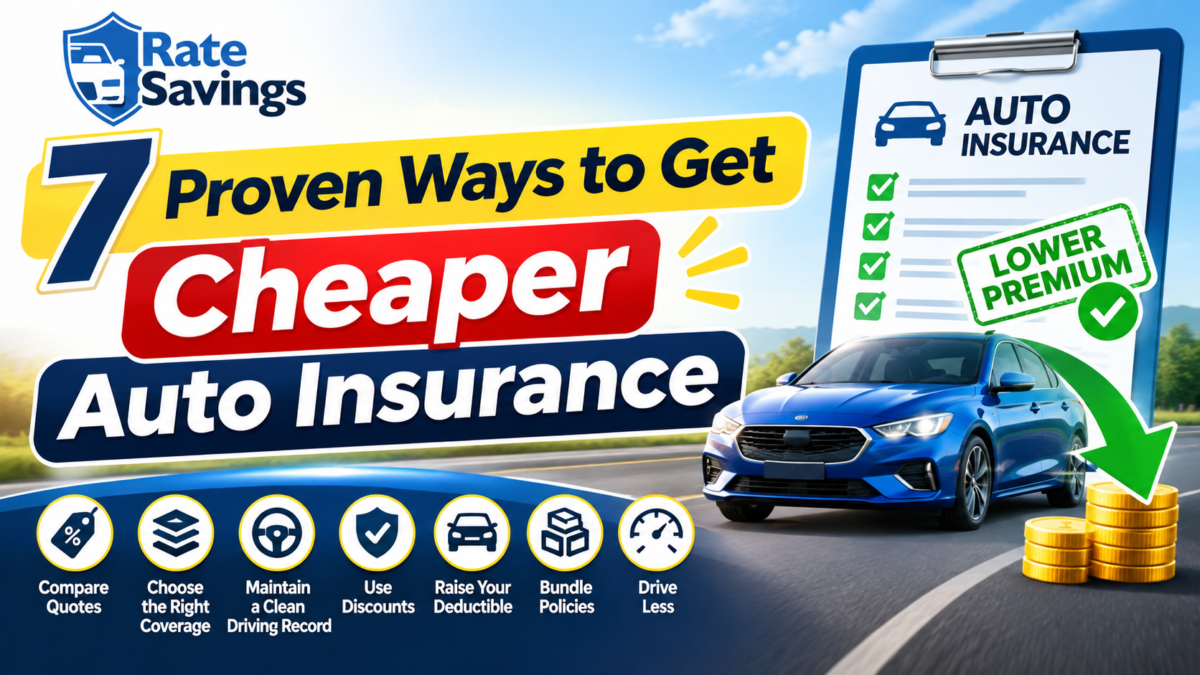
In this article, we will explore seven proven ways to get cheaper auto insurance while maintaining the protection you need.
1. Compare Quotes From Multiple Insurance Companies
One of the easiest ways to find affordable auto insurance is to compare quotes from different insurance providers. Insurance companies use different methods to calculate premiums, which means the same driver and vehicle may receive different price offers from different insurers.
Instead of accepting the first quote you receive, take time to research multiple companies and compare their policies.
When comparing auto insurance quotes, consider:
- Monthly and annual premium costs.
- Coverage limits and policy benefits.
- Deductibles and out-of-pocket expenses.
- Customer service and claims handling.
- Available discounts and additional benefits.
Make sure you compare policies with similar coverage limits. A cheaper policy may not always provide sufficient financial protection.
2. Maintain a Clean Driving Record
Your driving history plays an important role in determining your auto insurance premium. Drivers with fewer accidents, traffic violations, and insurance claims are generally considered lower-risk customers by insurance companies.
Maintaining a clean driving record can help you qualify for better insurance rates and safe-driver discounts.
Here are some practical ways to improve your driving habits:
- Follow traffic laws and speed limits.
- Avoid distracted driving, especially while using a mobile phone.
- Maintain a safe distance from other vehicles.
- Never drive under the influence of alcohol or drugs.
- Complete an approved defensive driving course if eligible.
Safe driving not only protects your life and vehicle but may also help you save money on auto insurance over time.
3. Ask About Available Auto Insurance Discounts
Many insurance companies offer discounts that can help drivers reduce their premiums. However, some discounts are not automatically applied, so it is important to ask your insurance provider which savings opportunities are available.
Depending on the insurer and your eligibility, you may qualify for:
Safe Driver Discount: Drivers with a history of responsible driving may receive reduced premiums.
Multi-Policy Discount: Bundling auto insurance with homeowners or renters insurance may lower your overall insurance costs.
Multi-Vehicle Discount: Insuring multiple vehicles with the same company may provide additional savings.
Low-Mileage Discount: Drivers who travel fewer miles annually may qualify for lower rates.
Student Discount: Some insurers offer discounts to eligible students with good academic performance.
Always review the terms and conditions of each discount to understand its requirements.
4. Choose a Higher Deductible Carefully
A deductible is the amount you must pay out of pocket before your insurance company covers an eligible claim.
In many cases, choosing a higher deductible can reduce your monthly or annual insurance premium. For example, a policy with a $1,000 deductible may cost less than a similar policy with a $500 deductible.
However, selecting a higher deductible means you will have to pay more if an accident or covered incident occurs.
Before increasing your deductible, consider:
- Your monthly budget.
- Your emergency savings.
- Your vehicle’s current market value.
- Your ability to cover unexpected repair expenses.
Choose a deductible that offers a reasonable balance between affordable premiums and manageable out-of-pocket costs.
5. Review Your Coverage and Remove Unnecessary Add-Ons
Your insurance needs may change over time. For example, an older vehicle may not require the same level of coverage as a brand-new car.
Reviewing your existing policy can help you identify coverage options or additional features that may no longer be necessary.
Consider reviewing:
- Roadside assistance coverage.
- Rental car reimbursement.
- Extended replacement coverage.
- Optional accessories and equipment protection.
- Comprehensive and collision coverage.
However, do not remove important coverage simply to lower your premium. If you have a car loan or lease, your lender may require specific coverage. You should also consider your vehicle’s value and your financial ability to replace or repair it.
The goal is to pay for the protection you actually need rather than unnecessary extras.
6. Improve Your Credit Profile Where Applicable
In some countries and states, insurance companies may use credit-based insurance scores when calculating auto insurance premiums. A stronger credit profile may help eligible drivers qualify for better rates.
If credit-based insurance scoring is permitted where you live, improving your financial habits may help reduce your insurance costs over time.
Consider these steps:
- Pay your bills on time.
- Reduce outstanding credit card balances.
- Avoid unnecessary credit applications.
- Check your credit report for errors.
- Maintain responsible financial habits.
It is important to remember that insurance companies do not use credit information in the same way everywhere. Some jurisdictions restrict or prohibit its use when setting auto insurance rates.
7. Reassess Your Auto Insurance Policy Every Year
One common mistake drivers make is automatically renewing their existing insurance policy without checking whether better options are available.
Insurance premiums can change because of market conditions, vehicle value, driving history, and company pricing strategies.
Reviewing your policy annually gives you an opportunity to identify potential savings and make sure your coverage still meets your needs.
Before renewing your policy:
- Request updated quotes from different insurers.
- Check whether you qualify for new discounts.
- Review your current coverage limits.
- Confirm that your vehicle information is accurate.
- Ask your insurer about available renewal offers.
Even if you are satisfied with your current insurance provider, comparing prices can help you negotiate a better deal.
Additional Tips to Reduce Your Car Insurance Costs
Apart from these seven strategies, a few additional habits may help you manage your auto insurance expenses more effectively.
Choose Your Vehicle Wisely: Some vehicles are more expensive to insure because of their repair costs, safety features, theft rates, or replacement parts. Research insurance costs before purchasing a new car.
Consider Usage-Based Insurance: Some companies offer programs that calculate premiums based on driving behavior or mileage. Responsible drivers may qualify for savings, depending on the program.
Avoid Small Claims When Practical: If a minor repair costs less than or only slightly more than your deductible, paying for it yourself may sometimes be financially reasonable. However, consider your policy requirements and circumstances before making this decision.
Maintain Continuous Coverage: Avoid unnecessary gaps in insurance coverage. A continuous insurance history may help you qualify for better rates with certain insurers.
Common Mistakes to Avoid When Buying Cheap Auto Insurance
Finding affordable insurance is important, but choosing the cheapest policy without understanding its limitations can create financial problems later.
Avoid these common mistakes:
- Choosing insufficient liability coverage.
- Ignoring policy exclusions and limitations.
- Selecting a deductible you cannot afford.
- Failing to compare multiple insurance quotes.
- Providing incorrect information on your application.
- Overlooking available discounts.
- Ignoring customer reviews and claims service quality.
Remember that the best auto insurance policy is not necessarily the cheapest one. It is the policy that offers reliable protection at a price that fits your budget.
Frequently Asked Questions (FAQs)
1. What is the cheapest way to get auto insurance?
Comparing quotes from multiple insurance providers is one of the most effective ways to find affordable auto insurance. You can also explore available discounts, maintain a clean driving record, and review your coverage options.
2. Does a clean driving record lower auto insurance rates?
Yes. Many insurance companies offer lower premiums or safe-driver discounts to drivers with fewer accidents and traffic violations. Eligibility and savings vary by insurer.
3. Can increasing my deductible reduce my insurance premium?
Yes. Choosing a higher deductible may reduce your premium. However, you will need to pay more out of pocket when filing an eligible claim.
4. How often should I compare auto insurance quotes?
It is generally a good idea to compare auto insurance quotes at least once a year, particularly before your policy renewal date.
5. Are cheap auto insurance policies reliable?
They can be reliable, but price should not be your only consideration. Always check coverage limits, exclusions, deductibles, customer service, and the insurer’s claims process before purchasing a policy.
6. Can I get discounts on auto insurance?
Many insurers offer discounts for safe driving, multiple vehicles, bundled policies, low mileage, and other qualifying factors. Contact your insurance provider to learn which discounts are available.
Conclusion
Getting cheaper auto insurance does not have to mean compromising your financial protection. By comparing insurance quotes, maintaining a clean driving record, taking advantage of discounts, choosing an appropriate deductible, and reviewing your policy regularly, you can find opportunities to reduce your insurance expenses.
The most important step is to understand your coverage needs and make informed decisions. Every driver has different circumstances, so the right insurance strategy will depend on your vehicle, driving habits, location, and budget.
Start reviewing your current policy today, compare available options, and choose an auto insurance plan that provides the right balance of affordability and protection.
A little research today can help you save money and drive with greater peace of mind tomorrow.