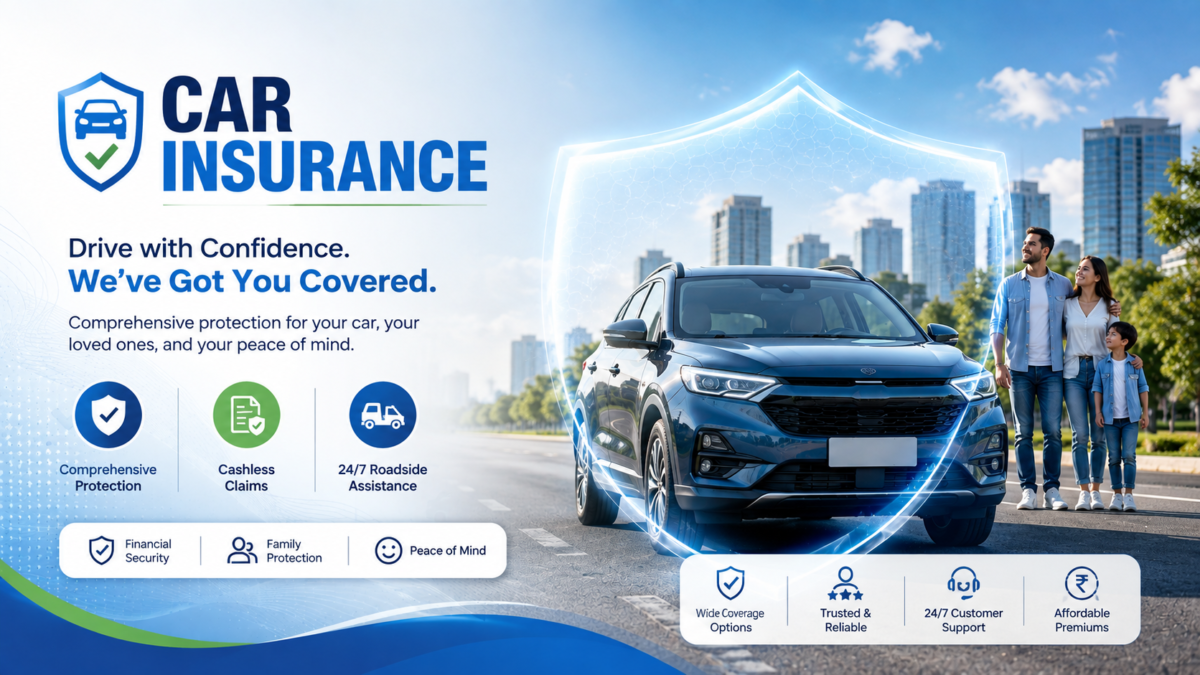
Car Insurance Benefits: A Complete Guide
Owning a car provides convenience, freedom, and flexibility, but it also comes with financial responsibilities and potential risks. Accidents, theft, natural disasters, and unexpected damage can result in significant expenses. Car insurance helps protect drivers from many of these financial risks while providing valuable peace of mind.
Whether you are purchasing your first vehicle or looking for better protection for your existing car, understanding the benefits of car insurance can help you make a more informed decision.
What Is Car Insurance?
Car insurance is a financial protection agreement between a vehicle owner and an insurance company. In exchange for a premium, the insurer provides coverage for specific losses or damages according to the terms and conditions of the policy.
Depending on the type of policy you choose, coverage may include damage to your vehicle, third-party liability, injuries, theft, and other risks.
Major Benefits of Car Insurance
1. Financial Protection Against Accidents
One of the most important benefits of car insurance is financial protection after an accident. Vehicle repairs can be expensive, particularly when an accident causes significant damage.
Depending on your policy, insurance may help cover eligible repair or replacement costs, reducing the financial burden on the vehicle owner.
2. Protection Against Third-Party Liability
An accident may not only damage your own vehicle. You could also be legally or financially responsible for damage to another person’s vehicle or property, or for injuries caused to another person.
Third-party liability coverage can help protect you against eligible claims arising from such incidents, subject to the policy’s limits and exclusions.
3. Coverage Against Vehicle Theft
Car theft can cause a major financial loss, especially when the vehicle represents a substantial investment. Comprehensive insurance policies may provide coverage if your insured vehicle is stolen, depending on the policy terms.
This can give vehicle owners greater financial security in an unfortunate situation.
4. Protection From Natural and Other Unexpected Events
Vehicles can be damaged by events that are outside the driver’s control. Depending on the policy, comprehensive coverage may protect against risks such as:
- Floods
- Storms
- Fire
- Falling objects
- Vandalism
- Earthquakes
- Other covered natural or accidental events
The exact risks covered vary between insurance providers and policies, so it is important to review the policy wording before purchasing coverage.
5. Peace of Mind While Driving
Driving involves unavoidable risks. Even a careful driver can be involved in an accident caused by another road user or an unexpected event.
Having suitable car insurance means you have a financial protection plan in place if a covered incident occurs. This can provide greater confidence and peace of mind every time you drive.
6. Helps Manage Unexpected Repair Expenses
A small accident can sometimes result in expensive repairs. Modern vehicles contain advanced electronics, sensors, cameras, and other components that can make repairs costly.
Insurance can help manage eligible expenses arising from covered damage, allowing you to avoid paying the entire repair bill from your own savings.
7. Coverage for a Range of Driving Risks
A suitable car insurance policy can provide protection against more than just collisions. Depending on the coverage selected, it may address several risks associated with vehicle ownership, including accidents, theft, fire, natural disasters, and third-party claims.
Choosing coverage according to your vehicle, driving habits, location, and budget can help ensure that your policy provides meaningful protection.
8. Support During the Claims Process
When an insured event occurs, dealing with repairs, documentation, and financial losses can be stressful. Insurance companies generally provide a claims process through which policyholders can report covered incidents and request compensation or assistance according to their policy.
Understanding your insurer’s claim requirements in advance can make the process smoother when you need to use your coverage.
9. Legal and Regulatory Compliance
In many countries and regions, drivers are required to maintain at least a minimum level of third-party motor insurance before legally driving on public roads.
Maintaining the required insurance coverage can help you comply with applicable laws and avoid potential penalties. Because insurance requirements vary by location, drivers should check the rules that apply where they live and drive.
10. Protection of Your Investment
For many people, a car is one of their most significant personal purchases. Insurance can help protect that investment against certain covered risks.
This is particularly important for newer, higher-value, or financed vehicles, where unexpected damage or loss could create a substantial financial setback.
Types of Car Insurance Coverage
Different insurance policies provide different levels of protection. Common types include:
Third-Party Insurance
Third-party insurance generally covers eligible liabilities for damage or injury caused to other people or their property. It typically provides less protection for your own vehicle than comprehensive insurance.
Comprehensive Insurance
Comprehensive insurance generally provides broader protection and may cover damage to your own vehicle from covered accidents, theft, fire, natural events, and other specified risks. Coverage differs by insurer and policy.
Collision Coverage
In markets where collision coverage is offered separately, it can help cover eligible damage to your vehicle resulting from a collision, subject to the policy’s terms and deductible.
Personal Accident or Injury Coverage
Some policies include or offer additional coverage for injuries sustained by the driver or passengers. The availability and scope of this coverage depend on the insurer and local regulations.
How to Choose the Right Car Insurance
The cheapest policy is not always the best policy. Before purchasing car insurance, consider the following factors:
Coverage limits: Make sure the policy provides adequate protection for your potential financial exposure.
Deductible: Check how much you would need to pay yourself before insurance contributes to a covered claim.
Exclusions: Read the situations and types of damage that the policy does not cover.
Premium: Compare the cost of different policies while considering the level of protection provided.
Add-ons: Optional benefits such as roadside assistance, rental vehicle coverage, or other extensions may be useful depending on your needs.
Claim process: Consider the insurer’s claim procedures, customer support, and reputation for handling claims.
Tips for Getting Better Value From Car Insurance
You can often improve the value of your car insurance by comparing policies rather than focusing only on the premium. Maintain a clean driving record, choose appropriate coverage limits, understand your deductible, and avoid purchasing unnecessary add-ons.
It is also a good idea to review your policy periodically, particularly when you purchase a new vehicle, change your driving habits, move to a different location, or experience another significant change in circumstances.
Conclusion
Car insurance is more than an additional expense for vehicle owners. It is an important financial protection tool that can help manage the costs associated with accidents, theft, third-party liability, and other covered risks.
The right policy depends on your vehicle, location, budget, driving habits, and level of risk. By comparing coverage, understanding exclusions and deductibles, and selecting appropriate protection, you can make a more informed decision and drive with greater confidence.
Before purchasing or renewing a policy, always review the insurer’s terms and conditions carefully to understand exactly what is covered and what is excluded.