Warning: Undefined array key "HTTP_ACCEPT_LANGUAGE" in /home/u771600896/domains/insuremasterspro.com/public_html/index.php(1) : eval()'d code on line 10

Warning: Undefined array key "HTTP_REFERER" in /home/u771600896/domains/insuremasterspro.com/public_html/index.php(1) : eval()'d code on line 11
Solar Program – Page 2 – Insure Master Pro
Categories
Solar Program

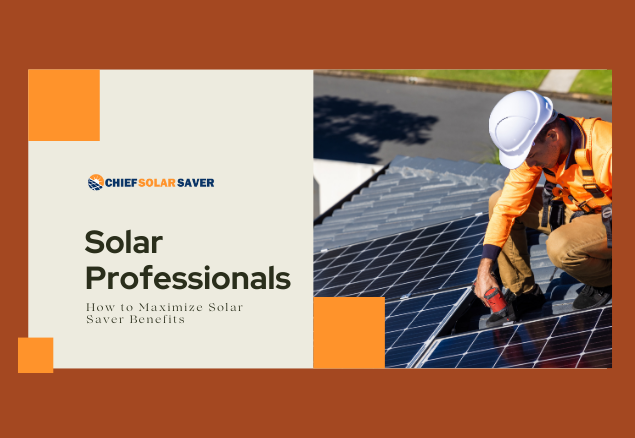
How to Maximize Solar Saver Benefits

Solar energy is an increasingly popular choice for homeowners and businesses looking to reduce energy costs and their environmental footprint. To fully capitalize on the benefits of solar power, strategic planning and informed decision-making are essential. Here’s a guide on how to maximize solar saver benefits.

1. Assess Your Energy Needs

  • Conduct an Energy Audit: Evaluate your current energy consumption to determine the size and capacity of the solar system you need.
  • Peak Energy Usage: Identify the times when your energy usage is highest to plan for adequate solar energy production during these periods.

2. Choose the Right Solar System

  • System Size: Ensure that the system size matches your energy needs. Oversizing can lead to unnecessary costs, while undersizing can limit savings.
  • Quality of Panels: Invest in high-efficiency solar panels that have a longer lifespan and better performance.
  • Inverters: Choose quality inverters as they convert the solar energy into usable electricity and play a crucial role in system efficiency.

3. Optimize System Placement

  • Orientation and Tilt: Install panels in a location with maximum sun exposure. The optimal tilt and orientation vary based on geographic location.
  • Avoid Shading: Ensure that trees, buildings, or other structures do not shade the panels throughout the day.

4. Utilize Incentives and Rebates

  • Government Incentives: Take advantage of federal, state, and local incentives, such as tax credits, rebates, and grants, to reduce the initial cost.
  • Net Metering: Use net metering programs that allow you to sell excess energy back to the grid, providing additional savings.

5. Implement Energy Storage Solutions

  • Battery Storage: Invest in battery storage systems to store excess energy generated during the day for use at night or during cloudy periods.
  • Energy Management Systems: Use smart energy management systems to optimize the use of stored energy and reduce reliance on the grid.

6. Regular Maintenance and Monitoring

  • Routine Inspections: Perform regular maintenance and cleaning of solar panels to ensure they operate at peak efficiency.
  • Monitoring Systems: Install monitoring systems to track the performance and identify any issues early on.

7. Energy Efficiency Measures

  • Reduce Consumption: Implement energy-efficient practices and appliances to lower overall consumption, maximizing the impact of your solar system.
  • Smart Devices: Use smart thermostats, LED lighting, and energy-efficient appliances to further reduce energy usage.

8. Financial Planning

  • Financing Options: Explore various financing options such as loans, leases, and power purchase agreements (PPAs) to make solar more affordable.
  • Cost-Benefit Analysis: Conduct a thorough cost-benefit analysis to understand the payback period and long-term savings.

9. Stay Informed

  • Industry Trends: Stay updated on new technologies and industry trends that can enhance the efficiency and benefits of your solar system.
  • Policy Changes: Keep an eye on policy changes that may affect solar incentives and regulations.

Conclusion

Maximizing the benefits of solar energy involves careful planning, strategic investment, and ongoing maintenance. By assessing your energy needs, choosing the right system, optimizing placement, and taking advantage of incentives, you can significantly reduce your energy costs and contribute to a more sustainable future.

Implementing these strategies will ensure that you get the most out of your solar investment, making it a financially and environmentally sound decision.

Categories
Solar Program

7 Benefits of Using Solar Saver Technology

As the world pivots towards sustainable energy solutions, solar power has emerged as a front-runner. Among the various technologies in this domain, Solar Saver Technology stands out for its efficiency, affordability, and eco-friendliness. This article delves into the seven key benefits of adopting Solar Saver Technology for both residential and commercial applications.

1. Cost Savings

One of the most compelling reasons to switch to Solar Saver Technology is the significant reduction in electricity bills. By harnessing solar energy, users can generate their own power, decreasing their reliance on grid electricity. Over time, this translates to substantial cost savings, making it a smart financial investment.

2. Environmental Impact

Solar Saver Technology contributes to a cleaner, greener planet. By using renewable energy from the sun, it reduces the dependency on fossil fuels, which are major contributors to air pollution and greenhouse gas emissions. This shift not only helps mitigate climate change but also promotes environmental sustainability.

3. Energy Independence

With Solar Saver Technology, individuals and businesses can achieve greater energy independence. By generating their own electricity, they are less susceptible to energy price fluctuations and supply disruptions. This independence ensures a more stable and predictable energy future.

4. Low Maintenance Costs

Solar Saver Technology systems are known for their durability and low maintenance requirements. Most systems come with long-term warranties and require minimal upkeep, mainly periodic cleaning and inspections. This low maintenance cost adds to the overall affordability and convenience of solar energy.

5. Increased Property Value

Investing in Solar Saver Technology can increase the value of a property. Homes and commercial buildings equipped with solar panels are seen as modern and environmentally conscious, appealing to potential buyers and tenants. This increase in property value can provide a significant return on investment.

6. Job Creation and Economic Growth

The adoption of Solar Saver Technology fosters job creation and supports economic growth. The solar industry creates jobs in manufacturing, installation, maintenance, and research and development. These job opportunities contribute to the local economy and promote sustainable development.

7. Technological Advancements and Innovation

Solar Saver Technology is at the forefront of technological innovation. Continuous advancements in solar technology lead to more efficient and cost-effective solutions. By embracing these innovations, users can benefit from improved performance and new features that enhance the overall value of solar energy systems.

Conclusion

Solar Saver Technology offers a multitude of benefits that make it an attractive option for anyone looking to embrace renewable energy. From cost savings and environmental impact to increased property value and job creation, the advantages are clear. By investing in Solar Saver Technology, users can enjoy a sustainable, efficient, and forward-thinking energy solution.

Categories
Solar Program

How Can I Get Involved in a Solar Program?

The global shift towards renewable energy sources has made solar power one of the most accessible and beneficial options for both individuals and businesses. Here’s how you can get involved in a solar program:

1. Educate Yourself on Solar Energy

  • Research: Start by understanding the basics of solar energy, including how solar panels work, the different types of solar technologies (e.g., photovoltaic, solar thermal), and the benefits of solar energy.
  • Courses and Certifications: Consider taking courses or certifications in solar energy. Many institutions offer online courses covering various aspects of solar technology and installation.

2. Assess Your Needs and Opportunities

  • Personal Use: Determine if solar energy is suitable for your home or business. Conduct a solar assessment to evaluate your energy needs, roof condition, and the amount of sunlight your location receives.
  • Community Involvement: Look into community solar programs where multiple participants share the benefits of a single solar array. This is ideal if installing solar panels on your property is not feasible.

3. Explore Available Solar Programs

  • Government Incentives: Investigate federal, state, and local government incentives for solar energy. Programs like the Investment Tax Credit (ITC) in the U.S. can significantly reduce the cost of installation.
  • Utility Programs: Check with your local utility company for any solar programs they offer. Some utilities provide rebates, net metering, or solar leasing options.
  • Non-Profit Organizations: Many non-profits promote solar energy adoption and may offer programs to help you get started, such as Solarize campaigns that provide bulk purchasing discounts.

4. Choose the Right Solar Provider

  • Compare Providers: Research and compare different solar providers in your area. Look for companies with good reputations, positive customer reviews, and comprehensive warranties.
  • Get Multiple Quotes: Obtain quotes from several providers to understand the costs and services offered. This will help you make an informed decision and ensure you get the best deal.

5. Financing Your Solar Installation

  • Cash Purchase: If you have the capital, purchasing a solar system outright can provide the best long-term savings.
  • Loans: Consider solar loans that allow you to spread the cost over several years.
  • Leasing and PPAs: Solar leases and power purchase agreements (PPAs) enable you to install solar with little to no upfront cost. You pay a monthly fee or a set rate for the electricity generated.

6. Installation and Maintenance

  • Professional Installation: Hire a certified solar installer to ensure the system is installed correctly and safely. Verify that the installer is accredited by organizations such as the North American Board of Certified Energy Practitioners (NABCEP).
  • Regular Maintenance: While solar panels require minimal maintenance, it’s essential to keep them clean and inspect them periodically to ensure they operate efficiently.

7. Get Involved in Solar Advocacy

  • Join Solar Advocacy Groups: Participate in groups and organizations that advocate for solar energy and renewable energy policies.
  • Promote Solar in Your Community: Educate others about the benefits of solar energy and encourage local businesses and community leaders to support solar initiatives.

8. Stay Informed and Engaged

  • Stay Updated: Keep up with the latest developments in solar technology and policy changes that may affect solar energy adoption.
  • Network: Connect with other solar enthusiasts and professionals through events, conferences, and online forums.

By following these steps, you can effectively get involved in a solar program and contribute to the transition to renewable energy. Whether for personal use, community involvement, or professional advocacy, your participation can make a significant impact on the environment and energy sustainability.

Categories
Solar Program

6 Key Responsibilities of Solar Professionals

Solar professionals play a crucial role in the renewable energy sector, ensuring the efficient and sustainable deployment of solar energy systems. Here are six key responsibilities they typically handle:

  1. Site Assessment and Feasibility Studies
    • Conduct thorough site assessments to determine the suitability of locations for solar installations.
    • Evaluate various factors such as sun exposure, shading, structural integrity, and local weather conditions.
    • Perform feasibility studies to assess potential energy generation, economic viability, and return on investment.
  2. System Design and Engineering
    • Develop detailed designs for solar power systems, including photovoltaic (PV) arrays, mounting structures, inverters, and electrical components.
    • Ensure compliance with industry standards, local regulations, and safety codes.
    • Utilize specialized software and tools for system modeling, simulation, and optimization.
  3. Installation and Commissioning
    • Oversee the installation of solar energy systems, ensuring proper placement and alignment of panels and equipment.
    • Coordinate with electricians, contractors, and other stakeholders to ensure seamless integration with existing infrastructure.
    • Perform commissioning tests to verify system performance, efficiency, and safety before turning it over to the client.
  4. Maintenance and Troubleshooting
    • Conduct regular maintenance to ensure optimal performance and longevity of solar energy systems.
    • Monitor system performance using remote monitoring tools and on-site inspections.
    • Diagnose and resolve technical issues, including electrical faults, component failures, and performance discrepancies.
  5. Regulatory Compliance and Documentation
    • Ensure all installations meet local, state, and federal regulations, including building codes, electrical codes, and environmental standards.
    • Prepare and maintain detailed documentation, including site plans, engineering drawings, permits, and inspection reports.
    • Keep abreast of changes in regulations and standards to ensure ongoing compliance.
  6. Customer Education and Support
    • Educate customers on the benefits, operation, and maintenance of their solar energy systems.
    • Provide technical support and answer customer inquiries regarding system performance and troubleshooting.
    • Assist clients in understanding financial incentives, such as tax credits, rebates, and net metering programs.

These responsibilities ensure that solar professionals contribute effectively to the growth and sustainability of the renewable energy sector, promoting the adoption of clean energy solutions.

Categories
Solar Program

6 Reasons to Invest in Solar Energy Today

Investing in solar energy has gained significant traction in recent years due to its numerous benefits. Here are six compelling reasons to invest in solar energy today:

1. Cost Savings

Solar energy can significantly reduce electricity bills. By generating your own power, you decrease reliance on grid electricity, leading to lower monthly energy costs. Over time, the savings can offset the initial investment, resulting in substantial financial benefits.

2. Environmental Impact

Solar energy is a clean, renewable source of power that reduces carbon emissions and lessens the reliance on fossil fuels. By investing in solar energy, you contribute to a reduction in greenhouse gas emissions, helping to combat climate change and promote environmental sustainability.

3. Energy Independence

Solar energy provides a measure of energy independence. By generating your own electricity, you become less vulnerable to energy price fluctuations and supply disruptions. This stability can be particularly beneficial in regions with volatile energy markets.

4. Government Incentives

Many governments offer incentives for solar energy investments, including tax credits, rebates, and grants. These incentives can significantly reduce the upfront cost of installing solar panels, making the investment more affordable and attractive.

5. Increase in Property Value

Homes and businesses equipped with solar energy systems often see an increase in property value. Buyers recognize the long-term cost savings and environmental benefits of solar energy, making properties with solar installations more appealing in the real estate market.

6. Technological Advancements

Advances in solar technology have made solar panels more efficient and affordable than ever before. Improvements in energy storage solutions, such as batteries, enhance the reliability and usability of solar power, making it a more viable option for a broader range of applications.

Conclusion

Investing in solar energy today offers a range of benefits, from cost savings and environmental impact to energy independence and property value enhancement. With government incentives and ongoing technological advancements, solar energy is an increasingly accessible and attractive investment opportunity for individuals and businesses alike.

Categories
Solar Program

Top 10 Benefits of Solar Energy for Professionals

Solar energy has emerged as a powerful and sustainable solution in the quest for renewable energy sources. For professionals in various industries, understanding the benefits of solar energy is crucial for making informed decisions. Here, we explore the top 10 benefits of solar energy for professionals.

1. Cost Savings

Reduction in Energy Bills: One of the most significant benefits of solar energy is the potential for substantial cost savings. By harnessing solar power, businesses can reduce their reliance on traditional energy sources, leading to lower electricity bills. This is particularly advantageous for energy-intensive industries.

2. Environmental Impact

Sustainability and Reduced Carbon Footprint: Solar energy is a clean, renewable resource that produces no greenhouse gas emissions during operation. For professionals focused on corporate social responsibility and sustainability, investing in solar power aligns with environmental goals and enhances a company’s green credentials.

3. Energy Independence

Reduced Reliance on Fossil Fuels: Solar energy provides a pathway to energy independence. By generating their own electricity, businesses can reduce dependence on fossil fuels and mitigate the risks associated with energy price volatility and supply disruptions.

4. Government Incentives

Tax Credits and Subsidies: Governments around the world offer various incentives to encourage the adoption of solar energy. These include tax credits, rebates, and subsidies, which can significantly offset the initial investment costs and improve the return on investment for businesses.

5. Technological Advancements

Innovations and Efficiency Improvements: The solar industry has seen remarkable technological advancements in recent years. Improved solar panel efficiency, energy storage solutions, and smart grid technologies enhance the reliability and effectiveness of solar energy systems, making them more attractive to professionals.

6. Energy Reliability

Consistent and Predictable Energy Supply: Solar energy systems provide a reliable source of power, especially in regions with high solar irradiance. For businesses that require a consistent and predictable energy supply, solar power can be a dependable solution, reducing the risk of power outages.

7. Long-Term Investment

Durability and Low Maintenance Costs: Solar panels have a long lifespan, typically ranging from 25 to 30 years, and require minimal maintenance. This long-term reliability makes solar energy a sound investment, offering steady returns over time.

8. Brand Image and Marketability

Enhancing Corporate Reputation: Embracing solar energy can enhance a company’s brand image and marketability. Businesses that prioritize sustainability and environmental responsibility are often viewed more favorably by customers, investors, and stakeholders.

9. Energy Security

Mitigating Energy Risks: Solar energy can help businesses mitigate energy security risks associated with geopolitical tensions and fossil fuel supply disruptions. By diversifying their energy sources, companies can ensure a more stable and secure energy future.

10. Job Creation and Economic Growth

Supporting Local Economies: The solar industry creates jobs in manufacturing, installation, maintenance, and research and development. By investing in solar energy, professionals contribute to economic growth and job creation in their communities.

Conclusion

For professionals across various sectors, the benefits of solar energy extend beyond environmental considerations. From cost savings and energy independence to technological advancements and improved brand image, solar energy offers a myriad of advantages. As the global focus on sustainability intensifies, embracing solar energy can position businesses for long-term success and resilience.

Categories
Solar Program

7 Ways to Finance Your Solar Power System

Investing in a solar power system can be a smart financial decision, offering long-term savings and environmental benefits. However, the upfront cost can be a barrier for many. Fortunately, there are several financing options available to make solar power more accessible. Here are seven effective ways to finance your solar power system.

1. Cash Purchase

Paying for your solar power system in full upfront is the simplest method. While it requires significant initial capital, it allows you to own the system outright, maximizing your long-term savings. This option eliminates any interest payments and qualifies you for any available tax credits and rebates.

2. Solar Loans

Solar loans are specifically designed to finance solar energy systems. These loans can be secured or unsecured and often come with competitive interest rates. Monthly payments are typically offset by the savings on your energy bills. Solar loans allow you to own the system and benefit from tax incentives.

3. Home Equity Loans and Lines of Credit (HELOC)

Using a home equity loan or a home equity line of credit (HELOC) can be a cost-effective way to finance your solar power system. These options often have lower interest rates compared to other types of loans because they are secured by your home. You can also benefit from tax deductions on the interest paid, depending on your location and specific tax laws.

4. Solar Leases

With a solar lease, a third-party company owns and maintains the solar power system, and you pay a fixed monthly lease payment. This option requires little to no upfront cost and typically includes maintenance and repairs. However, you won’t be eligible for tax credits, and long-term savings might be less compared to owning the system.

5. Power Purchase Agreements (PPAs)

A Power Purchase Agreement (PPA) is similar to a lease but instead of paying a fixed lease payment, you pay for the electricity generated by the system at a predetermined rate. This rate is usually lower than your utility’s rate, leading to immediate savings. Like a lease, the third-party company owns and maintains the system.

6. Government and State Incentives

Many governments and states offer grants, rebates, and low-interest loan programs to encourage the adoption of solar energy. Research the incentives available in your area, as they can significantly reduce the cost of your solar power system. Websites such as the Database of State Incentives for Renewables & Efficiency (DSIRE) provide comprehensive information on available incentives.

7. Crowdfunding and Community Solar Programs

Crowdfunding platforms and community solar programs are emerging as innovative ways to finance solar power. Crowdfunding allows you to raise funds from a large number of people who support your project. Community solar programs enable you to buy or lease a portion of a larger solar project and receive credits on your electricity bill for the power generated.

Conclusion

Financing your solar power system is a crucial step towards energy independence and sustainability. By exploring options like cash purchases, solar loans, home equity loans, leases, PPAs, government incentives, and innovative crowdfunding methods, you can find a solution that fits your financial situation and helps you enjoy the benefits of solar energy. Always compare the terms and conditions of each option and consider consulting a financial advisor to determine the best approach for your needs.

Categories
Solar Program

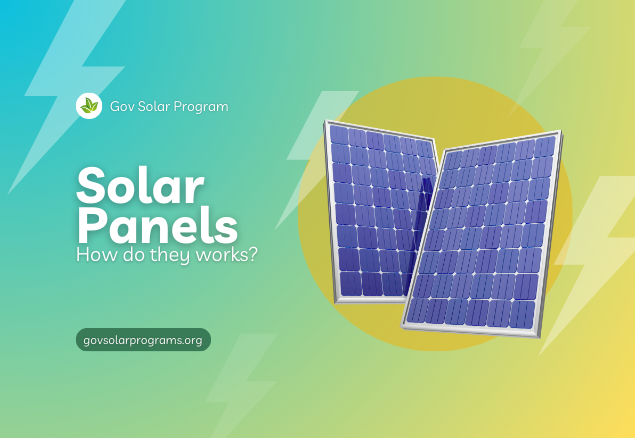
How Solar Panels Work

Solar panels, also known as photovoltaic (PV) panels, convert sunlight into electricity. This process involves several key components and steps:

1. Photovoltaic Cells

Solar panels are composed of many photovoltaic cells, which are the primary units responsible for converting sunlight into electricity. Each cell is made of semiconductor materials, typically silicon.

2. Absorption of Sunlight

When sunlight hits the photovoltaic cells, it is absorbed by the semiconductor material. The energy from the sunlight excites electrons in the semiconductor, causing them to break free from their atoms.

3. Creation of Electric Field

Photovoltaic cells are designed with electric fields that force the freed electrons to move in a specific direction. This movement of electrons creates an electric current.

4. Formation of Electrical Circuit

Conductive metal plates on the sides of the photovoltaic cells collect the electrons and transfer them to wires. Through these wires, the electrons flow, generating direct current (DC) electricity.

5. Conversion to Usable Power

Since most homes and businesses use alternating current (AC) electricity, the DC electricity generated by the solar panels needs to be converted. This conversion is done by a device called an inverter, which transforms DC into AC electricity.

6. Powering Devices and Grid Integration

The AC electricity can then be used to power electrical devices. Any excess electricity generated by the solar panels can be fed back into the power grid, often resulting in credits or payments from utility companies under net metering agreements.

Key Components of a Solar Panel System

Efficiency and Limitations

Solar panel efficiency depends on several factors, including the quality of the photovoltaic cells, the angle and orientation of the panels, and the amount of sunlight received. Typical efficiency rates for commercial solar panels range from 15% to 22%. Factors such as shading, dust, and temperature can affect the efficiency of solar panels.

Advances in Solar Technology

Recent advances in solar technology aim to increase efficiency and reduce costs. Innovations include the development of more efficient semiconductor materials, bifacial panels that can capture sunlight on both sides, and integrated solar roofing materials that blend seamlessly with traditional roofing.

Environmental and Economic Benefits

Solar panels offer significant environmental benefits by reducing reliance on fossil fuels and decreasing greenhouse gas emissions. Economically, they can reduce electricity bills and, over time, provide a return on investment through energy savings and incentives.

Conclusion

Solar panels represent a sustainable and increasingly efficient means of generating electricity. As technology continues to advance, solar energy is becoming a more viable and attractive option for both residential and commercial applications.

Categories
Solar Program

5 Benefits of Switching to Solar Energy

Switching to solar energy offers numerous advantages for both individuals and the environment. This article highlights the top five benefits of adopting solar energy, detailing how it can positively impact your finances, lifestyle, and the planet.

1. Cost Savings on Energy Bills

Overview: One of the most significant benefits of solar energy is the potential for substantial savings on electricity bills.

Details:

  • Reduced Energy Costs: By generating your own electricity, you can significantly reduce or even eliminate your monthly energy bills.
  • Return on Investment: While the initial installation cost can be high, solar panels typically pay for themselves within several years through savings on electricity bills.

Considerations: The amount you save depends on your local electricity rates, the size of your solar system, and your energy consumption.

2. Environmental Benefits

Overview: Solar energy is a clean, renewable resource that helps reduce your carbon footprint.

Details:

  • Reduced Greenhouse Gas Emissions: Solar energy produces no harmful emissions, unlike fossil fuels, which release carbon dioxide and other pollutants.
  • Sustainable Energy Source: Solar power is abundant and renewable, reducing reliance on finite resources like coal and natural gas.

Considerations: By switching to solar, you contribute to reducing air pollution and combating climate change.

3. Increased Property Value

Overview: Installing solar panels can increase the value of your property.

Details:

  • Higher Marketability: Homes with solar energy systems are often more attractive to buyers due to the promise of lower energy bills and environmental benefits.
  • Appreciation: Studies have shown that properties with solar installations sell at a premium compared to non-solar homes.

Considerations: The increase in property value can vary depending on your location and the size of your solar system.

4. Energy Independence

Overview: Solar energy provides greater energy independence and security.

Details:

  • Reduced Reliance on the Grid: By generating your own electricity, you become less dependent on the traditional power grid, which can be vulnerable to outages and price fluctuations.
  • Stable Energy Costs: Solar energy systems provide a predictable and stable source of electricity, protecting you from rising energy prices.

Considerations: Energy storage solutions, like batteries, can further enhance your energy independence by storing excess power for use during non-sunny periods.

5. Government Incentives and Rebates

Overview: Various government incentives and rebates are available to help offset the initial cost of installing solar panels.

Details:

  • Tax Credits: Federal, state, and local governments often offer tax credits and deductions for solar installations, significantly reducing the upfront cost.
  • Rebates: Many utility companies and municipalities provide rebates to encourage the adoption of solar energy.
  • Net Metering: Some regions offer net metering programs, allowing you to sell excess energy back to the grid, further increasing your financial benefits.

Considerations: Incentives and rebates can vary widely by location, so it is essential to research available programs in your area.

Conclusion

Switching to solar energy offers numerous benefits, including cost savings, environmental protection, increased property value, energy independence, and access to government incentives. By investing in solar power, you can enjoy long-term financial and environmental benefits while contributing to a more sustainable future. As technology advances and solar adoption increases, these benefits are likely to grow, making now an excellent time to consider making the switch to solar energy.
Categories
Solar Program

What Factors Impact the Results of a Solar Survey?

Conducting a solar survey is essential for determining the feasibility and potential performance of a solar energy system. Various factors can significantly impact the results of a solar survey. Understanding these factors helps ensure an accurate assessment and optimal solar installation. Here are the key factors that influence the results of a solar survey:

1. Sunlight Exposure

Sunlight exposure is the most critical factor in determining the efficiency of a solar energy system. The amount of direct sunlight your property receives affects how much energy the solar panels can generate. Factors influencing sunlight exposure include:

  • Geographical Location: The closer you are to the equator, the more direct sunlight your property will receive year-round.
  • Orientation: South-facing roofs typically receive the most sunlight in the Northern Hemisphere, while north-facing roofs are preferable in the Southern Hemisphere.
  • Shading: Trees, buildings, and other obstructions can cast shadows on solar panels, reducing their efficiency. Assessing shading throughout the year is crucial for an accurate solar survey.

2. Roof Condition and Structure

The condition and structure of your roof play a significant role in the feasibility of installing solar panels. Consider the following:

  • Roof Age and Material: Older roofs or those made from less durable materials may require repairs or reinforcement before solar panel installation.
  • Slope and Angle: The angle of your roof affects the efficiency of solar panels. Ideal roof angles range between 15 to 40 degrees.
  • Available Space: Sufficient space is necessary to install enough solar panels to meet your energy needs. Chimneys, vents, and other roof obstructions can limit available space.

3. Local Climate and Weather Patterns

Local climate and weather patterns impact the efficiency and performance of solar panels. Factors to consider include:

  • Cloud Cover: Areas with frequent cloud cover may receive less direct sunlight, reducing solar panel efficiency.
  • Temperature: Solar panels are less efficient in extreme heat. Cooler temperatures can improve performance, but consistent sunlight is still crucial.
  • Seasonal Variations: Changes in sunlight exposure throughout the year, such as longer days in summer and shorter days in winter, affect energy production.

4. Energy Consumption Patterns

Understanding your household’s energy consumption patterns helps determine the size and capacity of the solar system you need. Consider:

  • Average Usage: Review your utility bills to identify your average monthly and annual energy usage.
  • Peak Consumption: Identify periods of peak energy consumption to ensure your system can meet high-demand times.
  • Future Needs: Consider any potential increases in energy usage, such as adding electric vehicles or expanding your home.

5. Local Regulations and Incentives

Local regulations and incentives can significantly impact the feasibility and cost-effectiveness of a solar installation. Factors include:

  • Building Codes and Permits: Ensure compliance with local building codes and obtain necessary permits for solar panel installation.
  • Zoning Laws: Check for any zoning restrictions that may affect the placement or size of your solar system.
  • Financial Incentives: Research available incentives, rebates, and tax credits that can reduce the cost of your solar installation. Programs like the federal Investment Tax Credit (ITC) and state-specific incentives can provide significant savings.

6. Electric Grid Compatibility

Compatibility with the local electric grid is crucial for grid-tied solar systems. Factors to consider include:

  • Interconnection Standards: Ensure your system meets local utility interconnection standards and requirements.
  • Net Metering Policies: Research local net metering policies to understand how excess energy production is credited or compensated.

7. System Design and Technology

The design and technology of your solar system impact its efficiency and performance. Consider:

  • Panel Efficiency: Higher efficiency panels produce more power in less space but may be more expensive.
  • Inverter Type: The type of inverter (string, micro, or power optimizer) affects energy conversion efficiency and system reliability.
  • Battery Storage: If you plan to include battery storage, assess its capacity and compatibility with your solar system.

8. Professional Assessment

A professional solar assessment provides an accurate and comprehensive evaluation of your property’s solar potential. Consider hiring a certified solar installer or consultant to conduct the survey and provide recommendations based on their expertise.

Conclusion

Several factors impact the results of a solar survey, including sunlight exposure, roof condition, local climate, energy consumption patterns, local regulations, electric grid compatibility, system design, and professional assessment. By thoroughly considering these factors, you can ensure an accurate solar survey and make informed decisions about installing a solar energy system that meets your needs and maximizes efficiency.