Categories
Auto Insurance

How to Choose the Right Vehicle Insurance for You

Selecting the right vehicle insurance isn’t just about fulfilling legal requirements—it’s about ensuring financial protection and peace of mind on the road. With a variety of coverage options and providers, choosing the right policy can feel overwhelming. Here’s a step-by-step guide to help you make the best decision for your needs:

1. Assess Your Coverage Needs

Start by evaluating your personal situation—consider the value of your vehicle, how often you drive, and whether you need protection beyond the minimum legal requirements. If your car is new or financed, comprehensive and collision coverage might be necessary.

2. Understand the Types of Coverage

Familiarize yourself with the main types of auto insurance:

3. Compare Multiple Quotes

Insurance premiums can vary widely. Get quotes from several providers and compare them based on coverage, customer service, financial strength, and customer reviews—not just price.

4. Check Discounts and Savings

Many insurers offer discounts for safe driving, bundling policies, low mileage, anti-theft devices, or being claim-free. Take advantage of these to lower your premium.

5. Review Deductibles and Limits

Choose deductibles and coverage limits that suit your budget and risk tolerance. A higher deductible usually lowers your premium, but ensure you can afford it in case of a claim.

6. Evaluate the Insurer’s Reputation

Go beyond cost and review the company’s customer service, claims process, and satisfaction ratings. A cheap policy isn’t worth much if the company is difficult to deal with in emergencies.

7. Read the Fine Print

Carefully read the policy terms to understand what’s covered, what’s excluded, and any additional fees. Don’t hesitate to ask questions before finalizing your policy.


Final Thoughts:
Choosing the right vehicle insurance involves more than just selecting the cheapest option—it’s about finding the best balance between coverage, cost, and service. By doing your research and assessing your personal needs, you can drive confidently knowing you’re well protected.

Categories
Auto Insurance

The Importance of Auto Insurance: A Comprehensive Guide to Protecting Your Vehicle and Financial Well-being

Auto insurance is more than just a legal requirement in many regions—it’s a crucial tool that provides financial protection in the event of accidents, theft, or other unforeseen circumstances. Whether you’re a new driver or a seasoned road warrior, understanding the ins and outs of auto insurance can help you make informed decisions and safeguard your financial future.

What is Auto Insurance?
Auto insurance is a contract between a policyholder and an insurance company. The policyholder pays a premium in exchange for financial protection in the event of an accident, theft, or damage to their vehicle. Insurance coverage can vary widely, depending on the type of policy and the level of protection chosen.

Why Do You Need Auto Insurance?

  1. Legal Requirement: In many countries, driving without auto insurance is illegal. Failing to comply with local laws can result in fines, penalties, and even license suspension.
  2. Financial Protection: In the case of an accident, auto insurance helps cover medical expenses, repair costs, and other damages. Without insurance, the financial burden of accidents can be overwhelming.
  3. Peace of Mind: Knowing that you’re covered in case of an accident or emergency provides peace of mind, allowing you to drive with confidence.

Types of Auto Insurance Coverage

  1. Liability Insurance: This is the most basic form of coverage and is required by law in most regions. It covers the costs of damages and injuries you cause to others in an accident.
  2. Collision Coverage: This covers the cost of repairing or replacing your vehicle if it’s damaged in a collision, regardless of who is at fault.
  3. Comprehensive Coverage: This type of insurance covers damages caused by non-collision events such as theft, vandalism, fire, or natural disasters.
  4. Personal Injury Protection (PIP): PIP covers medical expenses for injuries sustained by the policyholder and their passengers, regardless of who is at fault in the accident.
  5. Uninsured/Underinsured Motorist Coverage: This protects you if you’re involved in an accident with a driver who either doesn’t have insurance or lacks enough coverage to pay for the damages.

Factors That Affect Your Auto Insurance Premium

  1. Driving Record: A clean driving record with no accidents or violations typically results in lower premiums. Conversely, a history of accidents or traffic violations can increase your rates.
  2. Vehicle Type: The make and model of your vehicle influence your premium. Luxury cars, sports cars, and vehicles with high repair costs tend to have higher premiums.
  3. Age and Gender: Younger drivers, especially teenagers, often face higher premiums due to their inexperience behind the wheel. Additionally, gender can impact rates, as statistically, men tend to be involved in more accidents than women.
  4. Location: Where you live can also affect your premium. Urban areas with higher traffic and crime rates often see higher insurance premiums than rural areas.

How to Save on Auto Insurance

  1. Compare Quotes: Shopping around and comparing quotes from different insurers can help you find the best deal.
  2. Bundling Policies: Many insurance companies offer discounts if you bundle your auto insurance with other types of insurance, such as homeowners or renters insurance.
  3. Increase Your Deductible: Raising your deductible can lower your premium, but be sure you can afford the higher out-of-pocket cost in case of an accident.
  4. Maintain a Good Credit Score: In some regions, insurance companies use credit scores to determine premiums. A better credit score may lead to lower rates.

Conclusion
Auto insurance is an essential investment that offers protection and peace of mind. By understanding the different types of coverage, factors that affect your premiums, and strategies to save on your policy, you can make informed decisions that align with your needs and budget. Always review your coverage periodically to ensure you’re adequately protected as your circumstances change.

Categories
Auto Insurance

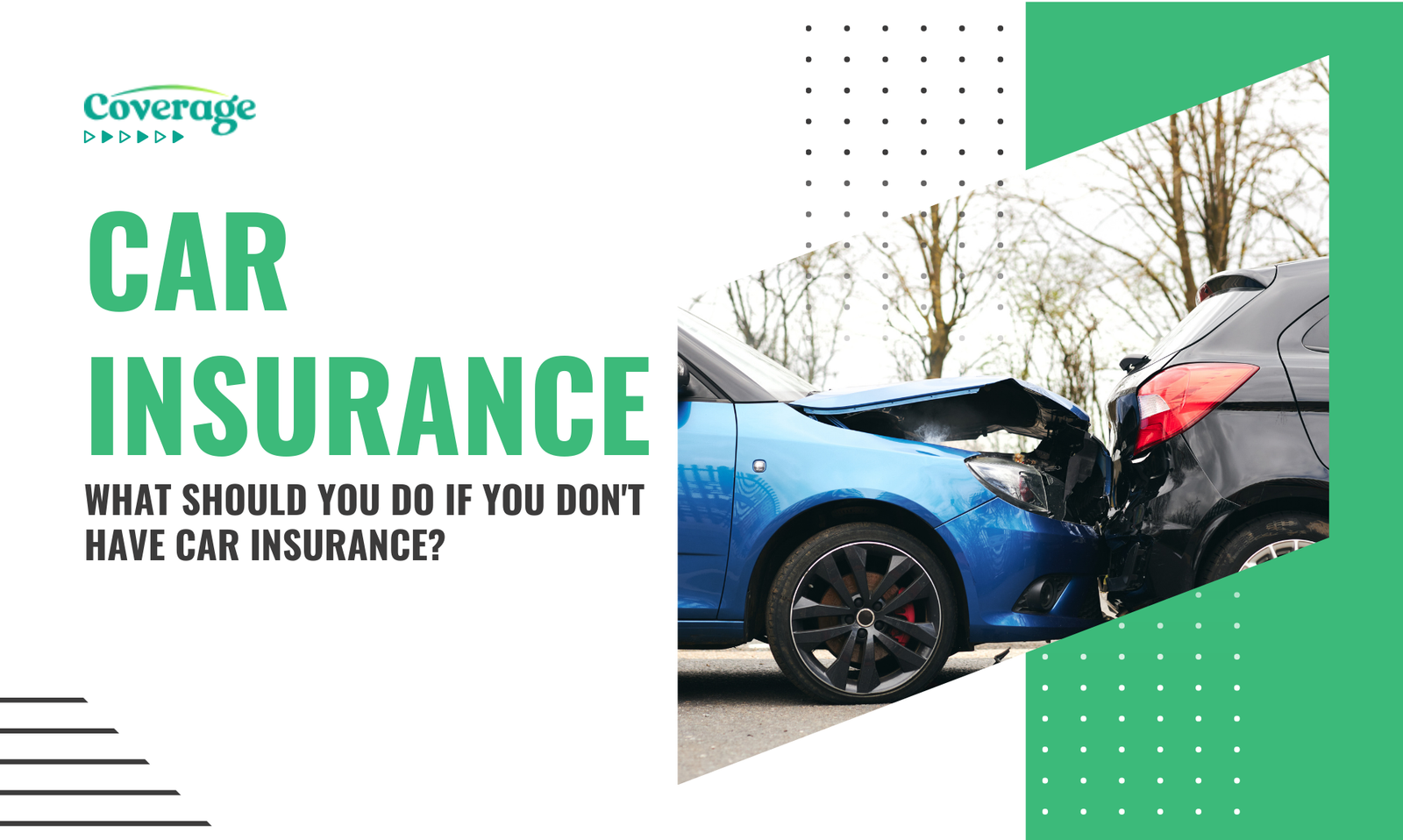
What Should You Do If You Don’t Have Car Insurance?

Car insurance is not just a legal requirement in most countries; it also provides crucial financial protection in the event of an accident, theft, or damage to your vehicle. Driving without car insurance can lead to significant consequences, including fines, penalties, and even the loss of your driver’s license. If you find yourself without car insurance, here’s what you should do to mitigate risks and ensure you’re complying with legal requirements.

1. Understand the Legal Implications

Before you drive without car insurance, it’s important to understand the legal ramifications in your area. Many countries and states require drivers to carry a minimum level of insurance coverage. Failure to comply with these laws can result in fines, the suspension of your driver’s license, and even legal action. In some places, driving without insurance may be considered a criminal offense, with severe consequences.

2. Obtain Insurance as Soon as Possible

If you’re caught driving without insurance, the best course of action is to immediately get coverage. Car insurance policies are available with varying levels of coverage, ranging from liability-only policies to comprehensive plans. It’s advisable to choose a policy that suits your budget and offers sufficient protection for your needs. If you’re unsure about which policy to choose, consult an insurance agent or broker to guide you through the process.

3. Consider Minimum Coverage Policies

If your budget is tight, opt for the minimum coverage required by law in your area. While basic liability coverage may not offer full protection in every scenario, it is better than driving uninsured. The minimum coverage will usually cover damages to other vehicles or injuries caused by an accident for which you are found at fault. However, this type of policy might not cover your vehicle’s repairs or medical bills, so consider additional coverage if possible.

4. Check for Gaps in Existing Coverage

In some cases, you may not need to purchase new insurance if you’re temporarily without coverage. For example, if you recently allowed your policy to lapse or forgot to renew, check with your insurer to see if they can reinstate your policy. Additionally, if you have other types of coverage (such as homeowner’s insurance or health insurance), they may help cover certain aspects of a car accident, though they won’t fully replace car insurance.

5. Explore Temporary Insurance Options

If you’re unable to afford long-term insurance or only need coverage for a short period, look into temporary or short-term car insurance options. These policies are designed for drivers who need coverage for a few days, weeks, or months. Short-term car insurance can be more affordable than a traditional policy and will provide the necessary coverage while you work toward getting a more permanent solution.

6. Avoid Driving Until You Have Insurance

If you are unable to secure car insurance or cannot afford it, it’s best to avoid driving altogether. Driving without insurance not only exposes you to financial risk, but it can also lead to legal issues. If you’re caught driving uninsured, you may face significant penalties, which can include having to pay fines, impounding of your vehicle, and increased insurance premiums in the future.

7. Consider Alternative Transportation

If you are temporarily without car insurance and cannot afford a new policy right away, consider using alternative modes of transportation until you’re able to resolve your situation. Public transportation, ridesharing services, or even carpooling with friends and family can help you get around while avoiding the risks associated with driving uninsured.

8. Seek Financial Assistance or Discounts

Some insurers offer discounts to drivers with a clean driving record or those who take defensive driving courses. If your situation is financially challenging, inquire with insurance companies about potential discounts, payment plans, or low-income options. You may also be eligible for assistance programs through your employer, community organizations, or government initiatives.

9. Know Your Rights if You Are Involved in an Accident

If you are involved in an accident while uninsured, you may still be responsible for the damages caused. However, in some cases, if the other driver is at fault and has insurance, you might be able to recover some of the costs through their policy. Without insurance, though, you could be held liable for medical expenses, repair costs, and even legal fees.

10. Take Preventative Measures to Avoid Future Gaps

To avoid future lapses in coverage, set reminders for policy renewal dates and keep track of your insurance payments. Some insurers even offer automatic payment plans, which can help ensure you don’t miss a renewal date. Additionally, if you’re experiencing financial difficulties, discuss your situation with your insurer, as they may offer flexibility or suggest more affordable options.


Conclusion

Driving without car insurance is risky and can have serious legal and financial consequences. If you find yourself in this situation, it’s crucial to act quickly by obtaining the necessary coverage to protect yourself and others. Whether it’s reinstating an existing policy, securing minimum coverage, or exploring temporary insurance options, taking action is the first step toward ensuring you comply with the law and are safeguarded in the event of an accident.

Categories
Auto Insurance

Compare the Best Auto Insurance Providers and Save Big: A Quick Guide

Auto insurance is a necessary part of car ownership, ensuring that you’re protected financially in the event of an accident, theft, or other unexpected events. With numerous auto insurance providers offering a variety of plans, it can be overwhelming to find the right one for your needs at an affordable price. Fortunately, comparing auto insurance providers is easier than ever, allowing you to find great coverage without the stress or time-consuming research.

Why Compare Auto Insurance Providers?

Many people simply stick with the insurance provider they have, assuming it’s too complicated or time-consuming to switch. However, by comparing different insurance providers, you could find a policy that offers better coverage or lower premiums. Here’s why comparing auto insurance is crucial:

  • Cost Savings: Insurance premiums can vary greatly between companies, and even small differences in rates can add up to significant savings over time.
  • Better Coverage: By comparing plans, you might find one that offers additional benefits or more comprehensive coverage, providing better protection for your vehicle and your finances.
  • Convenience: With online tools, you can quickly compare different providers in a few seconds without having to make multiple phone calls or visit offices.

How to Compare Auto Insurance Providers

The process of comparing auto insurance is fast, free, and hassle-free. Here’s how you can get started:

  1. Enter Your ZIP Code: Start by entering your ZIP code to find providers in your area. Insurance rates can vary depending on location, so knowing where you are will give you a more accurate estimate.
  2. Provide Basic Information: To get a tailored comparison, you will need to provide some basic details, such as your car’s make and model, your driving history, and the coverage you’re looking for.
  3. Review Your Options: Once you’ve entered your details, you’ll get a list of top providers with different coverage options and rates. Take the time to review these to see which offers the best combination of coverage and price.

Benefits of Comparing Auto Insurance Providers

  1. Financial Protection at the Best Price: By comparing options, you ensure you’re not overpaying for insurance, getting the most value for your money while maintaining the coverage you need.
  2. Tailored Plans: Not all cars or drivers have the same needs. Some might need comprehensive coverage, while others only need basic protection. Comparing plans lets you choose one that suits your specific needs.
  3. Time Efficiency: Instead of spending hours calling multiple companies, you can compare several auto insurance quotes in minutes using online comparison tools.

Conclusion

Comparing auto insurance providers in just a few seconds can lead to significant savings and better coverage, ensuring you get the best deal without the hassle. By entering your ZIP code and providing basic details, you can quickly evaluate your options and make a well-informed decision that works for your budget and your car’s needs. Don’t wait—start comparing today and see how much you could save!

Categories
Auto Insurance

The Most Expensive Mistakes Drivers Make with Auto Insurance

Auto insurance is a necessity, but many drivers unknowingly make costly mistakes that lead to higher premiums, inadequate coverage, or even denied claims. Avoiding these common pitfalls can save you significant money and ensure you have the protection you need. Here are the most expensive mistakes drivers make with auto insurance:

1. Failing to Shop Around for the Best Rates

Many drivers stick with the same insurance provider for years without comparing rates. Insurers frequently update their pricing models, and a better deal may be available elsewhere. Comparing quotes from multiple providers annually can help you secure the best coverage at the most competitive price.

2. Carrying Only the Minimum Required Coverage

Opting for the lowest legally required coverage might save money upfront but can be costly in the long run. If you’re involved in a serious accident, insufficient coverage can leave you financially responsible for damages that exceed your policy limits. Comprehensive and collision coverage may provide greater financial protection.

3. Not Understanding Deductibles

Choosing a low deductible results in higher monthly premiums, while a high deductible reduces premiums but increases out-of-pocket expenses in case of a claim. Drivers should carefully assess their financial situation and risk tolerance to select an appropriate deductible.

4. Failing to Report Life Changes

Certain life events, such as moving to a different area, getting married, or changing jobs, can impact your insurance rates. Not updating your insurer with accurate information may lead to higher premiums or even denied claims.

5. Overlooking Discounts

Many insurers offer discounts for safe driving, bundling policies, installing anti-theft devices, or even maintaining a good credit score. Failing to ask about available discounts means missing out on potential savings.

6. Letting Coverage Lapse

Allowing your policy to expire, even for a short period, can result in increased rates when reinstating coverage. Lapses in coverage make insurers view you as a higher-risk driver, leading to higher premiums.

7. Not Updating Coverage After Buying a New Car

When purchasing a new vehicle, some drivers forget to update their insurance policy. This can leave them without coverage, potentially resulting in denied claims or financial loss if an accident occurs.

8. Ignoring the Impact of Traffic Violations

Speeding tickets, DUIs, and other traffic violations significantly impact insurance rates. Safe driving not only protects you and others on the road but also helps maintain lower insurance costs.

9. Failing to Consider Gap Insurance

If you finance or lease a vehicle, gap insurance can be crucial. Standard insurance policies only cover a car’s current market value, which may be less than the outstanding loan amount. Without gap insurance, you may have to pay the difference out of pocket.

10. Not Reviewing Your Policy Regularly

Insurance needs change over time, yet many drivers neglect to review their policies. Regularly assessing your coverage ensures it aligns with your current needs and prevents unnecessary costs.

By avoiding these costly mistakes, drivers can ensure they have the right coverage at the best possible rate, ultimately saving money and protecting themselves from financial hardship in case of an accident. Always stay informed, compare options, and maintain an open line of communication with your insurer to optimize your auto insurance policy.

Categories
Auto Insurance

Why Should You Bundle Auto and Home Insurance?

In today’s competitive insurance market, many providers encourage customers to bundle auto and home insurance policies—and for good reason. Bundling refers to purchasing more than one insurance product (such as car and homeowners insurance) from the same company. While it may sound like a simple convenience, the advantages of bundling can extend well beyond saving a few dollars. Here’s why bundling your auto and home insurance is worth serious consideration.


1. Significant Cost Savings

The most immediate benefit of bundling is the multi-policy discount. Many insurers offer anywhere from 10% to 25% off your combined premiums when you purchase both home and auto insurance together. Over the course of a year, these savings can add up to hundreds of dollars, making bundling one of the easiest ways to lower your insurance expenses without compromising coverage.


2. Simplified Management

Managing insurance policies can be overwhelming, especially when they’re spread across multiple companies. Bundling makes things easier:

This streamlined approach reduces the likelihood of missed payments, lapses in coverage, or administrative headaches.


3. Improved Coverage Options

When you bundle, insurers are often more flexible in tailoring policies to your needs. Some carriers extend additional benefits, such as:

  • Higher liability protection
  • Lower deductibles across policies
  • Add-ons like identity theft protection or roadside assistance at reduced rates

Bundling may also give you access to special coverage packages not available to single-policy customers.


4. Better Customer Service Experience

Working with a single insurer creates a more consistent experience. If you need to file a claim that involves both your car and home—for example, if a tree falls on your garage and damages your vehicle—having one provider manage the process makes it faster, smoother, and less stressful.


5. Increased Loyalty Rewards

Many insurers offer additional perks for long-term bundled customers, such as:

This means the longer you stay bundled, the more valuable your insurance relationship becomes.


6. Enhanced Financial Security

Insurance companies appreciate loyal, multi-policy customers. Because of this, insurers may be less likely to non-renew your policies after minor claims. Bundling can provide a sense of stability and protection that single-policy holders may not always enjoy.


When Bundling May Not Be the Best Option

While bundling offers clear benefits, it’s wise to compare quotes. Sometimes, separate policies from different providers may still be cheaper, especially if you qualify for unique discounts (such as safe driver or security system discounts). Always review your coverage needs and shop around before making a final decision.


Final Thoughts

Bundling auto and home insurance is more than just a marketing tactic—it’s a practical way to save money, simplify your life, and maximize coverage. While it may not be the perfect solution for everyone, for most households, bundling provides a winning combination of affordability, convenience, and peace of mind.

Categories
Auto Insurance

Transform Your Auto Insurance: Save Money Now

Auto insurance is a necessity for every vehicle owner, but that doesn’t mean it has to break the bank. By exploring professional auto insurance services, you can unlock significant savings while maintaining quality coverage. Here are some ways professional auto insurance services can help you save money:

1. Tailored Coverage Plans
Professional insurance agents assess your individual needs and recommend customized coverage plans, ensuring you’re not paying for unnecessary extras.

2. Access to Multiple Providers
Experienced insurance brokers work with multiple insurance companies, allowing them to compare policies and find the best rates on your behalf.

3. Discounts and Bundling Options
Professionals are aware of various discounts such as safe driver incentives, multi-car policies, and bundling options that can significantly reduce premiums.

4. Accurate Risk Assessment
Insurance experts provide accurate risk assessments, helping you select the appropriate coverage without over-insuring or under-insuring your vehicle.

5. Claims Assistance
Having a professional handle your claims process ensures quick and fair settlements, minimizing stress and financial loss.

6. Regular Policy Reviews
Insurance agents conduct periodic reviews of your policy, identifying opportunities for adjustments or better rates as your circumstances change.

7. Expert Advice
Professionals provide guidance on coverage options, helping you make informed decisions that align with your budget and lifestyle.

8. Legal Compliance
Auto insurance specialists ensure your policy meets all state and local legal requirements, avoiding fines and legal issues.

Conclusion
Transforming your auto insurance with the help of professional services not only saves money but also ensures you have the right coverage for your needs. With expert advice, personalized plans, and access to the best deals, professional auto insurance services are a smart investment for every driver.

Categories
Auto Insurance

How to Get Fast and Cheap Car Insurance Quotes

Finding affordable car insurance can feel like a daunting task with so many options available. However, by following a strategic approach, you can get fast and cheap quotes while ensuring you have the coverage you need. Here are the essential steps to help you secure the best deal on car insurance.

1. Start with Comparison

The first step to finding affordable car insurance is to compare quotes from various insurers. Don’t settle for the first quote you receive. By exploring multiple insurance companies, you can find the best deal that meets your budget. Online comparison websites are an excellent resource to collect a wide range of quotes in just a few minutes. They allow you to input your information and get immediate estimates from various companies.

2. Leverage Online Quote Tools

Insurance companies have made it easier than ever to obtain a car insurance quote through online tools. These tools can provide you with instant quotes by entering a few details, such as the make and model of your car, your driving history, and personal details. This will give you a quick overview of the rates available without having to speak with an agent, saving you time and effort in your search.

3. Evaluate Your Coverage Needs

While it’s tempting to opt for the cheapest premium, it’s essential to ensure that you’re getting adequate coverage. Consider what types of coverage are necessary for your vehicle. For example, if you drive an older car that’s not worth much, you might want to skip comprehensive or collision coverage to save money. On the other hand, if you’re financing or leasing your car, you may need full coverage. Be sure to review your policy options carefully before deciding on the level of protection you require.

4. Bundle Your Policies

Many insurance companies offer discounts if you bundle your car insurance with other policies, such as home, renters, or life insurance. This can help you save a significant amount over time. Be sure to ask about bundle deals when obtaining your quotes, as combining policies can often lead to better overall rates.

5. Maintain a Clean Driving Record

One of the easiest ways to keep your car insurance premiums low is by maintaining a clean driving record. Insurance providers often offer discounts to drivers with no accidents or traffic violations in recent years. By driving safely and avoiding infractions, you’ll be in a better position to qualify for lower rates. In addition, a clean driving record can also help you avoid the hefty surcharges that come with claims or traffic tickets.

6. Adjust Your Deductibles

The deductible is the amount you’ll pay out of pocket before your insurance coverage kicks in. If you’re looking to lower your premiums, consider increasing your deductible. A higher deductible typically results in lower monthly premiums. However, keep in mind that you should only increase your deductible if you can afford to pay it in case of a claim. Striking the right balance between deductible and premium is key to saving money without sacrificing necessary coverage.

7. Take Advantage of Discounts

Insurance companies often offer various discounts that can significantly reduce your premiums. These discounts may be available for safe driving, having multiple cars insured under the same policy, or even for being a student with good grades. Some insurers also offer discounts for drivers who take defensive driving courses or have anti-theft devices installed in their vehicles. When requesting quotes, always ask about potential discounts to ensure you’re getting the best possible rate.

8. Consider Telematics or Pay-Per-Mile Insurance

Another way to save on car insurance is by using telematics-based policies or pay-per-mile insurance. Telematics insurance uses a device or app that tracks your driving behavior and adjusts your premium based on your driving habits. If you’re a safe driver or drive fewer miles, you may qualify for lower rates. Pay-per-mile insurance is especially beneficial for people who don’t drive often, as premiums are calculated based on the number of miles driven rather than a flat rate.


By taking these steps, you can secure a fast and cheap car insurance quote that meets your needs without overpaying. Be proactive, compare options, and explore all available discounts to find the best deal for your unique circumstances.