Categories
Home Warranty

6 Common Home Warranty Myths Debunked

Home warranties can provide peace of mind for homeowners by covering the cost of repairs and replacements for major home systems and appliances. However, misconceptions about home warranties often lead to confusion and missed opportunities. Here, we debunk six common home warranty myths.

Myth 1: Home Warranties Cover Everything

Debunked: While home warranties cover many significant home systems and appliances, they do not cover everything. Typical warranties include coverage for HVAC systems, electrical systems, plumbing, and major appliances like refrigerators and ovens. However, structural issues, pre-existing conditions, and items not listed in the contract are generally excluded.

Myth 2: Home Warranties are Only for New Homes

Debunked: Home warranties are beneficial for both new and older homes. For older homes, warranties can be particularly valuable as systems and appliances are more likely to fail due to age. New home buyers also benefit from warranties that cover potential defects in workmanship and materials.

Myth 3: Home Warranties Replace Homeowners Insurance

Debunked: Home warranties and homeowners insurance serve different purposes. Homeowners insurance covers damage from events like fires, storms, and theft, whereas home warranties cover repair and replacement costs for home systems and appliances due to normal wear and tear. Both are essential for comprehensive home protection.

Myth 4: All Repairs are Fully Covered

Debunked: While home warranties cover many repairs, they often come with limitations and exclusions. Homeowners may have to pay service call fees, and some repairs may only be partially covered. It’s essential to read the warranty contract carefully to understand the extent of coverage and any potential out-of-pocket costs.

Myth 5: You Can’t Choose Your Service Provider

Debunked: Many home warranty companies have a network of pre-approved service providers, but some allow homeowners to choose their own licensed contractor. Always check with the warranty provider to understand their policy on service provider selection.

Myth 6: Home Warranties are Not Worth the Cost

Debunked: The value of a home warranty depends on individual circumstances. For homeowners with aging systems and appliances, a warranty can save thousands in repair and replacement costs. Additionally, warranties can provide peace of mind, making them a worthwhile investment for many.

Conclusion

Understanding what home warranties cover and the limitations involved can help homeowners make informed decisions. By debunking these common myths, homeowners can better appreciate the value that home warranties offer and avoid unnecessary surprises.
Categories
Solar Program

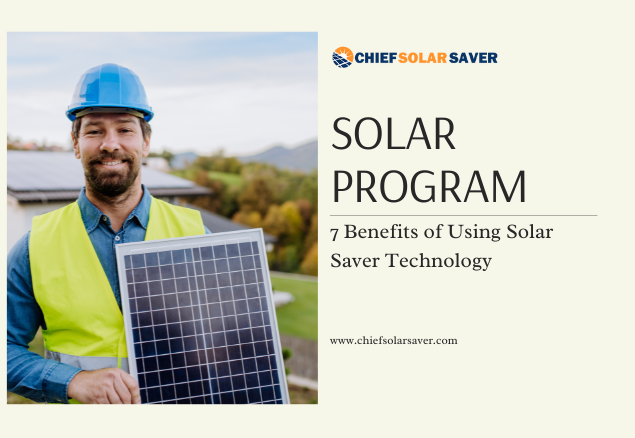
7 Benefits of Using Solar Saver Technology

As the world pivots towards sustainable energy solutions, solar power has emerged as a front-runner. Among the various technologies in this domain, Solar Saver Technology stands out for its efficiency, affordability, and eco-friendliness. This article delves into the seven key benefits of adopting Solar Saver Technology for both residential and commercial applications.

1. Cost Savings

One of the most compelling reasons to switch to Solar Saver Technology is the significant reduction in electricity bills. By harnessing solar energy, users can generate their own power, decreasing their reliance on grid electricity. Over time, this translates to substantial cost savings, making it a smart financial investment.

2. Environmental Impact

Solar Saver Technology contributes to a cleaner, greener planet. By using renewable energy from the sun, it reduces the dependency on fossil fuels, which are major contributors to air pollution and greenhouse gas emissions. This shift not only helps mitigate climate change but also promotes environmental sustainability.

3. Energy Independence

With Solar Saver Technology, individuals and businesses can achieve greater energy independence. By generating their own electricity, they are less susceptible to energy price fluctuations and supply disruptions. This independence ensures a more stable and predictable energy future.

4. Low Maintenance Costs

Solar Saver Technology systems are known for their durability and low maintenance requirements. Most systems come with long-term warranties and require minimal upkeep, mainly periodic cleaning and inspections. This low maintenance cost adds to the overall affordability and convenience of solar energy.

5. Increased Property Value

Investing in Solar Saver Technology can increase the value of a property. Homes and commercial buildings equipped with solar panels are seen as modern and environmentally conscious, appealing to potential buyers and tenants. This increase in property value can provide a significant return on investment.

6. Job Creation and Economic Growth

The adoption of Solar Saver Technology fosters job creation and supports economic growth. The solar industry creates jobs in manufacturing, installation, maintenance, and research and development. These job opportunities contribute to the local economy and promote sustainable development.

7. Technological Advancements and Innovation

Solar Saver Technology is at the forefront of technological innovation. Continuous advancements in solar technology lead to more efficient and cost-effective solutions. By embracing these innovations, users can benefit from improved performance and new features that enhance the overall value of solar energy systems.

Conclusion

Solar Saver Technology offers a multitude of benefits that make it an attractive option for anyone looking to embrace renewable energy. From cost savings and environmental impact to increased property value and job creation, the advantages are clear. By investing in Solar Saver Technology, users can enjoy a sustainable, efficient, and forward-thinking energy solution.

Categories
Solar Program

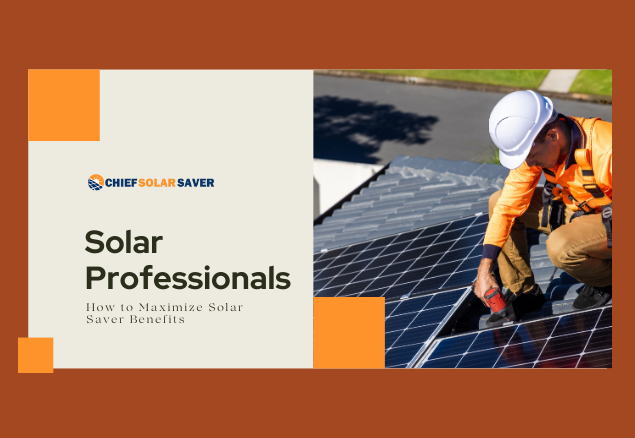
How to Maximize Solar Saver Benefits

Solar energy is an increasingly popular choice for homeowners and businesses looking to reduce energy costs and their environmental footprint. To fully capitalize on the benefits of solar power, strategic planning and informed decision-making are essential. Here’s a guide on how to maximize solar saver benefits.

1. Assess Your Energy Needs

  • Conduct an Energy Audit: Evaluate your current energy consumption to determine the size and capacity of the solar system you need.
  • Peak Energy Usage: Identify the times when your energy usage is highest to plan for adequate solar energy production during these periods.

2. Choose the Right Solar System

  • System Size: Ensure that the system size matches your energy needs. Oversizing can lead to unnecessary costs, while undersizing can limit savings.
  • Quality of Panels: Invest in high-efficiency solar panels that have a longer lifespan and better performance.
  • Inverters: Choose quality inverters as they convert the solar energy into usable electricity and play a crucial role in system efficiency.

3. Optimize System Placement

  • Orientation and Tilt: Install panels in a location with maximum sun exposure. The optimal tilt and orientation vary based on geographic location.
  • Avoid Shading: Ensure that trees, buildings, or other structures do not shade the panels throughout the day.

4. Utilize Incentives and Rebates

  • Government Incentives: Take advantage of federal, state, and local incentives, such as tax credits, rebates, and grants, to reduce the initial cost.
  • Net Metering: Use net metering programs that allow you to sell excess energy back to the grid, providing additional savings.

5. Implement Energy Storage Solutions

  • Battery Storage: Invest in battery storage systems to store excess energy generated during the day for use at night or during cloudy periods.
  • Energy Management Systems: Use smart energy management systems to optimize the use of stored energy and reduce reliance on the grid.

6. Regular Maintenance and Monitoring

  • Routine Inspections: Perform regular maintenance and cleaning of solar panels to ensure they operate at peak efficiency.
  • Monitoring Systems: Install monitoring systems to track the performance and identify any issues early on.

7. Energy Efficiency Measures

  • Reduce Consumption: Implement energy-efficient practices and appliances to lower overall consumption, maximizing the impact of your solar system.
  • Smart Devices: Use smart thermostats, LED lighting, and energy-efficient appliances to further reduce energy usage.

8. Financial Planning

  • Financing Options: Explore various financing options such as loans, leases, and power purchase agreements (PPAs) to make solar more affordable.
  • Cost-Benefit Analysis: Conduct a thorough cost-benefit analysis to understand the payback period and long-term savings.

9. Stay Informed

  • Industry Trends: Stay updated on new technologies and industry trends that can enhance the efficiency and benefits of your solar system.
  • Policy Changes: Keep an eye on policy changes that may affect solar incentives and regulations.

Conclusion

Maximizing the benefits of solar energy involves careful planning, strategic investment, and ongoing maintenance. By assessing your energy needs, choosing the right system, optimizing placement, and taking advantage of incentives, you can significantly reduce your energy costs and contribute to a more sustainable future.

Implementing these strategies will ensure that you get the most out of your solar investment, making it a financially and environmentally sound decision.

Categories
Solar Program

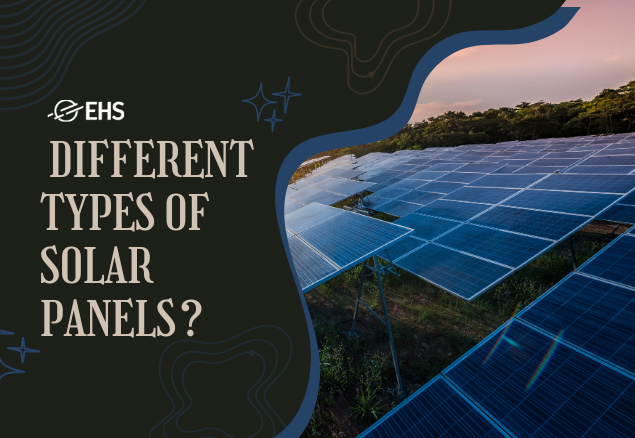
What are the Different Types of Solar Panels?

Solar energy is a popular and effective renewable energy source, and various types of solar panels are available to meet different energy needs and applications. Here, we’ll delve into the main types of solar panels, their advantages, disadvantages, and typical uses.

1. Monocrystalline Solar Panels

Description:

Monocrystalline solar panels are made from single-crystal silicon, giving them a uniform appearance. The silicon is grown into a single crystal, which is then sliced into wafers to form the cells.

Advantages:

  • High Efficiency: Typically, they offer efficiencies between 15-20%.
  • Space-Efficient: Higher efficiency means they require less space to produce the same amount of power.
  • Long Lifespan: Often come with a 25-year warranty.

Disadvantages:

  • Cost: They are more expensive to manufacture than other types.
  • Performance in Shaded Conditions: Performance drops significantly if any part of the panel is shaded.

Uses:

  • Ideal for residential rooftops and small spaces due to their high efficiency.

2. Polycrystalline Solar Panels

Description:

Polycrystalline, or multicrystalline, panels are made from silicon crystals that are melted together. These panels have a speckled blue appearance.

Advantages:

  • Lower Cost: Generally less expensive to produce than monocrystalline panels.
  • Good Efficiency: Typically, they offer efficiencies between 13-16%.

Disadvantages:

  • Lower Efficiency: They are less efficient than monocrystalline panels.
  • More Space Required: Need more space to produce the same amount of power.

Uses:

  • Suitable for larger installations where space is less of a constraint, such as commercial buildings or solar farms.

3. Thin-Film Solar Panels

Description:

Thin-film panels are made by depositing one or more layers of photovoltaic material onto a substrate. The most common types include amorphous silicon (a-Si), cadmium telluride (CdTe), and copper indium gallium selenide (CIGS).

Advantages:

  • Flexibility: Can be made flexible, allowing for more versatile applications.
  • Low-Light Performance: Perform better in low-light conditions and high temperatures.
  • Aesthetics: Can be made semi-transparent and come in various colors, making them suitable for building-integrated photovoltaics (BIPV).

Disadvantages:

  • Lower Efficiency: Generally have lower efficiencies, around 10-12%.
  • Shorter Lifespan: Tend to degrade faster than crystalline silicon panels.

Uses:

  • Ideal for large-scale installations, BIPV, and applications where flexibility is a key requirement.

4. Bifacial Solar Panels

Description:

Bifacial solar panels can capture sunlight from both sides. They are typically made from monocrystalline or polycrystalline silicon and are designed to take advantage of reflected light.

Advantages:

  • Increased Energy Yield: Can produce more electricity compared to traditional panels by capturing sunlight from both sides.
  • Durability: Often have a more robust design.

Disadvantages:

  • Higher Cost: More expensive than traditional single-sided panels.
  • Installation Complexity: Require specific installation setups to maximize reflected light capture.

Uses:

  • Suitable for ground-mounted installations, solar farms, and locations with high reflectivity surfaces such as snow-covered or sandy areas.

5. Concentrated PV Cell (CPV)

Description:

CPV systems use lenses or mirrors to concentrate sunlight onto a small but highly efficient solar cell.

Advantages:

  • High Efficiency: Can achieve efficiencies above 40% under ideal conditions.
  • Space-Efficient: High efficiency reduces the space needed for installation.

Disadvantages:

  • Cost: Very expensive compared to other types of solar panels.
  • Complexity: Requires precise alignment and tracking systems to focus sunlight accurately.

Uses:

  • Suitable for solar power plants in areas with high direct sunlight and minimal cloud cover.

Conclusion

Choosing the right type of solar panel depends on several factors, including budget, space availability, efficiency requirements, and specific application needs. Monocrystalline panels are best for high-efficiency residential installations, polycrystalline panels offer a cost-effective solution for larger spaces, thin-film panels provide versatility, bifacial panels maximize energy yield with innovative designs, and CPV systems are suited for specialized, high-efficiency projects. Each type has its unique advantages and is suited to different applications, ensuring that solar energy can be harnessed effectively in various scenarios.

Categories
Health Insurance

5 Essential Advantages of Health Insurance

Health insurance plays a critical role in providing financial security and access to quality healthcare. Here are five key benefits of having health insurance:

1. Financial Protection

Health insurance offers a safety net against high medical costs. Without insurance, a major illness or injury can result in substantial out-of-pocket expenses, potentially leading to financial hardship or even bankruptcy. Health insurance helps cover the cost of hospital stays, surgeries, medications, and other medical services, ensuring that individuals are not overwhelmed by unexpected medical bills.

Example:

  • Coverage of Major Expenses: Health insurance can cover significant portions of the cost for major surgeries, hospitalizations, and chronic disease management, reducing the financial burden on individuals and families.

2. Access to Quality Care

Health insurance often provides access to a network of healthcare providers, including doctors, specialists, and hospitals. This network ensures that insured individuals receive timely and appropriate care. Additionally, insurance plans often cover preventive services, such as vaccinations, screenings, and regular check-ups, which are crucial for maintaining good health and detecting issues early.

Example:

  • Preventive Services: Health insurance plans typically cover preventive care services, such as annual physical exams, immunizations, and screenings, which can detect health problems early and improve long-term outcomes.

3. Peace of Mind

Knowing that you have health insurance can provide peace of mind. It eliminates the constant worry about how to afford medical care in case of illness or injury. This security allows individuals to focus on their health and well-being without the added stress of potential financial strain.

Example:

  • Reduced Anxiety: With health insurance, individuals and families can rest assured that they have access to necessary medical care and financial protection, reducing stress and anxiety related to healthcare costs.

4. Encourages Regular and Timely Care

Health insurance encourages individuals to seek medical care when needed, rather than delaying treatment due to cost concerns. Early and regular medical attention can prevent minor issues from becoming serious health problems, leading to better health outcomes and lower healthcare costs in the long run.

Example:

  • Timely Interventions: Insured individuals are more likely to visit doctors for routine check-ups and address health concerns promptly, leading to early diagnosis and more effective treatment.

5. Coverage for a Range of Services

Modern health insurance plans offer coverage for a wide range of medical services beyond basic hospital and doctor visits. This can include prescription medications, mental health services, maternity and newborn care, rehabilitation, and more. Comprehensive coverage ensures that individuals have access to a full spectrum of healthcare services.

Example:

  • Mental Health Services: Health insurance plans often cover mental health care, including therapy and counseling, which is essential for overall well-being and can significantly improve quality of life.

Conclusion

Having health insurance is essential for protecting yourself and your family from the high costs of medical care. It provides financial protection, access to quality care, peace of mind, encourages timely medical attention, and covers a broad range of services. Investing in health insurance is a proactive step towards ensuring long-term health and financial stability.

Categories
Bathroom Remodel Home Improvement Walk In Shower

Budget-Friendly Bath and Shower Remodel: A How-to Guide

Remodeling a bathroom, particularly the bath and shower area, can transform the space and increase the value of your home. However, it doesn’t have to break the bank. Here is a step-by-step guide to achieving a budget-friendly bath and shower remodel.

1. Plan and Budget

Define Your Goals

  • Determine what you want to achieve with the remodel. Are you looking for a complete overhaul or simple updates to improve functionality and aesthetics?

Set a Budget

  • Decide how much you are willing to spend. Include a buffer for unexpected expenses, typically 10-20% of the total budget.

Prioritize

  • List the changes you want to make and prioritize them based on necessity and impact. This will help you focus on the most critical aspects of the remodel.

2. DIY vs. Professional Help

Assess Your Skills

  • Determine which tasks you can handle yourself and which require professional assistance. DIY can save money on labor costs, but some jobs, such as plumbing and electrical work, are best left to professionals.

Hire Professionals for Critical Tasks

  • For tasks that require specialized skills, get multiple quotes from licensed contractors to ensure you get the best value for your money.

3. Cost-Effective Materials and Fixtures

Choose Affordable Materials

  • Look for budget-friendly materials that mimic the look of high-end finishes. For example, consider laminate or vinyl flooring instead of natural stone, and acrylic or fiberglass for the shower instead of tiles.

Shop Smart

  • Visit discount stores, online marketplaces, and clearance sections for deals on fixtures and materials. Reuse or repurpose existing fixtures if possible.

Focus on Essentials

  • Invest in quality essentials like a good showerhead and faucet, which can enhance the overall experience without significant expense.

4. Bath and Shower Updates

Refurbish Instead of Replace

  • If your existing bathtub and shower are in good condition, consider refinishing or reglazing them to give a fresh look at a fraction of the cost of replacement.

Install a Pre-Fabricated Shower Kit

  • Pre-fabricated shower kits are an affordable and easy-to-install option compared to custom-built showers. They come in various styles and sizes to fit most bathrooms.

Update Fixtures and Hardware

  • Swapping out old fixtures and hardware (e.g., showerheads, faucets, towel bars) with modern, budget-friendly options can make a big difference in the bathroom’s appearance.

5. Cosmetic Enhancements

Paint

  • A fresh coat of paint can drastically improve the look of your bathroom. Choose moisture-resistant paint for durability.

Update Lighting

  • Good lighting can enhance the ambiance of your bathroom. Replace old fixtures with energy-efficient LED lights, and consider adding task lighting around the mirror.

Add Accessories

  • New shower curtains, bath mats, and towels are inexpensive ways to update the look of your bathroom. Choose colors and patterns that complement your new design.

6. Finishing Touches

Seal and Caulk

  • Ensure all seams and joints in your shower and bath area are properly sealed to prevent water damage. Use a good quality caulk to ensure longevity.

Clean and Declutter

  • A thorough cleaning and decluttering can make your bathroom look new and inviting. Remove any unnecessary items and organize your essentials.

Conclusion

A budget-friendly bath and shower remodel is achievable with careful planning, smart shopping, and a bit of DIY effort. By prioritizing your goals, choosing cost-effective materials, and focusing on essential updates, you can transform your bathroom into a beautiful and functional space without overspending.

Categories
Auto Insurance

15 Ways to Lower Your Car Insurance Premium

Lowering your car insurance premium can result in significant savings over time. Here are 15 effective strategies to help you reduce your car insurance costs:

1. Shop Around for the Best Rates

Different insurance companies offer varying rates for the same coverage. Compare quotes from multiple insurers to find the best deal.

2. Bundle Insurance Policies

Many insurers offer discounts if you bundle multiple policies, such as home and auto insurance, with the same provider.

3. Maintain a Good Credit Score

A higher credit score often translates to lower insurance premiums, as insurers consider it an indicator of risk.

4. Increase Your Deductible

Raising your deductible can lower your monthly premium. Just ensure you can afford the higher out-of-pocket expense in case of a claim.

5. Drive Less

Some insurers offer discounts for low-mileage drivers. If you drive less, you may qualify for a lower rate.

6. Take Advantage of Discounts

Look for various discounts such as those for good students, military personnel, or members of certain organizations.

7. Install Safety Features

Vehicles equipped with safety features like anti-theft devices, airbags, and anti-lock brakes often qualify for discounts.

8. Complete a Defensive Driving Course

Many insurers offer discounts to drivers who complete approved defensive driving courses.

9. Maintain a Clean Driving Record

A history of safe driving without accidents or traffic violations can result in lower premiums.

10. Consider Usage-Based Insurance

Usage-based insurance programs, which monitor your driving habits, can offer lower rates for safe driving.

11. Review Your Coverage Annually

Regularly reviewing your policy to ensure it meets your current needs can help eliminate unnecessary coverage and reduce costs.

12. Reduce Coverage on Older Cars

If you drive an older vehicle, consider dropping collision and comprehensive coverage if the car’s value doesn’t justify the cost.

13. Limit Claims

Frequent claims can increase your premium. Consider paying out of pocket for minor repairs to keep your claims history clean.

14. Ask About Group Insurance

Some employers and professional organizations offer group insurance rates that are often lower than individual rates.

15. Relocate to a Safer Area

If feasible, moving to an area with lower crime rates or fewer accidents can reduce your insurance costs.

By implementing these strategies, you can effectively lower your car insurance premium while maintaining the coverage you need.

Categories
Personal Finance

6 Steps to Pay Off Your Loan Faster

Paying off a loan ahead of schedule can save you money on interest and provide financial freedom. Whether you have student loans, a mortgage, or personal debt, these six strategies can help you achieve your goal of becoming debt-free more quickly.

1. Make Bi-Weekly Payments

Instead of making monthly payments, switch to a bi-weekly payment schedule. This means you’ll make half of your monthly payment every two weeks. Since there are 52 weeks in a year, this method results in 26 half-payments, or 13 full monthly payments, rather than 12. This extra payment each year can significantly reduce your loan principal and the interest paid over time.

2. Round Up Your Payments

Rounding up your payments to the nearest $50 or $100 can accelerate your loan payoff. For instance, if your monthly payment is $450, consider rounding it up to $500. The additional amount goes directly towards reducing the principal, which helps in lowering the overall interest and shortening the loan term.

3. Make Extra Payments When Possible

Whenever you have extra funds—such as a tax refund, bonus, or any unexpected windfall—apply them towards your loan. Even small additional payments can make a big difference over time. Ensure your lender applies these payments to the principal rather than the interest.

4. Refinance Your Loan

Refinancing can help you secure a lower interest rate or a shorter loan term, both of which can help you pay off your loan faster. Compare offers from different lenders to find the best rates and terms. Be aware of any fees associated with refinancing and ensure the savings outweigh these costs.

5. Cut Expenses and Increase Income

Review your budget to identify areas where you can cut back on expenses. Redirect the savings towards your loan payments. Additionally, consider ways to increase your income, such as taking on a part-time job or freelancing. Use the extra earnings to make additional payments on your loan.

6. Automate Your Payments

Set up automatic payments to ensure you never miss a due date. Many lenders offer interest rate reductions for enrolling in autopay. Consistently making on-time payments can also improve your credit score, potentially qualifying you for better loan terms in the future.

Conclusion

Paying off your loan faster requires discipline and strategic planning. By implementing these six steps—making bi-weekly payments, rounding up payments, making extra payments, refinancing, cutting expenses, and automating payments—you can reduce your debt more quickly and enjoy financial freedom sooner. Always consult with your lender to understand how additional payments are applied and to ensure these strategies align with your loan terms.

Categories
Personal Finance

The Best Way to Shop for a Loan

When it comes to securing a loan, whether it’s for a home, car, or personal needs, finding the best terms and interest rates is crucial. Shopping for a loan can be a complex process, but by following these steps, you can ensure you get the best deal possible.

1. Understand Your Credit Score

Your credit score is a significant factor that lenders consider when offering loan terms. Obtain a copy of your credit report and score from the major credit bureaus. If your score is lower than desired, take steps to improve it before applying for a loan. Paying off existing debts, correcting any errors on your report, and reducing your credit utilization ratio can help boost your score.

2. Determine Your Loan Needs and Budget

Before you start shopping, clearly define the amount you need to borrow and your budget for repayments. Consider how much you can comfortably afford to pay each month without stretching your finances too thin. This will help you avoid over-borrowing and ensure you select a loan with manageable terms.

3. Research Different Lenders

There are various types of lenders, including banks, credit unions, online lenders, and peer-to-peer lenders. Each type of lender may offer different loan products, interest rates, and terms. Researching and comparing these options can help you find the most competitive rates and the best fit for your financial situation.

4. Compare Interest Rates and Terms

Interest rates can vary significantly between lenders. Request quotes from multiple lenders and compare their interest rates, loan terms, and any additional fees. Look at both fixed and variable rate options and consider the long-term costs associated with each. Use online loan comparison tools to streamline this process.

5. Check for Hidden Fees

Be aware of any hidden fees that can increase the cost of your loan. These may include origination fees, application fees, prepayment penalties, and late payment fees. Ensure you understand all potential costs before signing any loan agreement.

6. Read the Fine Print

Thoroughly review the loan agreement before committing. Ensure you understand the terms and conditions, including the repayment schedule, interest rate, and any fees. If anything is unclear, ask the lender for clarification. It’s important to be fully informed to avoid any surprises later.

7. Get Pre-Approved

Getting pre-approved for a loan can give you a better idea of what you can afford and the terms you may qualify for. Pre-approval involves a soft credit check, which won’t affect your credit score, and provides you with a conditional commitment from the lender. This step can also give you leverage when negotiating loan terms.

8. Negotiate

Don’t hesitate to negotiate the terms of your loan. Lenders may be willing to offer better rates or reduce fees to win your business, especially if you have a strong credit history and are comparing offers from multiple lenders. Use your pre-approval offers as a bargaining tool.

Conclusion

Shopping for a loan requires careful research and consideration. By understanding your credit score, defining your loan needs, researching and comparing lenders, checking for hidden fees, reading the fine print, getting pre-approved, and negotiating terms, you can secure a loan that best fits your financial situation and goals. Taking the time to shop around can save you money and provide peace of mind.

Categories
Solar Program

7 Ways to Finance Your Solar Power System

Investing in a solar power system can be a smart financial decision, offering long-term savings and environmental benefits. However, the upfront cost can be a barrier for many. Fortunately, there are several financing options available to make solar power more accessible. Here are seven effective ways to finance your solar power system.

1. Cash Purchase

Paying for your solar power system in full upfront is the simplest method. While it requires significant initial capital, it allows you to own the system outright, maximizing your long-term savings. This option eliminates any interest payments and qualifies you for any available tax credits and rebates.

2. Solar Loans

Solar loans are specifically designed to finance solar energy systems. These loans can be secured or unsecured and often come with competitive interest rates. Monthly payments are typically offset by the savings on your energy bills. Solar loans allow you to own the system and benefit from tax incentives.

3. Home Equity Loans and Lines of Credit (HELOC)

Using a home equity loan or a home equity line of credit (HELOC) can be a cost-effective way to finance your solar power system. These options often have lower interest rates compared to other types of loans because they are secured by your home. You can also benefit from tax deductions on the interest paid, depending on your location and specific tax laws.

4. Solar Leases

With a solar lease, a third-party company owns and maintains the solar power system, and you pay a fixed monthly lease payment. This option requires little to no upfront cost and typically includes maintenance and repairs. However, you won’t be eligible for tax credits, and long-term savings might be less compared to owning the system.

5. Power Purchase Agreements (PPAs)

A Power Purchase Agreement (PPA) is similar to a lease but instead of paying a fixed lease payment, you pay for the electricity generated by the system at a predetermined rate. This rate is usually lower than your utility’s rate, leading to immediate savings. Like a lease, the third-party company owns and maintains the system.

6. Government and State Incentives

Many governments and states offer grants, rebates, and low-interest loan programs to encourage the adoption of solar energy. Research the incentives available in your area, as they can significantly reduce the cost of your solar power system. Websites such as the Database of State Incentives for Renewables & Efficiency (DSIRE) provide comprehensive information on available incentives.

7. Crowdfunding and Community Solar Programs

Crowdfunding platforms and community solar programs are emerging as innovative ways to finance solar power. Crowdfunding allows you to raise funds from a large number of people who support your project. Community solar programs enable you to buy or lease a portion of a larger solar project and receive credits on your electricity bill for the power generated.

Conclusion

Financing your solar power system is a crucial step towards energy independence and sustainability. By exploring options like cash purchases, solar loans, home equity loans, leases, PPAs, government incentives, and innovative crowdfunding methods, you can find a solution that fits your financial situation and helps you enjoy the benefits of solar energy. Always compare the terms and conditions of each option and consider consulting a financial advisor to determine the best approach for your needs.