Introduction
Auto insurance is an essential part of responsible vehicle ownership. It provides financial protection against unexpected accidents, vehicle damage, and other road-related risks. One of the most important components of an auto insurance policy is liability coverage. Liability coverage protects drivers financially when they are legally responsible for causing an accident that results in bodily injuries or property damage to another person. Without adequate liability coverage, a driver may face significant financial difficulties, legal expenses, and personal liability claims.
What Is Liability Coverage?
Liability coverage is a type of auto insurance that pays for damages and injuries caused to other people in an accident for which the insured driver is legally responsible. Unlike collision coverage, which pays for damage to the policyholder’s own vehicle, liability insurance focuses on protecting other parties affected by the accident.
Generally, liability coverage is divided into two main categories:
1. Bodily Injury Liability Coverage
Bodily injury liability coverage pays for medical expenses, hospital bills, rehabilitation costs, and other injury-related expenses resulting from an accident caused by the insured driver. Depending on the policy and applicable law, it may also cover compensation for lost wages, pain and suffering, and legal defense costs.
2. Property Damage Liability Coverage
Property damage liability coverage pays for damage caused to another person’s property in an accident. This may include damage to vehicles, buildings, fences, street signs, and other property. It helps the insured driver avoid paying substantial repair or replacement costs out of pocket.
Why Is Liability Coverage Important?
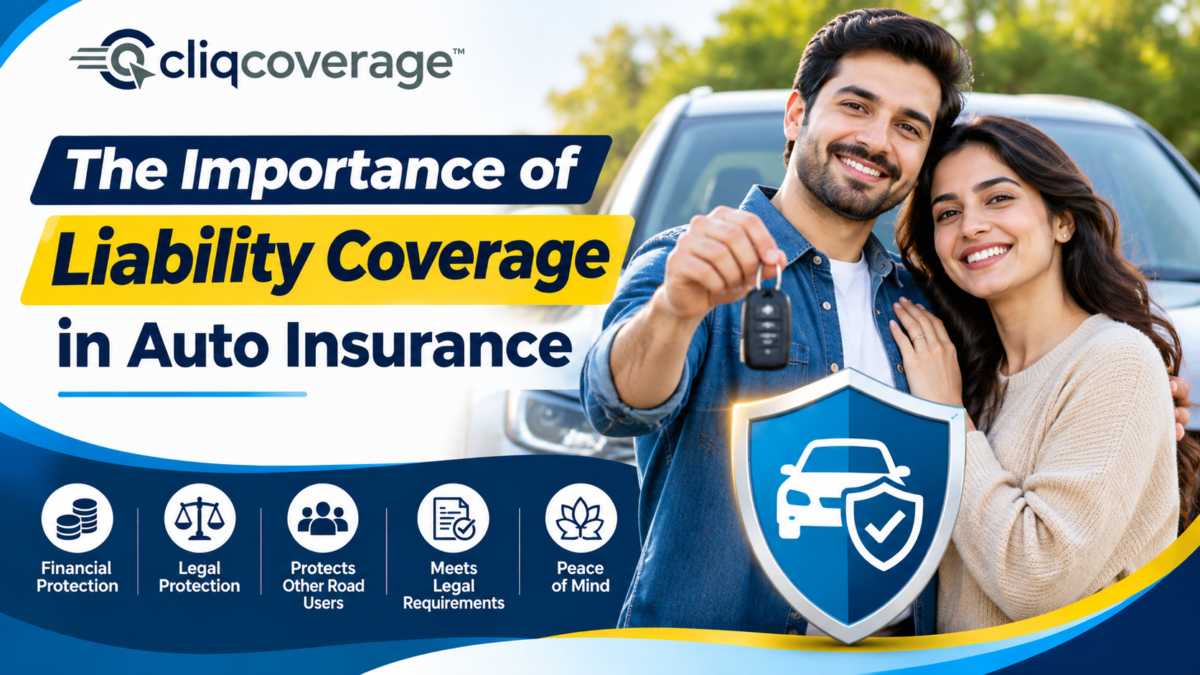
1. Financial Protection
One of the primary benefits of liability coverage is financial security. Car accidents can result in expensive medical treatments, vehicle repairs, and legal claims. If a driver is responsible for an accident, these costs can become a major financial burden. Liability insurance helps cover eligible expenses up to the policy limits.
2. Protection Against Legal Claims
When an accident causes injuries or property damage, the affected individuals may file legal claims against the responsible driver. Liability coverage can help pay for legal defense expenses and covered settlements or judgments, subject to the policy terms. This protection reduces the financial stress associated with legal disputes.
3. Protection for Other Road Users
Liability insurance promotes responsibility toward other drivers, passengers, pedestrians, and property owners. It ensures that individuals who suffer losses because of another driver’s negligence have a potential source of compensation for their covered damages.
4. Compliance with Legal Requirements
In many countries and regions, drivers are legally required to maintain a minimum level of liability insurance before operating a vehicle. Driving without the required insurance can result in fines, penalties, license suspension, or other legal consequences. Maintaining appropriate coverage helps drivers comply with applicable insurance laws.
5. Peace of Mind
Driving always involves some level of risk. Even careful drivers can become involved in unexpected accidents. Liability coverage provides peace of mind by reducing concerns about the financial consequences of accidentally injuring someone or damaging another person’s property.
Understanding Liability Coverage Limits
Liability insurance policies generally include coverage limits that determine the maximum amount an insurer will pay for covered claims. These limits may be divided into:
- Per-person bodily injury limit: The maximum amount payable for injuries to one individual.
- Per-accident bodily injury limit: The maximum amount payable for all bodily injuries resulting from one accident.
- Property damage limit: The maximum amount payable for property damage caused by one accident.
For example, if a driver causes an accident resulting in medical expenses and vehicle damage exceeding the policy limits, the driver may be personally responsible for paying the remaining amount.
Therefore, selecting appropriate liability limits is extremely important. Drivers should consider their financial situation, assets, driving habits, local legal requirements, and potential accident risks when choosing coverage.
Factors to Consider When Choosing Liability Coverage
Before purchasing an auto insurance policy, drivers should carefully evaluate several factors:
- State or Regional Requirements: Understand the minimum liability insurance requirements applicable in your location.
- Financial Situation: Consider how much you could afford to pay if an accident resulted in expenses exceeding your insurance limits.
- Driving Habits: Drivers who travel frequently or drive in congested areas may face greater exposure to accidents.
- Vehicle Usage: Personal, commercial, and business vehicle usage may involve different insurance requirements.
- Policy Exclusions: Review the policy to understand what is covered and what is excluded.
- Insurance Provider: Choose a reputable insurer with clear policy terms, reliable customer service, and an efficient claims process.
What Happens Without Adequate Liability Coverage?
Driving without sufficient liability coverage can create serious financial and legal problems. If an uninsured or underinsured driver causes an accident, they may have to pay medical expenses, property damage, legal fees, and compensation claims personally.
In serious accidents involving multiple injuries or extensive property damage, these expenses can be substantial. Furthermore, drivers who fail to meet legal insurance requirements may face additional penalties depending on local laws.
This is why maintaining adequate liability coverage is not simply an insurance decision; it is an important financial responsibility.
Conclusion
Liability coverage is one of the most essential elements of auto insurance because it protects drivers against the financial consequences of causing bodily injuries or property damage to others. It provides financial assistance for eligible claims, helps manage legal expenses, supports responsible driving, and offers peace of mind.
Every vehicle owner should understand the importance of liability coverage and select limits that provide appropriate financial protection. Although the minimum legally required coverage may satisfy local regulations, higher limits may offer greater protection against unexpected financial losses. Ultimately, having adequate liability insurance is a smart decision that protects both drivers and other road users.