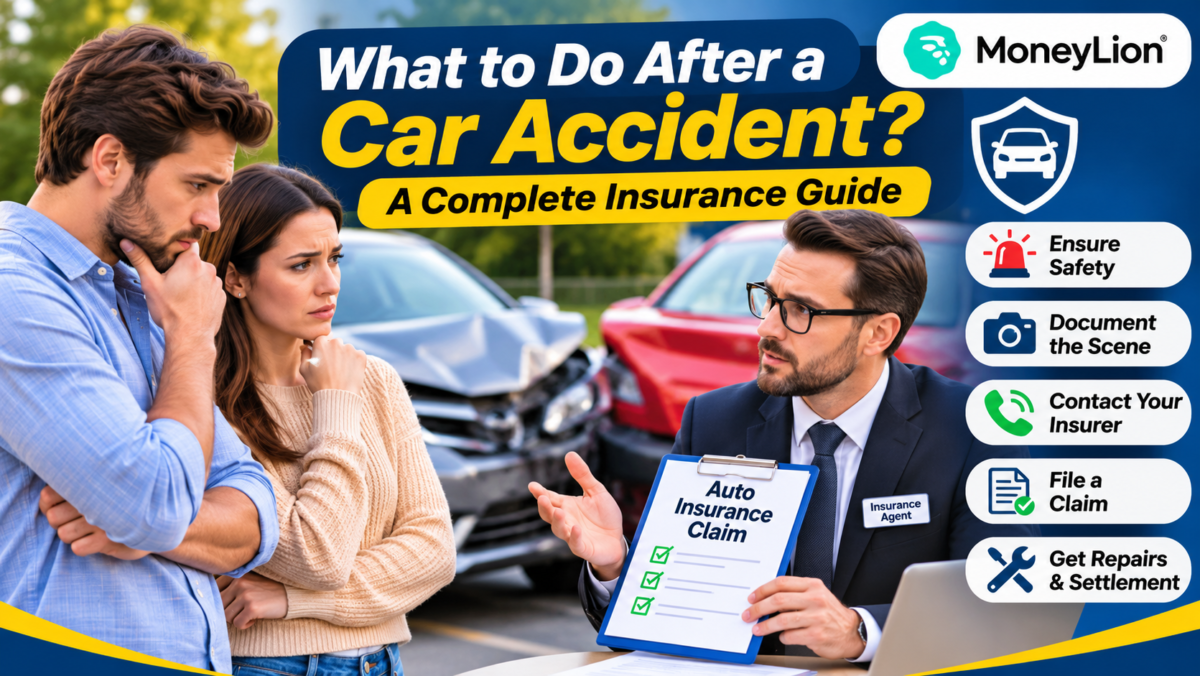
A car accident can happen unexpectedly, leaving drivers confused, stressed, and unsure about what steps to take next. Whether it is a minor collision or a serious accident, knowing how to respond can protect your safety, prevent unnecessary complications, and help you receive the insurance benefits you may be entitled to.
Understanding the right steps after an accident is essential for every vehicle owner. From checking for injuries and documenting the accident scene to contacting your insurance company and filing a claim, each action plays an important role in the recovery process.
This comprehensive guide explains what to do after a car accident and how to navigate the auto insurance claims process effectively.
1. Prioritize Safety and Check for Injuries
Your safety and the safety of others should always come first. Immediately after an accident, check yourself, your passengers, and anyone else involved for injuries.
If someone is seriously injured, contact emergency services immediately. Avoid moving injured individuals unless they are in immediate danger, as unnecessary movement could make their injuries worse.
If possible and safe, move your vehicle away from moving traffic. Turn on your hazard lights and use warning triangles or other safety equipment if available.
Never leave the accident scene without fulfilling your legal responsibilities.
2. Contact the Police and Report the Accident
Depending on the severity of the accident and local legal requirements, you may need to contact the police and file an official accident report.
A police report can provide valuable documentation for your auto insurance claim. It may include information about the drivers involved, vehicle details, witness statements, road conditions, and the officer’s observations.
Even if the accident appears minor, having an official record can help resolve disputes and clarify what happened.
Make sure to obtain the report number and ask how you can access a copy.
3. Exchange Information With Other Drivers
After ensuring everyone’s safety, exchange important information with the other drivers involved.
Collect the following details:
- Full names and contact information.
- Driving license information.
- Vehicle registration numbers.
- Insurance company names and policy details.
- Vehicle make, model, and color.
- Contact information of any witnesses.
Keep the conversation polite and professional. Avoid arguing about who caused the accident or admitting fault at the scene. Stick to factual information and let the insurance companies investigate the circumstances.
4. Document the Accident Scene
Proper documentation can make a significant difference when filing an auto insurance claim.
Use your smartphone to take clear photographs and videos of the accident scene, provided it is safe to do so.
Capture:
- Damage to all vehicles involved.
- Vehicle registration plates.
- Road signs and traffic signals.
- Skid marks and debris.
- The overall accident location.
- Weather and road conditions.
- Any visible injuries, where appropriate and with respect for privacy.
You should also write down the date, time, location, and a brief description of what happened while the details are still fresh in your memory.
This evidence may help your insurance provider assess the damage and investigate the claim.
5. Notify Your Auto Insurance Company
One of the most important steps after an accident is contacting your insurance provider as soon as reasonably possible.
Most insurance policies require policyholders to report accidents within a specified period, even when they do not intend to file a claim.
When contacting your insurer, provide accurate information about the incident, including:
- Date and time of the accident.
- Location of the collision.
- Description of how the accident occurred.
- Information about other drivers.
- Details of injuries and vehicle damage.
- Police report information, if available.
Your insurance company will explain the next steps and inform you about the documents required to process your claim.
6. Understand Your Auto Insurance Coverage
Before filing a claim, it is important to understand what your insurance policy covers. Different types of auto insurance provide different levels of financial protection.
Here are some common types of auto insurance coverage:
Liability Coverage: This generally helps cover bodily injury or property damage you cause to other people in an accident, subject to your policy limits.
Collision Coverage: This helps pay for damage to your own vehicle resulting from a collision, subject to your deductible and policy terms.
Comprehensive Coverage: This generally covers certain non-collision losses, such as theft, vandalism, fire, hail, and falling objects.
Personal Injury Protection (PIP): In jurisdictions where it is available, this coverage may help pay medical expenses and certain other costs following an accident, regardless of fault.
Uninsured or Underinsured Motorist Coverage: This may help protect you if you are involved in an accident with a driver who has no insurance or insufficient insurance, depending on local regulations and policy terms.
Review your policy carefully to understand applicable limits, exclusions, deductibles, and claim requirements.
7. File Your Auto Insurance Claim
Once you have notified your insurance provider, you can begin the formal claims process.
Your insurer may provide an online portal, mobile application, phone support, or a claims representative to assist you.
You may need to submit documents such as:
- Completed insurance claim form.
- Copy of your driving license.
- Vehicle registration documents.
- Insurance policy information.
- Police accident report, where applicable.
- Accident scene photographs.
- Repair estimates and supporting receipts.
- Medical records and bills, if injuries occurred.
Provide complete and accurate information to avoid unnecessary delays.
Keep copies of all submitted documents and maintain a record of conversations with your insurance company.
8. Get Your Vehicle Inspected and Repaired
After receiving your claim, the insurance company may arrange for an adjuster or approved surveyor to inspect your vehicle.
The inspection helps determine the extent of the damage and estimate the cost of repairs.
Depending on your policy, the insurer may recommend an approved repair facility or allow you to choose your own repair shop.
Before authorizing repairs, confirm:
- Whether the repair facility is approved by your insurer.
- Which repairs are covered.
- Whether you must pay a deductible.
- Whether replacement parts are included.
- Whether additional damage discovered during repairs requires approval.
Avoid making major repairs before receiving the necessary authorization from your insurer, unless emergency measures are required to prevent further damage.
9. Understand Deductibles and Claim Settlements
A deductible is the amount you may need to pay toward a covered claim before your insurance company contributes to the remaining eligible expenses.
For example, if your covered repair costs are $3,000 and your deductible is $500, your insurer may pay $2,500, assuming the entire repair cost is covered and no other limits or adjustments apply.
The actual settlement depends on your insurance policy, coverage limits, vehicle valuation, and the circumstances of the accident.
If you believe the settlement amount is incorrect, request a written explanation and provide supporting evidence, such as repair estimates or additional photographs.
10. Seek Medical Attention After the Accident
Not all accident-related injuries are immediately noticeable. Some symptoms, including neck pain, back pain, headaches, and soft-tissue injuries, may develop hours or days after a collision.
Consider getting a medical evaluation even if you initially feel fine, especially after a significant impact.
Keep copies of medical reports, prescriptions, treatment records, and bills. These documents may be important if your policy includes medical expense coverage or if you need to pursue compensation from another responsible party.
Always follow the advice of qualified healthcare professionals.
11. Avoid Common Insurance Claim Mistakes
Certain mistakes can complicate the claims process or create unnecessary delays.
Here are some important mistakes to avoid:
- Leaving the accident scene without fulfilling legal requirements.
- Failing to report the accident promptly.
- Providing inaccurate or incomplete information.
- Admitting fault or making assumptions before the facts are established.
- Forgetting to photograph vehicle damage.
- Ignoring medical symptoms.
- Authorizing major repairs without checking insurance requirements.
- Accepting a settlement without reviewing its terms.
- Failing to keep copies of important documents.
Being organized, honest, and proactive can help make the insurance process smoother.
12. Follow Up on Your Insurance Claim
Submitting a claim does not always mean the process is complete. Stay in contact with your insurance provider and request updates about your claim’s progress.
Ask your claims representative whether additional documents are required and when you can expect a decision.
If your claim is delayed or denied, request a written explanation. Review the reasons carefully and check whether you can submit additional evidence, appeal the decision, or file a complaint with the relevant insurance regulator.
Understanding your rights and responsibilities can help you handle disagreements more effectively.
Final Thoughts
Experiencing a car accident can be overwhelming, but taking the right steps can make the situation much easier to manage. Prioritizing safety, documenting the accident, exchanging information, reporting the incident, and understanding your insurance coverage are all essential parts of the recovery process.
A well-prepared driver knows the importance of keeping insurance documents accessible, understanding policy limitations, and maintaining accurate records.
Ultimately, auto insurance is designed to provide financial protection against unexpected vehicle-related losses. By understanding how the claims process works and avoiding common mistakes, you can protect your interests and move forward with greater confidence after an accident.
Being prepared before an accident happens is one of the best ways to protect yourself, your passengers, and your financial future.