Categories
Personal Finance

8 Essential Documents You Need for VA Loan Qualification

When applying for a VA (Veterans Affairs) loan, gathering the right documentation is critical to ensure a smooth approval process. Designed exclusively for veterans, active-duty service members, and eligible spouses, VA loans offer numerous benefits like no down payment and competitive interest rates. Here’s a list of eight essential documents you’ll need to qualify for a VA loan.


1. Certificate of Eligibility (COE)

The Certificate of Eligibility is the cornerstone of your VA loan application. This document verifies your eligibility for VA benefits based on your military service. You can obtain it through the VA’s eBenefits portal, your lender, or by mail using VA Form 26-1880.


2. Proof of Military Service

Depending on your status, you’ll need one of the following:

  • DD Form 214: For veterans, this document details your service history and discharge status.
  • Statement of Service: Active-duty personnel can obtain this document from their commanding officer or personnel office.

3. Credit Report

Although VA loans are more flexible with credit requirements, lenders still review your credit report to assess financial responsibility. Aim to address any outstanding issues to enhance your creditworthiness.


4. Employment Verification and Income Statements

Stable income is crucial for VA loan approval. You’ll need:

  • Recent pay stubs (if employed).
  • Tax returns and W-2 forms for the past two years.
  • 1099 forms or profit-and-loss statements (for self-employed applicants).

5. Bank Statements

Lenders may require your bank statements to verify sufficient funds for closing costs or any financial reserves needed. Typically, two to three months of recent statements are needed.


6. Debt and Liability Information

Prepare to disclose all outstanding debts, including car loans, credit cards, and other obligations. Lenders use this data to calculate your debt-to-income (DTI) ratio, a crucial factor in loan approval.


7. Property-Related Documents

If you’ve already selected a home, you’ll need:

  • The purchase agreement.
  • A home appraisal (ordered by the lender but necessary for the process).
    This ensures the property meets VA standards and is priced appropriately.

8. VA Loan Counseling Certificate (if applicable)

For some first-time borrowers or those under certain financial circumstances, a VA loan counseling certificate might be required. This ensures applicants fully understand the terms of their loan.


Tips for a Smooth Application Process

  • Stay Organized: Compile these documents early to avoid delays.
  • Work with an Experienced Lender: Choose a VA-approved lender familiar with the documentation requirements.
  • Ask Questions: Don’t hesitate to seek clarity on any document or requirement.

Securing a VA loan is a significant step toward homeownership, and having these documents in order will streamline the process. With proper preparation and guidance, you can make your VA loan journey seamless and successful.

Categories
Auto Insurance

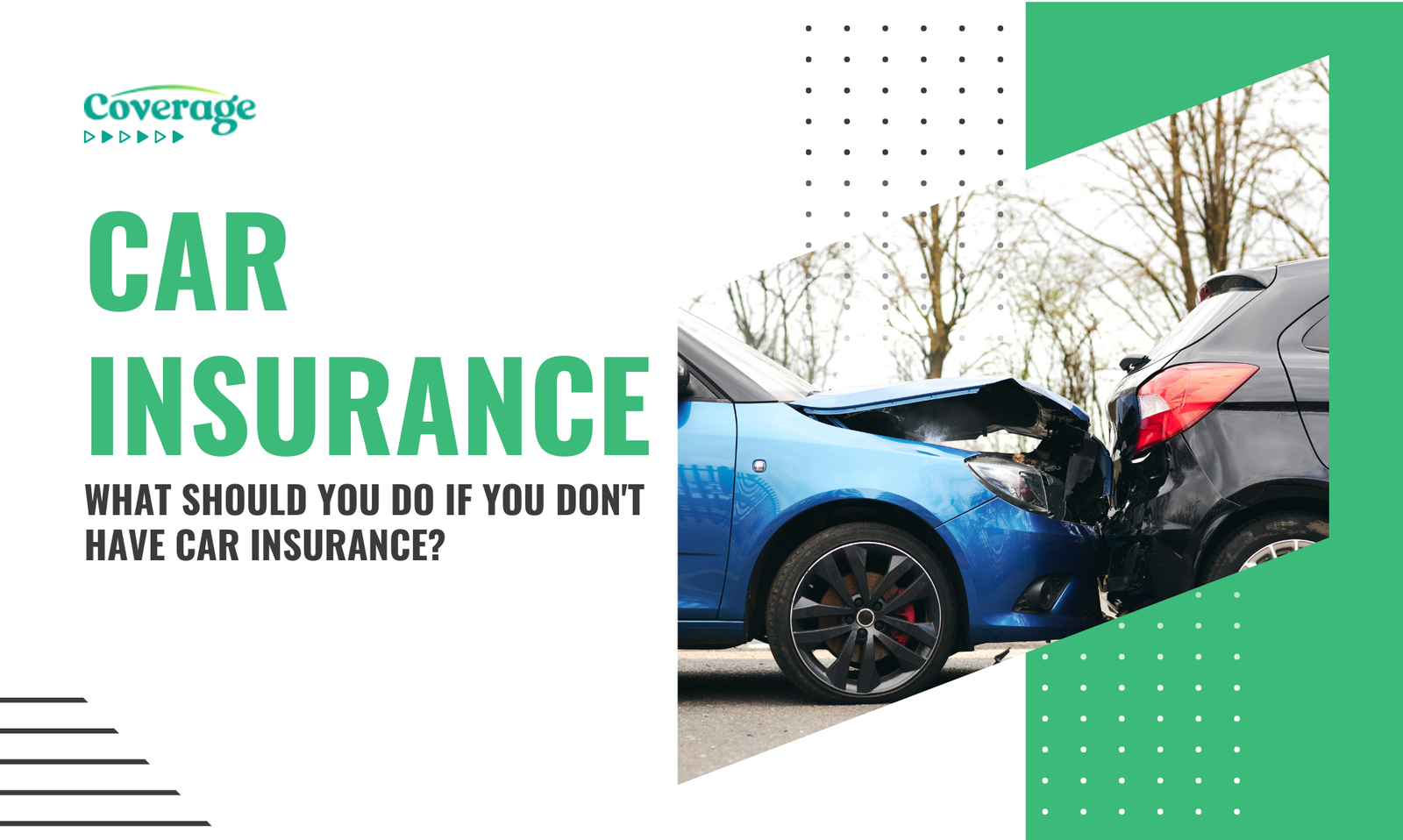
What Should You Do If You Don’t Have Car Insurance?

Car insurance is not just a legal requirement in most countries; it also provides crucial financial protection in the event of an accident, theft, or damage to your vehicle. Driving without car insurance can lead to significant consequences, including fines, penalties, and even the loss of your driver’s license. If you find yourself without car insurance, here’s what you should do to mitigate risks and ensure you’re complying with legal requirements.

1. Understand the Legal Implications

Before you drive without car insurance, it’s important to understand the legal ramifications in your area. Many countries and states require drivers to carry a minimum level of insurance coverage. Failure to comply with these laws can result in fines, the suspension of your driver’s license, and even legal action. In some places, driving without insurance may be considered a criminal offense, with severe consequences.

2. Obtain Insurance as Soon as Possible

If you’re caught driving without insurance, the best course of action is to immediately get coverage. Car insurance policies are available with varying levels of coverage, ranging from liability-only policies to comprehensive plans. It’s advisable to choose a policy that suits your budget and offers sufficient protection for your needs. If you’re unsure about which policy to choose, consult an insurance agent or broker to guide you through the process.

3. Consider Minimum Coverage Policies

If your budget is tight, opt for the minimum coverage required by law in your area. While basic liability coverage may not offer full protection in every scenario, it is better than driving uninsured. The minimum coverage will usually cover damages to other vehicles or injuries caused by an accident for which you are found at fault. However, this type of policy might not cover your vehicle’s repairs or medical bills, so consider additional coverage if possible.

4. Check for Gaps in Existing Coverage

In some cases, you may not need to purchase new insurance if you’re temporarily without coverage. For example, if you recently allowed your policy to lapse or forgot to renew, check with your insurer to see if they can reinstate your policy. Additionally, if you have other types of coverage (such as homeowner’s insurance or health insurance), they may help cover certain aspects of a car accident, though they won’t fully replace car insurance.

5. Explore Temporary Insurance Options

If you’re unable to afford long-term insurance or only need coverage for a short period, look into temporary or short-term car insurance options. These policies are designed for drivers who need coverage for a few days, weeks, or months. Short-term car insurance can be more affordable than a traditional policy and will provide the necessary coverage while you work toward getting a more permanent solution.

6. Avoid Driving Until You Have Insurance

If you are unable to secure car insurance or cannot afford it, it’s best to avoid driving altogether. Driving without insurance not only exposes you to financial risk, but it can also lead to legal issues. If you’re caught driving uninsured, you may face significant penalties, which can include having to pay fines, impounding of your vehicle, and increased insurance premiums in the future.

7. Consider Alternative Transportation

If you are temporarily without car insurance and cannot afford a new policy right away, consider using alternative modes of transportation until you’re able to resolve your situation. Public transportation, ridesharing services, or even carpooling with friends and family can help you get around while avoiding the risks associated with driving uninsured.

8. Seek Financial Assistance or Discounts

Some insurers offer discounts to drivers with a clean driving record or those who take defensive driving courses. If your situation is financially challenging, inquire with insurance companies about potential discounts, payment plans, or low-income options. You may also be eligible for assistance programs through your employer, community organizations, or government initiatives.

9. Know Your Rights if You Are Involved in an Accident

If you are involved in an accident while uninsured, you may still be responsible for the damages caused. However, in some cases, if the other driver is at fault and has insurance, you might be able to recover some of the costs through their policy. Without insurance, though, you could be held liable for medical expenses, repair costs, and even legal fees.

10. Take Preventative Measures to Avoid Future Gaps

To avoid future lapses in coverage, set reminders for policy renewal dates and keep track of your insurance payments. Some insurers even offer automatic payment plans, which can help ensure you don’t miss a renewal date. Additionally, if you’re experiencing financial difficulties, discuss your situation with your insurer, as they may offer flexibility or suggest more affordable options.


Conclusion

Driving without car insurance is risky and can have serious legal and financial consequences. If you find yourself in this situation, it’s crucial to act quickly by obtaining the necessary coverage to protect yourself and others. Whether it’s reinstating an existing policy, securing minimum coverage, or exploring temporary insurance options, taking action is the first step toward ensuring you comply with the law and are safeguarded in the event of an accident.

Categories
Solar Program

Discovering the Ease of Finding Solar Providers

As the world embraces renewable energy, solar power has become a leading solution for reducing carbon footprints and cutting electricity costs. Finding the right solar provider is a crucial step in transitioning to solar energy, and with today’s tools and resources, the process is easier than ever. Here’s how you can streamline your search and discover the ideal solar provider for your needs.

1. Understand Your Solar Goals

  • Energy Needs: Assess how much electricity your household or business consumes. Reviewing past utility bills can help estimate the system size required.
  • Budget: Determine your financial constraints, whether you plan to purchase a system outright, lease it, or opt for a solar loan.
  • Sustainability Goals: Consider the environmental impact you want to achieve, such as reducing emissions or aiming for energy independence.

2. Leverage Online Tools

Modern technology simplifies the search for solar providers:

  • Solar Marketplaces: Platforms like EnergySage and Solar.com allow you to compare multiple providers based on cost, services, and reviews.
  • Calculator Tools: Many providers offer online calculators to estimate system size, savings, and costs based on your location and energy usage.

3. Evaluate Provider Offerings

Compare providers on these essential criteria:

  • Reputation: Look for established companies with strong customer reviews and industry certifications, such as NABCEP (North American Board of Certified Energy Practitioners).
  • Services: Ensure the provider offers end-to-end solutions, including consultation, design, installation, and maintenance.
  • Warranties: Check for comprehensive warranties covering equipment and installation.
  • Financing Options: Look for flexible financing plans like loans, leases, or Power Purchase Agreements (PPAs).

4. Schedule Consultations

Most solar companies offer free consultations to assess your property and provide tailored solutions. Use this opportunity to:

  • Discuss system designs and placement options.
  • Clarify timelines for installation and permitting.
  • Ask about incentives, tax credits, and rebates you may qualify for.

5. Consider Local Providers

While national companies offer consistency and resources, local providers often have a better understanding of regional regulations, climate conditions, and utility requirements. Research both options to determine the best fit.

6. Research Incentives and Policies

Government incentives, such as the Federal Solar Investment Tax Credit (ITC) in the U.S., can significantly reduce upfront costs. Check for additional state or local rebates and net metering policies that allow you to earn credits for excess energy production.

7. Compare Quotes

Don’t settle for the first quote you receive. Comparing multiple proposals ensures you get the best value for your investment. Look beyond price to evaluate quality, system efficiency, and provider expertise.

8. Read Contracts Carefully

Before committing, review the contract details, including:

  • Installation timelines.
  • Maintenance and repair responsibilities.
  • Terms for warranties and performance guarantees.

9. Monitor and Maintain Your System

After installation, track your system’s performance to ensure it meets expectations. Many providers offer monitoring tools and maintenance plans to keep your system running efficiently.

Transitioning to solar energy is an investment in both your finances and the planet. With the right approach and resources, finding a reliable solar provider is a straightforward process. Start your journey today and take a step towards a sustainable future.

Categories
Auto Insurance

Why Personalized Coverage Matters in Auto Insurance

Auto insurance is not a one-size-fits-all solution. Every driver has unique needs, driving habits, and financial considerations that demand tailored coverage. Personalized auto insurance coverage ensures that policyholders receive the protection they need without paying for unnecessary extras. Here are the key reasons why personalized coverage is crucial:

1. Addresses Individual Needs

No two drivers are alike. Factors such as the type of vehicle, driving frequency, and geographical location significantly influence the kind of coverage a driver requires. Personalized policies account for these variables, offering protection that aligns with individual circumstances.

2. Cost-Effectiveness

Standardized policies often include blanket coverage, leading to higher premiums for features that may not be relevant. A personalized approach eliminates redundant coverage, allowing drivers to pay only for what they need, thus saving money.

3. Enhanced Financial Security

Custom coverage ensures adequate protection against potential risks specific to the driver. For instance, someone who commutes long distances daily might prioritize collision coverage, while an occasional driver might focus on liability insurance. This tailored approach minimizes financial vulnerability in the event of an accident.

4. Incorporates Lifestyle Changes

Life is dynamic, and so are insurance needs. Personalized coverage allows policyholders to adjust their policies as circumstances change, such as moving to a new city, purchasing a new car, or adding a young driver to the policy.

5. Promotes Customer Satisfaction

Insurance providers that offer personalized coverage demonstrate an understanding of their clients’ unique requirements. This builds trust and fosters long-term relationships, as customers feel valued and cared for.

6. Encourages Responsible Driving

Many personalized policies incorporate usage-based insurance (UBI) options, where premiums are determined by driving behavior. Safe driving habits can lead to lower premiums, incentivizing responsible behavior on the road.

Conclusion

Personalized coverage in auto insurance is more than just a trend; it’s a necessity in today’s diverse driving landscape. By addressing specific needs, enhancing financial security, and adapting to lifestyle changes, tailored policies provide superior value and peace of mind. For drivers seeking optimal protection without overpaying, personalized coverage is the smart choice.