Categories
Bathroom Remodel Home Improvement

Budget-Friendly Bathroom Renovation Ideas

Renovating your bathroom can be an exciting project, but it doesn’t have to break the bank. With some creativity and careful planning, you can transform your bathroom into a stylish and functional space without spending a fortune. Here are some budget-friendly bathroom renovation ideas to get you started.

1. Plan and Prioritize

Why It Matters: A well-thought-out plan ensures you stay within your budget and focus on the most important aspects of your renovation.

How to Implement:

  • Assess your bathroom’s current condition and identify what needs updating.
  • Make a list of must-haves versus nice-to-haves.
  • Allocate your budget to prioritize the essential updates first.

2. Refresh Instead of Replace

Why It Matters: Refreshing existing fixtures and surfaces is often more cost-effective than replacing them.

How to Implement:

  • Refinish your bathtub or sink instead of buying new ones.
  • Paint or reface your cabinets rather than replacing them.
  • Use tile stickers or refinishing kits to give old tiles a new look.

3. Update Hardware and Fixtures

Why It Matters: Small changes can have a big impact on the overall look of your bathroom.

How to Implement:

  • Replace outdated faucets, showerheads, and cabinet handles with modern alternatives.
  • Consider swapping out old light fixtures for new, energy-efficient options.
  • Look for sales or discounts on hardware and fixtures to save even more.

4. Incorporate DIY Projects

Why It Matters: Doing some of the work yourself can significantly cut down on labor costs.

How to Implement:

  • Paint the walls or install a new backsplash yourself.
  • Create custom shelving or storage solutions using affordable materials.
  • Install peel-and-stick tiles or vinyl flooring, which are easy to work with and budget-friendly.

5. Opt for Cost-Effective Materials

Why It Matters: Choosing affordable materials can reduce your renovation costs while still achieving a high-end look.

How to Implement:

  • Use laminate or vinyl flooring that mimics the look of wood or tile.
  • Select ceramic or porcelain tiles instead of expensive natural stone.
  • Consider prefab countertops or vanities that offer style at a lower price point.

6. Repurpose and Recycle

Why It Matters: Repurposing existing items or using recycled materials is both budget-friendly and environmentally sustainable.

How to Implement:

  • Repurpose furniture pieces like dressers or tables into vanities.
  • Use reclaimed wood for shelving or accent walls.
  • Shop at salvage yards or thrift stores for unique and affordable fixtures.

7. Enhance Storage Solutions

Why It Matters: Improving storage can make your bathroom more functional and organized without requiring major renovations.

How to Implement:

  • Add shelves, baskets, or over-the-toilet storage units.
  • Install hooks or towel racks to maximize wall space.
  • Use drawer organizers or caddies to keep toiletries and accessories neatly stored.

8. Add Decorative Touches

Why It Matters: Inexpensive decorative elements can elevate your bathroom’s aesthetic without a major investment.

How to Implement:

  • Incorporate plants, artwork, or decorative mirrors.
  • Use colorful towels, rugs, and shower curtains to add personality.
  • Add a fresh coat of paint or use removable wallpaper for a quick update.

Conclusion

Renovating your bathroom on a budget is entirely possible with some strategic planning and creative thinking. By prioritizing essential updates, incorporating DIY projects, and choosing cost-effective materials, you can achieve a beautiful and functional bathroom without overspending.


Categories
Personal Finance

6 Steps to Pay Off Your Loan Faster

Paying off a loan ahead of schedule can save you significant amounts in interest and free you from financial obligations sooner. Whether it’s a mortgage, student loan, or personal loan, these six strategic steps can help you achieve your goal.

1. Create a Budget and Stick to It

Why It Matters: A well-structured budget helps you track your income and expenses, ensuring you have a clear picture of where your money is going. By identifying and cutting unnecessary expenditures, you can allocate more funds toward your loan payments.

How to Implement:

  • List all sources of income and all monthly expenses.
  • Categorize expenses into essentials (rent, utilities, groceries) and non-essentials (eating out, entertainment).
  • Identify areas where you can cut back and redirect those savings towards your loan payments.

2. Make Biweekly Payments Instead of Monthly

Why It Matters: Making biweekly payments instead of monthly can reduce the overall interest paid and shorten the loan term. This strategy effectively makes one extra payment each year.

How to Implement:

  • Divide your monthly payment by two and pay that amount every two weeks.
  • Ensure your lender credits these payments as they come in, rather than holding them until the end of the month.

3. Increase Your Monthly Payments

Why It Matters: Paying more than the minimum monthly payment reduces the principal faster, which in turn decreases the amount of interest you pay over time.

How to Implement:

  • Round up your monthly payment to the nearest hundred.
  • Allocate extra funds from bonuses, tax refunds, or pay raises to your loan payments.

4. Apply Lump Sum Payments When Possible

Why It Matters: Applying lump sums directly to the principal balance can significantly shorten your loan term and reduce the amount of interest paid.

How to Implement:

  • Use windfalls such as bonuses, tax refunds, or monetary gifts to make additional payments.
  • Ensure these payments are applied to the principal to maximize their impact.

5. Refinance Your Loan

Why It Matters: Refinancing can offer a lower interest rate, reducing your monthly payments and the total interest paid over the life of the loan. It can also provide an opportunity to shorten the loan term.

How to Implement:

  • Shop around for refinancing options with better terms.
  • Consider both the interest rate and any fees associated with refinancing.
  • Calculate the break-even point to ensure refinancing makes financial sense.

6. Avoid Taking on New Debt

Why It Matters: Taking on new debt while trying to pay off an existing loan can counteract your efforts and extend the repayment period.

How to Implement:

  • Resist the temptation to use credit cards or take out new loans.
  • Focus on living within your means and prioritize debt repayment.
  • Build an emergency fund to avoid relying on credit in case of unexpected expenses.

Conclusion

Paying off your loan faster requires discipline, strategic planning, and a commitment to making extra payments whenever possible. By following these six steps, you can reduce your debt more quickly, save on interest, and achieve financial freedom sooner.

Categories
Solar Program

Top 10 Benefits of Solar Energy for Professionals

Solar energy has emerged as a powerful and sustainable solution in the quest for renewable energy sources. For professionals in various industries, understanding the benefits of solar energy is crucial for making informed decisions. Here, we explore the top 10 benefits of solar energy for professionals.

1. Cost Savings

Reduction in Energy Bills: One of the most significant benefits of solar energy is the potential for substantial cost savings. By harnessing solar power, businesses can reduce their reliance on traditional energy sources, leading to lower electricity bills. This is particularly advantageous for energy-intensive industries.

2. Environmental Impact

Sustainability and Reduced Carbon Footprint: Solar energy is a clean, renewable resource that produces no greenhouse gas emissions during operation. For professionals focused on corporate social responsibility and sustainability, investing in solar power aligns with environmental goals and enhances a company’s green credentials.

3. Energy Independence

Reduced Reliance on Fossil Fuels: Solar energy provides a pathway to energy independence. By generating their own electricity, businesses can reduce dependence on fossil fuels and mitigate the risks associated with energy price volatility and supply disruptions.

4. Government Incentives

Tax Credits and Subsidies: Governments around the world offer various incentives to encourage the adoption of solar energy. These include tax credits, rebates, and subsidies, which can significantly offset the initial investment costs and improve the return on investment for businesses.

5. Technological Advancements

Innovations and Efficiency Improvements: The solar industry has seen remarkable technological advancements in recent years. Improved solar panel efficiency, energy storage solutions, and smart grid technologies enhance the reliability and effectiveness of solar energy systems, making them more attractive to professionals.

6. Energy Reliability

Consistent and Predictable Energy Supply: Solar energy systems provide a reliable source of power, especially in regions with high solar irradiance. For businesses that require a consistent and predictable energy supply, solar power can be a dependable solution, reducing the risk of power outages.

7. Long-Term Investment

Durability and Low Maintenance Costs: Solar panels have a long lifespan, typically ranging from 25 to 30 years, and require minimal maintenance. This long-term reliability makes solar energy a sound investment, offering steady returns over time.

8. Brand Image and Marketability

Enhancing Corporate Reputation: Embracing solar energy can enhance a company’s brand image and marketability. Businesses that prioritize sustainability and environmental responsibility are often viewed more favorably by customers, investors, and stakeholders.

9. Energy Security

Mitigating Energy Risks: Solar energy can help businesses mitigate energy security risks associated with geopolitical tensions and fossil fuel supply disruptions. By diversifying their energy sources, companies can ensure a more stable and secure energy future.

10. Job Creation and Economic Growth

Supporting Local Economies: The solar industry creates jobs in manufacturing, installation, maintenance, and research and development. By investing in solar energy, professionals contribute to economic growth and job creation in their communities.

Conclusion

For professionals across various sectors, the benefits of solar energy extend beyond environmental considerations. From cost savings and energy independence to technological advancements and improved brand image, solar energy offers a myriad of advantages. As the global focus on sustainability intensifies, embracing solar energy can position businesses for long-term success and resilience.

Categories
Solar Program

7 Ways to Finance Your Solar Power System

Investing in a solar power system can be a smart financial decision, offering long-term savings and environmental benefits. However, the upfront cost can be a barrier for many. Fortunately, there are several financing options available to make solar power more accessible. Here are seven effective ways to finance your solar power system.

1. Cash Purchase

Paying for your solar power system in full upfront is the simplest method. While it requires significant initial capital, it allows you to own the system outright, maximizing your long-term savings. This option eliminates any interest payments and qualifies you for any available tax credits and rebates.

2. Solar Loans

Solar loans are specifically designed to finance solar energy systems. These loans can be secured or unsecured and often come with competitive interest rates. Monthly payments are typically offset by the savings on your energy bills. Solar loans allow you to own the system and benefit from tax incentives.

3. Home Equity Loans and Lines of Credit (HELOC)

Using a home equity loan or a home equity line of credit (HELOC) can be a cost-effective way to finance your solar power system. These options often have lower interest rates compared to other types of loans because they are secured by your home. You can also benefit from tax deductions on the interest paid, depending on your location and specific tax laws.

4. Solar Leases

With a solar lease, a third-party company owns and maintains the solar power system, and you pay a fixed monthly lease payment. This option requires little to no upfront cost and typically includes maintenance and repairs. However, you won’t be eligible for tax credits, and long-term savings might be less compared to owning the system.

5. Power Purchase Agreements (PPAs)

A Power Purchase Agreement (PPA) is similar to a lease but instead of paying a fixed lease payment, you pay for the electricity generated by the system at a predetermined rate. This rate is usually lower than your utility’s rate, leading to immediate savings. Like a lease, the third-party company owns and maintains the system.

6. Government and State Incentives

Many governments and states offer grants, rebates, and low-interest loan programs to encourage the adoption of solar energy. Research the incentives available in your area, as they can significantly reduce the cost of your solar power system. Websites such as the Database of State Incentives for Renewables & Efficiency (DSIRE) provide comprehensive information on available incentives.

7. Crowdfunding and Community Solar Programs

Crowdfunding platforms and community solar programs are emerging as innovative ways to finance solar power. Crowdfunding allows you to raise funds from a large number of people who support your project. Community solar programs enable you to buy or lease a portion of a larger solar project and receive credits on your electricity bill for the power generated.

Conclusion

Financing your solar power system is a crucial step towards energy independence and sustainability. By exploring options like cash purchases, solar loans, home equity loans, leases, PPAs, government incentives, and innovative crowdfunding methods, you can find a solution that fits your financial situation and helps you enjoy the benefits of solar energy. Always compare the terms and conditions of each option and consider consulting a financial advisor to determine the best approach for your needs.

Categories
Personal Finance

The Best Way to Shop for a Loan

When it comes to securing a loan, whether it’s for a home, car, or personal needs, finding the best terms and interest rates is crucial. Shopping for a loan can be a complex process, but by following these steps, you can ensure you get the best deal possible.

1. Understand Your Credit Score

Your credit score is a significant factor that lenders consider when offering loan terms. Obtain a copy of your credit report and score from the major credit bureaus. If your score is lower than desired, take steps to improve it before applying for a loan. Paying off existing debts, correcting any errors on your report, and reducing your credit utilization ratio can help boost your score.

2. Determine Your Loan Needs and Budget

Before you start shopping, clearly define the amount you need to borrow and your budget for repayments. Consider how much you can comfortably afford to pay each month without stretching your finances too thin. This will help you avoid over-borrowing and ensure you select a loan with manageable terms.

3. Research Different Lenders

There are various types of lenders, including banks, credit unions, online lenders, and peer-to-peer lenders. Each type of lender may offer different loan products, interest rates, and terms. Researching and comparing these options can help you find the most competitive rates and the best fit for your financial situation.

4. Compare Interest Rates and Terms

Interest rates can vary significantly between lenders. Request quotes from multiple lenders and compare their interest rates, loan terms, and any additional fees. Look at both fixed and variable rate options and consider the long-term costs associated with each. Use online loan comparison tools to streamline this process.

5. Check for Hidden Fees

Be aware of any hidden fees that can increase the cost of your loan. These may include origination fees, application fees, prepayment penalties, and late payment fees. Ensure you understand all potential costs before signing any loan agreement.

6. Read the Fine Print

Thoroughly review the loan agreement before committing. Ensure you understand the terms and conditions, including the repayment schedule, interest rate, and any fees. If anything is unclear, ask the lender for clarification. It’s important to be fully informed to avoid any surprises later.

7. Get Pre-Approved

Getting pre-approved for a loan can give you a better idea of what you can afford and the terms you may qualify for. Pre-approval involves a soft credit check, which won’t affect your credit score, and provides you with a conditional commitment from the lender. This step can also give you leverage when negotiating loan terms.

8. Negotiate

Don’t hesitate to negotiate the terms of your loan. Lenders may be willing to offer better rates or reduce fees to win your business, especially if you have a strong credit history and are comparing offers from multiple lenders. Use your pre-approval offers as a bargaining tool.

Conclusion

Shopping for a loan requires careful research and consideration. By understanding your credit score, defining your loan needs, researching and comparing lenders, checking for hidden fees, reading the fine print, getting pre-approved, and negotiating terms, you can secure a loan that best fits your financial situation and goals. Taking the time to shop around can save you money and provide peace of mind.

Categories
Personal Finance

6 Steps to Pay Off Your Loan Faster

Paying off a loan ahead of schedule can save you money on interest and provide financial freedom. Whether you have student loans, a mortgage, or personal debt, these six strategies can help you achieve your goal of becoming debt-free more quickly.

1. Make Bi-Weekly Payments

Instead of making monthly payments, switch to a bi-weekly payment schedule. This means you’ll make half of your monthly payment every two weeks. Since there are 52 weeks in a year, this method results in 26 half-payments, or 13 full monthly payments, rather than 12. This extra payment each year can significantly reduce your loan principal and the interest paid over time.

2. Round Up Your Payments

Rounding up your payments to the nearest $50 or $100 can accelerate your loan payoff. For instance, if your monthly payment is $450, consider rounding it up to $500. The additional amount goes directly towards reducing the principal, which helps in lowering the overall interest and shortening the loan term.

3. Make Extra Payments When Possible

Whenever you have extra funds—such as a tax refund, bonus, or any unexpected windfall—apply them towards your loan. Even small additional payments can make a big difference over time. Ensure your lender applies these payments to the principal rather than the interest.

4. Refinance Your Loan

Refinancing can help you secure a lower interest rate or a shorter loan term, both of which can help you pay off your loan faster. Compare offers from different lenders to find the best rates and terms. Be aware of any fees associated with refinancing and ensure the savings outweigh these costs.

5. Cut Expenses and Increase Income

Review your budget to identify areas where you can cut back on expenses. Redirect the savings towards your loan payments. Additionally, consider ways to increase your income, such as taking on a part-time job or freelancing. Use the extra earnings to make additional payments on your loan.

6. Automate Your Payments

Set up automatic payments to ensure you never miss a due date. Many lenders offer interest rate reductions for enrolling in autopay. Consistently making on-time payments can also improve your credit score, potentially qualifying you for better loan terms in the future.

Conclusion

Paying off your loan faster requires discipline and strategic planning. By implementing these six steps—making bi-weekly payments, rounding up payments, making extra payments, refinancing, cutting expenses, and automating payments—you can reduce your debt more quickly and enjoy financial freedom sooner. Always consult with your lender to understand how additional payments are applied and to ensure these strategies align with your loan terms.

Categories
Auto Insurance

15 Ways to Lower Your Car Insurance Premium

Lowering your car insurance premium can result in significant savings over time. Here are 15 effective strategies to help you reduce your car insurance costs:

1. Shop Around for the Best Rates

Different insurance companies offer varying rates for the same coverage. Compare quotes from multiple insurers to find the best deal.

2. Bundle Insurance Policies

Many insurers offer discounts if you bundle multiple policies, such as home and auto insurance, with the same provider.

3. Maintain a Good Credit Score

A higher credit score often translates to lower insurance premiums, as insurers consider it an indicator of risk.

4. Increase Your Deductible

Raising your deductible can lower your monthly premium. Just ensure you can afford the higher out-of-pocket expense in case of a claim.

5. Drive Less

Some insurers offer discounts for low-mileage drivers. If you drive less, you may qualify for a lower rate.

6. Take Advantage of Discounts

Look for various discounts such as those for good students, military personnel, or members of certain organizations.

7. Install Safety Features

Vehicles equipped with safety features like anti-theft devices, airbags, and anti-lock brakes often qualify for discounts.

8. Complete a Defensive Driving Course

Many insurers offer discounts to drivers who complete approved defensive driving courses.

9. Maintain a Clean Driving Record

A history of safe driving without accidents or traffic violations can result in lower premiums.

10. Consider Usage-Based Insurance

Usage-based insurance programs, which monitor your driving habits, can offer lower rates for safe driving.

11. Review Your Coverage Annually

Regularly reviewing your policy to ensure it meets your current needs can help eliminate unnecessary coverage and reduce costs.

12. Reduce Coverage on Older Cars

If you drive an older vehicle, consider dropping collision and comprehensive coverage if the car’s value doesn’t justify the cost.

13. Limit Claims

Frequent claims can increase your premium. Consider paying out of pocket for minor repairs to keep your claims history clean.

14. Ask About Group Insurance

Some employers and professional organizations offer group insurance rates that are often lower than individual rates.

15. Relocate to a Safer Area

If feasible, moving to an area with lower crime rates or fewer accidents can reduce your insurance costs.

By implementing these strategies, you can effectively lower your car insurance premium while maintaining the coverage you need.

Categories
Bathroom Remodel Home Improvement Walk In Shower

Budget-Friendly Bath and Shower Remodel: A How-to Guide

Remodeling a bathroom, particularly the bath and shower area, can transform the space and increase the value of your home. However, it doesn’t have to break the bank. Here is a step-by-step guide to achieving a budget-friendly bath and shower remodel.

1. Plan and Budget

Define Your Goals

  • Determine what you want to achieve with the remodel. Are you looking for a complete overhaul or simple updates to improve functionality and aesthetics?

Set a Budget

  • Decide how much you are willing to spend. Include a buffer for unexpected expenses, typically 10-20% of the total budget.

Prioritize

  • List the changes you want to make and prioritize them based on necessity and impact. This will help you focus on the most critical aspects of the remodel.

2. DIY vs. Professional Help

Assess Your Skills

  • Determine which tasks you can handle yourself and which require professional assistance. DIY can save money on labor costs, but some jobs, such as plumbing and electrical work, are best left to professionals.

Hire Professionals for Critical Tasks

  • For tasks that require specialized skills, get multiple quotes from licensed contractors to ensure you get the best value for your money.

3. Cost-Effective Materials and Fixtures

Choose Affordable Materials

  • Look for budget-friendly materials that mimic the look of high-end finishes. For example, consider laminate or vinyl flooring instead of natural stone, and acrylic or fiberglass for the shower instead of tiles.

Shop Smart

  • Visit discount stores, online marketplaces, and clearance sections for deals on fixtures and materials. Reuse or repurpose existing fixtures if possible.

Focus on Essentials

  • Invest in quality essentials like a good showerhead and faucet, which can enhance the overall experience without significant expense.

4. Bath and Shower Updates

Refurbish Instead of Replace

  • If your existing bathtub and shower are in good condition, consider refinishing or reglazing them to give a fresh look at a fraction of the cost of replacement.

Install a Pre-Fabricated Shower Kit

  • Pre-fabricated shower kits are an affordable and easy-to-install option compared to custom-built showers. They come in various styles and sizes to fit most bathrooms.

Update Fixtures and Hardware

  • Swapping out old fixtures and hardware (e.g., showerheads, faucets, towel bars) with modern, budget-friendly options can make a big difference in the bathroom’s appearance.

5. Cosmetic Enhancements

Paint

  • A fresh coat of paint can drastically improve the look of your bathroom. Choose moisture-resistant paint for durability.

Update Lighting

  • Good lighting can enhance the ambiance of your bathroom. Replace old fixtures with energy-efficient LED lights, and consider adding task lighting around the mirror.

Add Accessories

  • New shower curtains, bath mats, and towels are inexpensive ways to update the look of your bathroom. Choose colors and patterns that complement your new design.

6. Finishing Touches

Seal and Caulk

  • Ensure all seams and joints in your shower and bath area are properly sealed to prevent water damage. Use a good quality caulk to ensure longevity.

Clean and Declutter

  • A thorough cleaning and decluttering can make your bathroom look new and inviting. Remove any unnecessary items and organize your essentials.

Conclusion

A budget-friendly bath and shower remodel is achievable with careful planning, smart shopping, and a bit of DIY effort. By prioritizing your goals, choosing cost-effective materials, and focusing on essential updates, you can transform your bathroom into a beautiful and functional space without overspending.

Categories
Health Insurance

5 Essential Advantages of Health Insurance

Health insurance plays a critical role in providing financial security and access to quality healthcare. Here are five key benefits of having health insurance:

1. Financial Protection

Health insurance offers a safety net against high medical costs. Without insurance, a major illness or injury can result in substantial out-of-pocket expenses, potentially leading to financial hardship or even bankruptcy. Health insurance helps cover the cost of hospital stays, surgeries, medications, and other medical services, ensuring that individuals are not overwhelmed by unexpected medical bills.

Example:

  • Coverage of Major Expenses: Health insurance can cover significant portions of the cost for major surgeries, hospitalizations, and chronic disease management, reducing the financial burden on individuals and families.

2. Access to Quality Care

Health insurance often provides access to a network of healthcare providers, including doctors, specialists, and hospitals. This network ensures that insured individuals receive timely and appropriate care. Additionally, insurance plans often cover preventive services, such as vaccinations, screenings, and regular check-ups, which are crucial for maintaining good health and detecting issues early.

Example:

  • Preventive Services: Health insurance plans typically cover preventive care services, such as annual physical exams, immunizations, and screenings, which can detect health problems early and improve long-term outcomes.

3. Peace of Mind

Knowing that you have health insurance can provide peace of mind. It eliminates the constant worry about how to afford medical care in case of illness or injury. This security allows individuals to focus on their health and well-being without the added stress of potential financial strain.

Example:

  • Reduced Anxiety: With health insurance, individuals and families can rest assured that they have access to necessary medical care and financial protection, reducing stress and anxiety related to healthcare costs.

4. Encourages Regular and Timely Care

Health insurance encourages individuals to seek medical care when needed, rather than delaying treatment due to cost concerns. Early and regular medical attention can prevent minor issues from becoming serious health problems, leading to better health outcomes and lower healthcare costs in the long run.

Example:

  • Timely Interventions: Insured individuals are more likely to visit doctors for routine check-ups and address health concerns promptly, leading to early diagnosis and more effective treatment.

5. Coverage for a Range of Services

Modern health insurance plans offer coverage for a wide range of medical services beyond basic hospital and doctor visits. This can include prescription medications, mental health services, maternity and newborn care, rehabilitation, and more. Comprehensive coverage ensures that individuals have access to a full spectrum of healthcare services.

Example:

  • Mental Health Services: Health insurance plans often cover mental health care, including therapy and counseling, which is essential for overall well-being and can significantly improve quality of life.

Conclusion

Having health insurance is essential for protecting yourself and your family from the high costs of medical care. It provides financial protection, access to quality care, peace of mind, encourages timely medical attention, and covers a broad range of services. Investing in health insurance is a proactive step towards ensuring long-term health and financial stability.

Categories
Solar Program

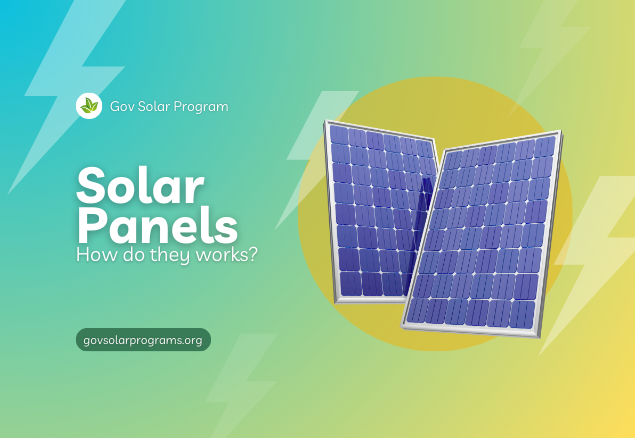
How Solar Panels Work

Solar panels, also known as photovoltaic (PV) panels, convert sunlight into electricity. This process involves several key components and steps:

1. Photovoltaic Cells

Solar panels are composed of many photovoltaic cells, which are the primary units responsible for converting sunlight into electricity. Each cell is made of semiconductor materials, typically silicon.

2. Absorption of Sunlight

When sunlight hits the photovoltaic cells, it is absorbed by the semiconductor material. The energy from the sunlight excites electrons in the semiconductor, causing them to break free from their atoms.

3. Creation of Electric Field

Photovoltaic cells are designed with electric fields that force the freed electrons to move in a specific direction. This movement of electrons creates an electric current.

4. Formation of Electrical Circuit

Conductive metal plates on the sides of the photovoltaic cells collect the electrons and transfer them to wires. Through these wires, the electrons flow, generating direct current (DC) electricity.

5. Conversion to Usable Power

Since most homes and businesses use alternating current (AC) electricity, the DC electricity generated by the solar panels needs to be converted. This conversion is done by a device called an inverter, which transforms DC into AC electricity.

6. Powering Devices and Grid Integration

The AC electricity can then be used to power electrical devices. Any excess electricity generated by the solar panels can be fed back into the power grid, often resulting in credits or payments from utility companies under net metering agreements.

Key Components of a Solar Panel System

Efficiency and Limitations

Solar panel efficiency depends on several factors, including the quality of the photovoltaic cells, the angle and orientation of the panels, and the amount of sunlight received. Typical efficiency rates for commercial solar panels range from 15% to 22%. Factors such as shading, dust, and temperature can affect the efficiency of solar panels.

Advances in Solar Technology

Recent advances in solar technology aim to increase efficiency and reduce costs. Innovations include the development of more efficient semiconductor materials, bifacial panels that can capture sunlight on both sides, and integrated solar roofing materials that blend seamlessly with traditional roofing.

Environmental and Economic Benefits

Solar panels offer significant environmental benefits by reducing reliance on fossil fuels and decreasing greenhouse gas emissions. Economically, they can reduce electricity bills and, over time, provide a return on investment through energy savings and incentives.

Conclusion

Solar panels represent a sustainable and increasingly efficient means of generating electricity. As technology continues to advance, solar energy is becoming a more viable and attractive option for both residential and commercial applications.